A New Generation, A Familiar Haunting
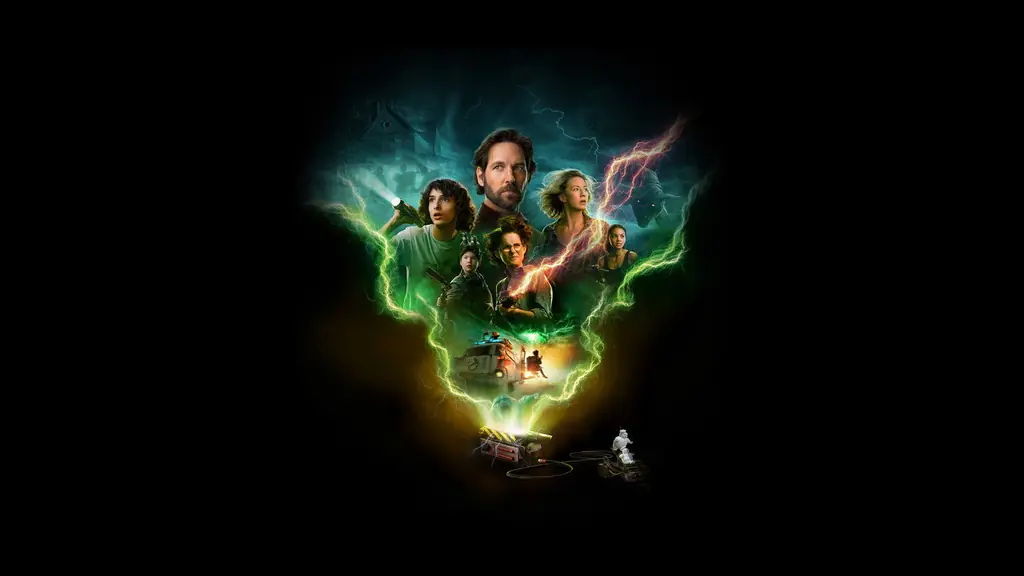
The anticipation for Ghostbusters: Afterlife was palpable, promising a return to the beloved franchise with a fresh, youthful perspective. Directed by Jason Reitman, son of original director Ivan Reitman, the film introduces us to a new family inheriting a mysterious legacy in a small, unassuming town. The premise sets up a compelling family drama intertwined with supernatural thrills, as a single mother, Callie (Carrie Coon), and her children, Phoebe (Mckenna Grace) and Trevor (Finn Wolfhard), relocate to a dilapidated farm left by their estranged grandfather. Soon, seismic activity and strange occurrences hint at a much larger, spectral threat, forcing the kids to uncover their family's secret past and embrace their destiny as the next generation of Ghostbusters.
The Heart of the Hunt: Leads and Laughter
From the outset, Mckenna Grace shines as Phoebe, the nerdy, science-loving outcast who carries much of the film's emotional weight and narrative drive. Her performance is nothing short of fantastic, making it easy to empathize with her as she unravels the mystery. She's a one-person mystery machine, solving puzzles and leading the charge. Her dry wit and the sarcastic humor of Paul Rudd as her summer school teacher, Mr. Grooberson, create a delightful dynamic that truly works. Adding to this strong core is Logan Kim as Podcast, Phoebe's quirky friend. Their chemistry is undeniable, forming a "two-person Goonies" team that tackles the supernatural with charm and ingenuity.
However, not all characters are given the same depth. While Finn Wolfhard is a recognizable face, his character, Trevor, feels largely underdeveloped, serving more as a warm body to fill a jumpsuit in the final act. The film struggles with its pacing, especially in the initial hour, taking a considerable amount of time for the new team to even bust their first ghost, a stark contrast to the original film's brisk introduction to ghost-busting action.

Echoes of the Past: Cameos, Nostalgia, and Stakes
Where Ghostbusters: Afterlife truly stumbles is its overwhelming reliance on nostalgia. The film constantly reminds audiences that it's a Ghostbusters movie, often to its detriment. References to the original IP are so frequent and overt that they feel less like affectionate nods and more like product placement. From lingering shots of the Ecto-1 logo to the introduction of cute, albeit familiar, marshmallow men, the film leans heavily on its legacy, sacrificing genuine narrative stakes for fan service. This "memberberry stew" approach, while potentially pleasing to some, ultimately detracts from the film's ability to forge its own identity. It's a film that feels like it has two different identities, constantly pulling between a compelling family ghost adventure and a parade of familiar callbacks.
A Director's Vision Divided
Jason Reitman attempts to infuse the film with his signature family drama sensibilities, and at times, it excels when it focuses on the emotional core of the new characters and their journey of discovery. One can almost imagine a truly great movie about an absentee grandfather, his strange tech, and a looming apocalypse, completely unrelated to the Ghostbusters brand. Yet, the film seems to get "scared" and quickly reverts to throwing in more Ghostbusters references, as if afraid audiences might forget its lineage. This constant tug-of-war between creating something new and honoring the old prevents Ghostbusters: Afterlife from fully realizing its potential. The tone, while different from the original, struggles to find a consistent rhythm, often feeling like a date where you learn more about the parents than the date itself.
The Final Verdict
Ghostbusters: Afterlife is a film with a big heart and some genuinely charming performances, particularly from Mckenna Grace. When it allows itself to be a unique story about a family discovering their heritage and facing a supernatural threat, it shines. However, its relentless pursuit of nostalgia and fan service often overshadows its strengths, making it feel less like a fresh adventure and more like a carefully curated tribute. While it offers moments of joy for long-time fans, it struggles to stand on its own two feet, ultimately delivering a mixed experience that leaves one wishing for more original storytelling and less reliance on past glories.
What Worked
- [[person:1172108|Mckenna Grace]] delivers a fantastic and empathetic lead performance.
- Strong and engaging chemistry between [[person:1172108|Mckenna Grace]], [[person:2357412|Logan Kim]], and [[person:22226|Paul Rudd]].
- The film offers a compelling premise for a standalone family ghost adventure.
- Effective blend of humor and heart in key character interactions.
What Didn't Work
- Overwhelming and detrimental reliance on nostalgia and constant Ghostbusters references.
- Pacing issues, particularly in the slow-burn first hour.
- Underdevelopment of supporting characters, notably [[person:1442069|Finn Wolfhard]].
- Struggles with its identity, torn between new story and fan service.