
Introduction
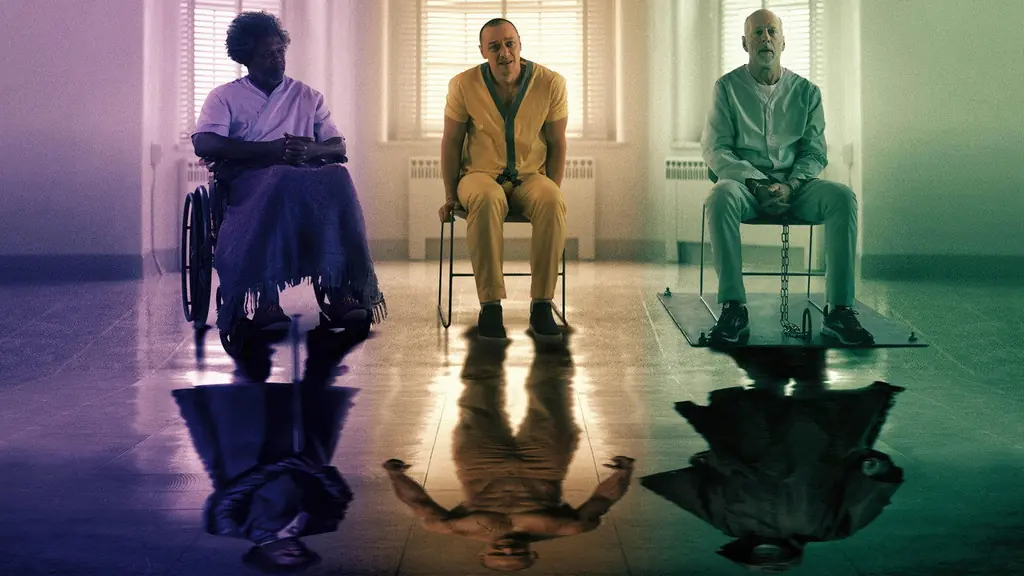
After nearly two decades, M. Night Shyamalan finally delivered Glass, the long-awaited conclusion to his unique superhero trilogy that began with Unbreakable and continued with Split. The hype was palpable, with fans eager to see the iconic David Dunn, Elijah Price, and Kevin Wendell Crumb finally converge. The promise was a grand showdown, a culmination of years of anticipation, bringing together three distinct cinematic forces.
The Lead Dynamic & The Action
From the outset, the film grabs attention, especially with the return of Bruce Willis as David Dunn. After years of seemingly phoning it in, Willis brings a palpable respect and commitment to the character, making Dunn's journey feel organic and earned. But the true standout, the undeniable force of nature, is James McAvoy. If his performance in Split impressed, his turn here as Kevin Wendell Crumb, or "The Horde," is nothing short of electrifying. McAvoy effortlessly snaps between dozens of distinct personalities, a rapid-fire display of acting prowess that keeps the audience utterly captivated. It's like watching a game of hacky sack with personalities, a dizzying, brilliant spectacle that anchors much of the film's early energy.
Cameos, Nostalgia & Narrative Stakes
While the film is technically a sequel to Unbreakable, it often feels more like a direct follow-up to Split. The second act, in particular, pays a beautiful tribute to the slow-burn, psychological thriller tone of Unbreakable, drawing viewers into the characters' minds with genuine investment. However, the narrative balance feels skewed. Despite the title, Samuel L. Jackson's Mr. Glass, while important, doesn't quite get the prominence one might expect. He's described as the "king in chess" – crucial, but often just sitting there, waiting for his moment. This uneven distribution of focus, coupled with some "interesting choices" that feel like retcons from previous films, can leave fans of the original feeling a touch underserved.
Tone, Direction & Creative Freedom
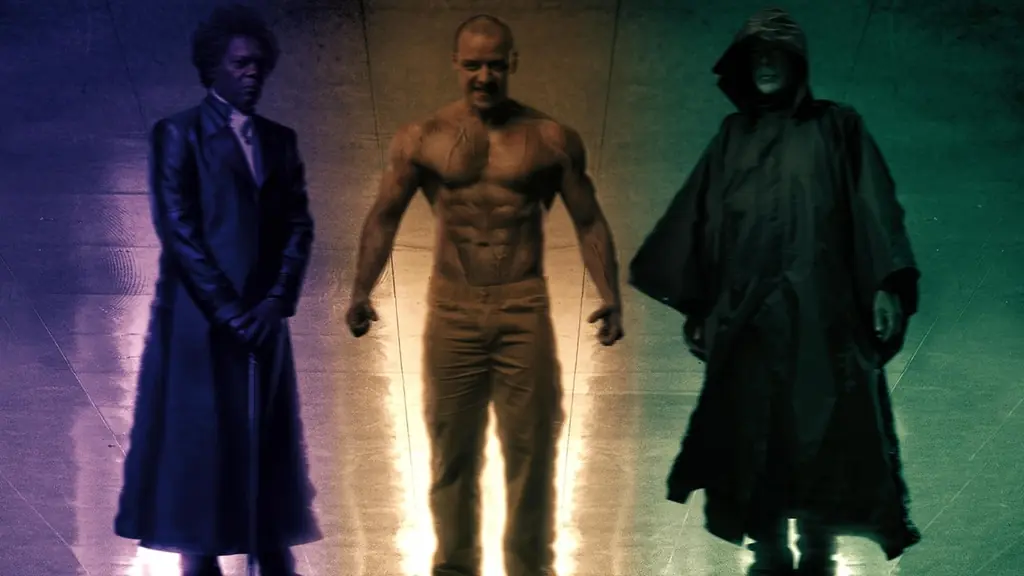
M. Night Shyamalan's direction shines when he treats Glass as a character piece or a psychological thriller, much like its predecessors. The initial acts are engaging, building tension and exploring the intricate minds of its protagonists. However, as the film progresses and leans more heavily into overt "superhero movie" tropes, especially in its third act, the experience becomes less enjoyable. It's as if Shyamalan had three distinct visions for the film – one for each act – and couldn't quite unify them. This results in a third act that, for lack of a better term, gets "Shyamalan-ed." A strong beginning and an engaging middle ultimately give way to a conclusion that feels sloppy and disjointed, leaving a lasting impression that detracts from the film's earlier strengths. The third act is what audiences remember most, and when it falters, the entire experience suffers.
The Final Verdict
Ultimately, Glass is a film that will undoubtedly divide audiences. For those who approached it primarily as a sequel to Split, it offers an interesting, albeit flawed, continuation. However, for fans who have waited nearly two decades for a true follow-up to Unbreakable, the film might leave them feeling a sense of disappointment, as it doesn't quite pay the tribute those characters deserved. It's a movie that's "fine," but perhaps best enjoyed with a less critical eye. M. Night Shyamalan's ambition is clear, but the execution is a fractured reflection of its potential.
What Worked
- James McAvoy's electrifying, multi-personality performance
- Bruce Willis's committed return as David Dunn
- The psychological depth and slow-burn tension of the second act
- The thrill of seeing iconic characters together again
What Didn't Work
- Uneven pacing and narrative focus across its three acts
- The third act feels disjointed and "Shyamalan-ed"
- Samuel L. Jackson's Mr. Glass is underutilized despite the title
- Feels more like a Split sequel than a true Unbreakable follow-up
- Some narrative choices feel like retcons from previous films



