Introduction
Forget everything you thought you knew about Godzilla movies, especially if your experience has been limited to the more recent Hollywood takes. Godzilla Minus One, the latest gift from Japan's Toho Studios, isn't just another monster flick; it's a revelation. Set in the immediate aftermath of World War II, as the citizens of Japan desperately try to rebuild their shattered lives, the film introduces us to a young kamikaze pilot, Koichi Shikishima, played by Ryunosuke Kamiki, who stumbles into an unexpected family dynamic with Noriko Oishi, portrayed by Minami Hamabe. Just as hope begins to flicker, Godzilla emerges, turning the monumental task of recovery into an existential fight for survival. For those who, like us, found themselves increasingly detached from the monster genre due to "boring human characters," this film is a powerful reminder that a compelling story can elevate even the most colossal of threats.
The Lead Dynamic & The Action
What truly sets Godzilla Minus One apart is its unwavering focus on its human core. The film masterfully builds attachment to its characters, making their struggles and triumphs genuinely resonate. When Godzilla appears, he isn't just a spectacle; he's a palpable danger, a true antagonist whose destructive path threatens the very people we've come to care about. There's no rooting for the monster here; only a desperate hope that our newfound friends will survive. This deep emotional investment transforms every roar and every act of destruction into a high-stakes drama.
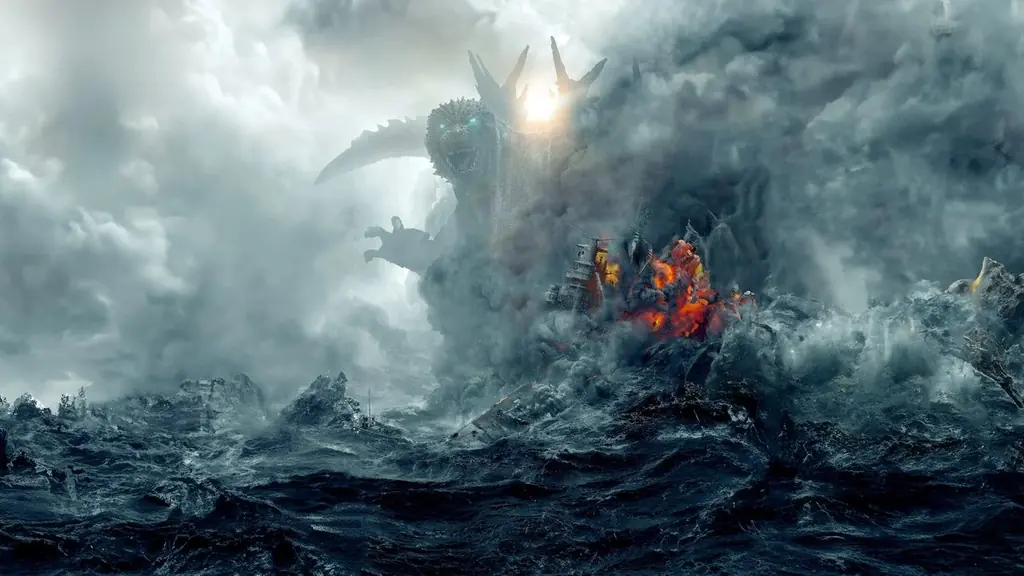
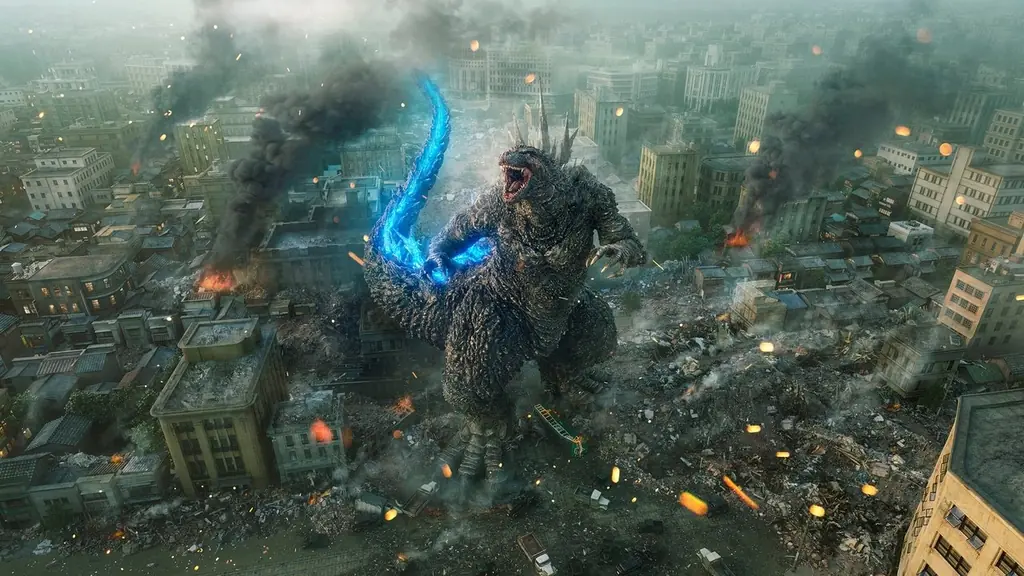
Visually, the film is nothing short of stunning. Despite a reported budget of just $15 million—a figure that frankly shocks given the on-screen grandeur—the effects are consistently excellent. While a few fleeting moments might show a slight edge of roughness, they are easily overshadowed by sequences that rival, and often surpass, those from Hollywood blockbusters with ten to twenty times the budget. This was $15 million incredibly well spent. The highlight? Godzilla's atomic breath, which has never been more terrifying or epic. It's a fast, concentrated beam of pure nuclear output, reminiscent of the Death Star laser in "Rogue One," and it's hammered home with sound mixing and design that are nothing short of phenomenal. Godzilla sounds truly terrifying, his destruction is visceral, and the audio immerses you completely in the chaos.
Cameos, Nostalgia & Narrative Stakes
Godzilla Minus One is a brilliant celebration of Godzilla's enduring legacy, yet it smartly avoids the trap of mere nostalgia bait. This isn't a film that relies on fan service or excessive cameos to carry its weight. Instead, it re-establishes Godzilla as the ultimate problem, the unyielding monster that must be dealt with. He's not an anti-hero or a protector; he's a force of nature, an "[__]" that threatens to undo all the hard-won progress of a nation trying to heal. The narrative stakes are incredibly high precisely because the film invests so heavily in its human characters and their fight for survival, making every confrontation with the kaiju feel earned and impactful.
Tone, Direction & Creative Freedom
Director Takashi Yamazaki has crafted a film that is both a thrilling monster movie and a profound human drama. The decision to place Godzilla in post-World War II Japan is a stroke of genius, allowing the monster to symbolize the overwhelming challenges and trauma the country faced. This historical context elevates the narrative, transforming Godzilla into a metaphor for the forces that threaten to crush the human spirit. The film is a glorious dance, celebrating resilience and the will to live, making Godzilla's presence all the more potent as the ultimate antagonist. It's clear that the filmmakers were given the creative freedom to tell a story that is both deeply personal and universally resonant.
The Final Verdict
Godzilla Minus One is an awesometacular cinematic experience that blew us away. It's a fulfilling, character-driven monster movie that redefines what the genre can achieve. This isn't just one of the best films of the year; it's the kind of Godzilla movie that makes you want to dive back into the entire legacy of the King of the Monsters. It's a powerful, emotional, and utterly thrilling ride that proves Godzilla is far from a tired franchise.
What Worked
- Deeply engaging and empathetic human story
- Godzilla portrayed as a terrifying, genuine threat
- Stunning visual effects for its modest budget
- Epic and visceral atomic breath sequence
- Exceptional sound design that immerses the viewer
What Didn't Work
- Occasional minor visual inconsistencies
- Some might find the intensity of the human drama overwhelming if expecting pure monster action