
Introduction
From the moment the lights dim, Green Book promises a journey unlike any other. This 2018 drama, directed by Peter Farrelly, throws two wildly disparate individuals into a 1960s road trip through the racially charged American South. Audiences were eager to see how this unlikely pairing would navigate both the literal and metaphorical bumps in the road, and the film delivers a deeply human story of connection.
The Lead Dynamic & The Action
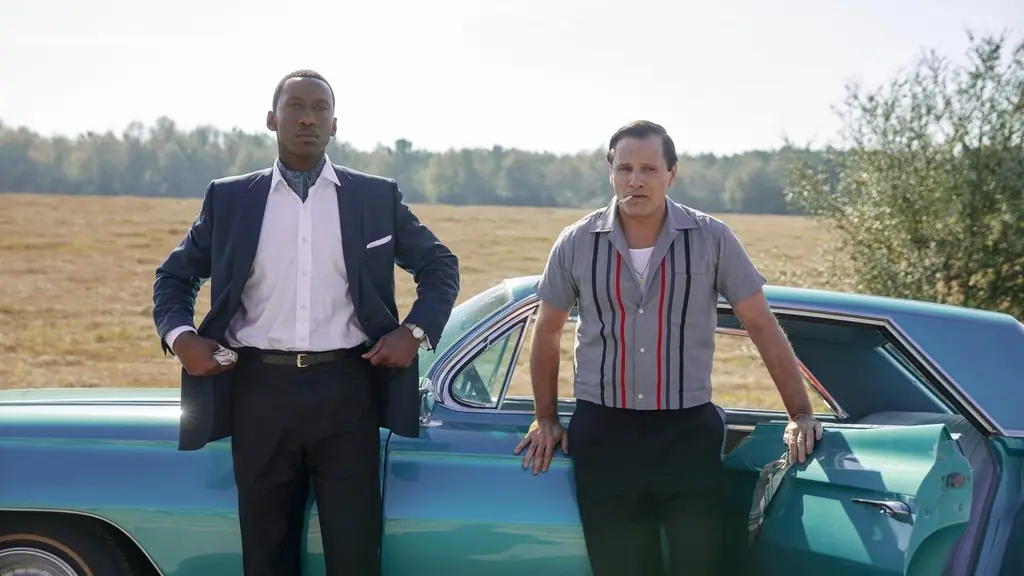
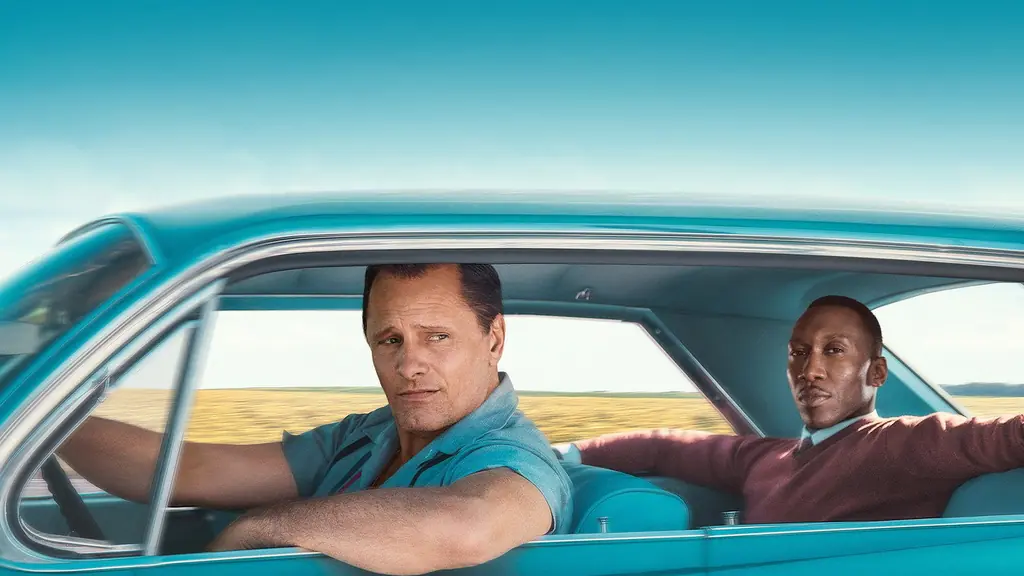
The heart of Green Book beats with the incredible chemistry between its leads. Viggo Mortensen transforms into Tony Vallelonga, a tough-talking, self-proclaimed "master bullshitter" Italian bouncer, a role that brilliantly showcases his range beyond his more familiar characters. Opposite him, Mahershala Ali embodies Dr. Don Shirley, a highly cultured, sophisticated classical pianist. These two are polar opposites, thrown together by circumstance, and their dynamic is pure gold. The film isn't about explosive action sequences or constant brawls; Tony acts more as a deterrent. Instead, the real fireworks happen within the car, in the evolving relationship between these two men. It's a testament to the performances that their interactions, their initial friction, and eventual mutual respect are far more engaging than any external conflict.
Cameos, Nostalgia & Narrative Stakes
While the film is titled Green Book, a guide for Black travelers in the segregated South, the narrative largely focuses on the personal journey of Tony and Doc. This choice, while delivering a powerful character study, does raise questions about the title's emphasis. The film prioritizes the intimate growth of its protagonists over a broader exploration of the historical document itself. The stakes are deeply personal: two men from different worlds learning to see beyond their prejudices and preconceived notions. It's a story of individual transformation, where both characters gain invaluable perspective, rather than a one-sided lesson in tolerance. This focus ensures the narrative remains grounded and deeply human.
Tone, Direction & Creative Freedom
Peter Farrelly navigates the film's tone with a deft hand, balancing moments of humor with the harsh realities of the era. The pacing feels natural, allowing the audience to truly invest in the characters' journey. What truly shines is the film's commitment to showing mutual growth. It avoids the cliché of only one character learning from the other; instead, both Tony and Doc evolve, gaining new perspectives that enrich their understanding of the world and each other. This reciprocal learning is what makes Green Book such a genuinely human and enjoyable experience, celebrating the idea that everyone has something to learn and teach.
The Final Verdict
Ultimately, Green Book is a deeply satisfying and worthwhile watch. The performances from Viggo Mortensen and Mahershala Ali are nothing short of fantastic, their chemistry undeniable. It's a personal story about friendship, growth, and the broadening of perspectives that resonates long after the credits roll. For anyone seeking a character-driven drama that champions human connection, this road trip is one you absolutely should take.
What Worked
- Exceptional chemistry between Viggo Mortensen and Mahershala Ali.
- Powerful performances showcasing incredible acting range.
- Nuanced exploration of mutual growth and perspective.
- Engaging, character-driven narrative.
- A genuinely human and enjoyable story of friendship.
What Didn't Work
- The title "Green Book" feels somewhat misplaced given the narrative focus.
- Limited external conflict, prioritizing in-car dynamic over broader action.
- Might leave some wanting a deeper dive into the historical "Green Book" itself.



