Introduction
Forty years is a long time to wait, but Halloween (2018) arrives as the definitive, direct sequel to John Carpenter's 1978 original. This isn't just another chapter; it's a deliberate, respectful continuation that wipes the slate clean, ignoring decades of convoluted lore to bring the terror back to its roots. Audiences have been clamoring for a return to form, and this film steps up, promising to celebrate everything that made the first encounter with Michael Myers so chilling.
The Lead Dynamic & The Action
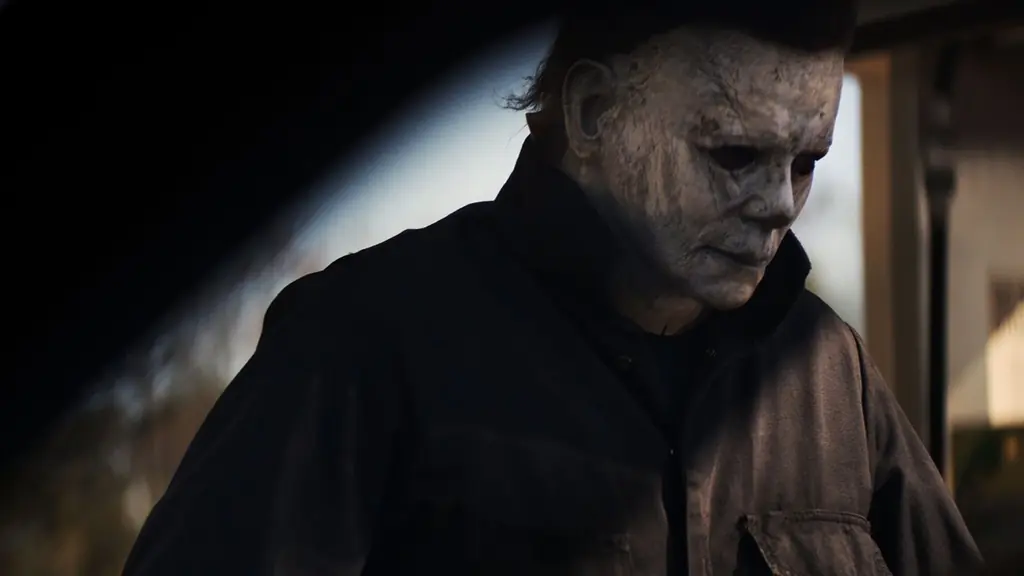
At its core, this Halloween understands Michael Myers. He's not an elaborate super-villain; he's a silent, prowling force of nature. The film masterfully recreates the original's unsettling atmosphere, focusing on the distant stare, the unseen presence, and that iconic, creepy breathing beneath the mask. Early kills are less about gore and more about the unsettling "thud," building a palpable sense of dread before the more shocking moments arrive later. This approach makes the violence feel earned and impactful, rather than gratuitous.
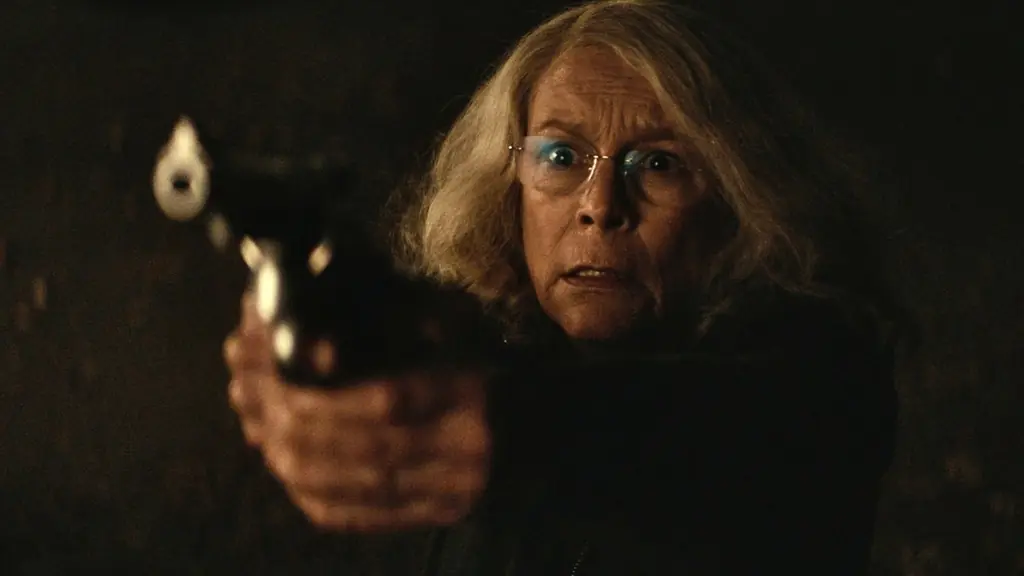
But the true heart of the film beats with Jamie Lee Curtis's return as Laurie Strode. This isn't a flawless, fearless hero; it's a deeply human, traumatized warrior. Laurie is strong not because she lacks fear, but because she confronts it head-on, channeling decades of terror into a fierce determination. Her agoraphobia and psychological scars are openly acknowledged, making her resilience all the more compelling. This is how you craft a truly strong character—one who is flawed, human, and utterly captivating. The film also sprinkles in humor, particularly from a young character, which mostly lands well, adding a touch of levity without compromising the pervasive dread.
Cameos, Nostalgia & Narrative Stakes
The first half of Halloween serves as a loving ode to the original, meticulously capturing its essence. It preys on that primal fear of being watched, the unsettling feeling that someone is lurking just beyond sight. This dedication to the source material is evident throughout, making it a film clearly crafted for fans. However, not every narrative choice hits the mark. A particular subplot involving Haluk Bilginer's doctor, seemingly positioned as the "next Loomis," feels entirely out of place. This side arc, attempting to delve into Michael Myers's psyche, ultimately detracts from the core story of Laurie and her family, leaving audiences wishing the focus remained squarely on the Strode legacy. Some character decisions also strain credulity, with a few individuals making baffling choices in the face of imminent danger.
Tone, Direction & Creative Freedom
Under the direction of David Gordon Green, the film maintains a consistent tone that prioritizes suspense over shock value for much of its runtime. The emphasis on the unseen, the sound of Michael's breathing, and the aftermath of his actions rather than explicit "torture porn" sets it apart from many modern horror entries. When the gore does arrive, it feels earned and genuinely impactful. The pacing is deliberate, allowing the tension to build organically, ensuring that the audience is constantly on edge. This creative freedom to lean into the psychological horror, while still delivering on the slasher elements, is a testament to a clear vision that respects the legacy of the original while forging its own path.
The Final Verdict
For those who cherish the chilling simplicity and psychological dread of the 1978 classic, this Halloween is an absolute must-see. It's a film that understands its heritage, delivering a potent blend of suspense, character-driven drama, and visceral horror. While a few minor missteps, like an unnecessary subplot and some questionable character decisions, slightly mar the experience, they do little to diminish the overall impact. This is a triumphant return for Michael Myers and, more importantly, for Laurie Strode, offering a satisfying and genuinely scary continuation of their decades-long struggle. It's a film worth watching, and for dedicated fans, worth owning.
What Worked
- Authentic return to Michael Myers's original terror
- Powerful and flawed portrayal of Laurie Strode
- Effective build-up of suspense and fear
- Well-integrated humor that mostly enhances the experience
- A true sequel that respects its roots
What Didn't Work
- Some characters act unrealistically foolish
- Unnecessary and distracting doctor subplot
- Occasional out-of-place humor from a child character