Introduction
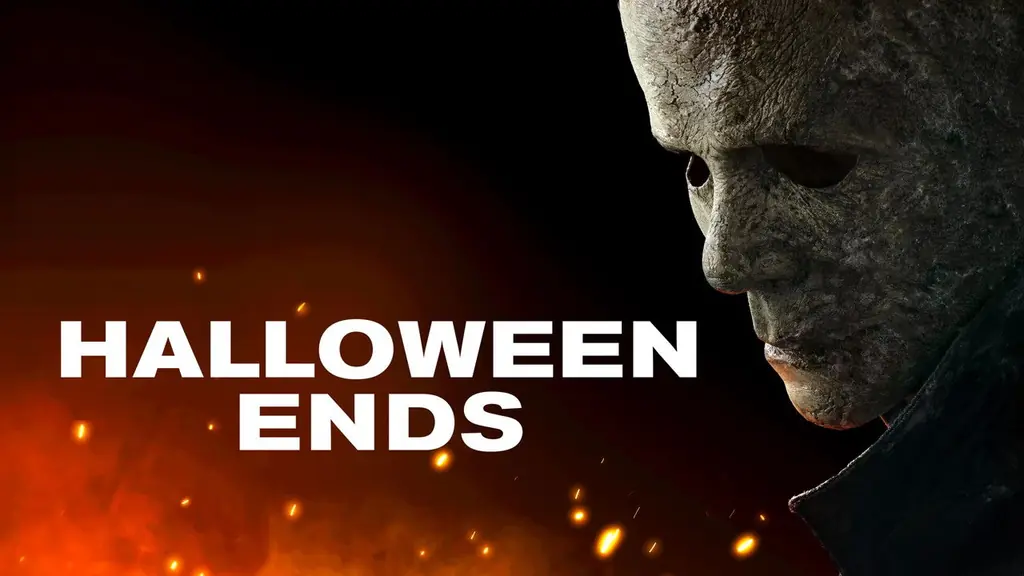
The stage was set for an "epic-ish conclusion." After decades of terror, the new Halloween Ends trilogy promised a definitive final clash between Jamie Lee Curtis's iconic Laurie Strode and the relentless evil of Michael Myers. Audiences anticipated a nail-biting, no-holds-barred showdown, a true end to a legendary saga. What they received, however, was a narrative curveball that left many scratching their heads, feeling less like a grand finale and more like a bait-and-switch.
The Lead Dynamic & The Action
For much of its runtime, Halloween Ends pivots away from its established protagonists to introduce a new character, Corey Cunningham, played by Rohan Campbell. The film largely rests on his shoulders, exploring his descent into darkness after a tragic accident. While Rohan Campbell delivers a commendable performance, portraying a "bird with a broken wing" persona that evokes initial empathy before revealing a more unsettling side, the focus feels misplaced. Despite this narrative detour, the film does deliver on some fronts. A few specific kills are genuinely "satisfying" and stand out. Crucially, the long-awaited final confrontation between Laurie Strode and Michael Myers lives up to the hype. This climactic battle is "really good," "fulfilling," and genuinely "nail-biting," making good on the promise of the trailers and delivering the intense, high-stakes fight fans craved.
Cameos, Nostalgia & Narrative Stakes
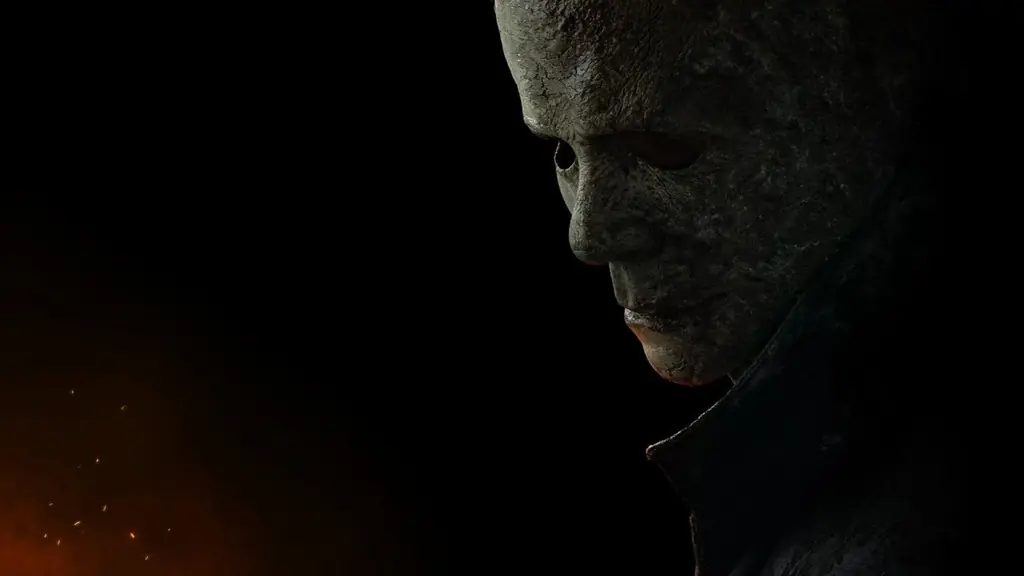
The core issue with Halloween Ends is its structural ambition, or perhaps, its lack thereof. The film feels like "two very unrelated films crammed into one," a dating drama awkwardly fused with a slasher finale. Michael Myers, the very embodiment of the franchise, finds himself "sidelined in his own movie" for extended periods, relegated to the background while the new character's story unfolds. This shift in focus dilutes the narrative stakes for long-time fans who came to see the conclusion of Laurie and Michael's saga. The film struggles to balance its attempt at a "deep character study" with the expectations of a slasher sequel, resulting in a disjointed experience that feels less inspired than its 2018 predecessor.
Tone, Direction & Creative Freedom
David Gordon Green takes a "big swing" with Halloween Ends, attempting to explore the nature of evil and what makes a psychopath. The film asks profound questions about the origins of malevolence, but its execution often misses the mark. The decision to center the narrative on a brand-new character, rather than the established icons, feels like a miscalculation for a supposed grand finale. While creative freedom is often lauded, here it results in a film that feels "rushed out" and lacking the cohesive vision that made the 2018 entry so compelling. It's an admirable attempt to break new ground, but one that ultimately sacrifices the franchise's identity.
The Final Verdict
Halloween Ends is a classic case of "sequelitis," a film that, despite its bold ambitions, ultimately feels like a "miss." While Jamie Lee Curtis once again proves her mastery of the role, and the final showdown delivers genuine thrills, the hour and a half preceding it often feel like a different movie entirely. The decision to sideline Michael Myers for a new character study, while a "big swing," doesn't quite land. This is a film that will likely be "forgotten in T-minus one day," leaving fans with a conflicted, rather than conclusive, end to the Haddonfield saga.
What Worked
- [[person:8944|Jamie Lee Curtis]] delivers a standout performance as Laurie Strode.
- The final showdown between Laurie Strode and Michael Myers is intense and fulfilling.
- A few specific kills are genuinely satisfying and memorable.
- Attempts a bold, character-driven narrative shift for the franchise.
What Didn't Work
- Michael Myers is largely sidelined in his own supposed finale.
- The plot feels like two unrelated movies awkwardly stitched together.
- The new central character lacks an established connection to the franchise.
- Suffers from "sequelitis," feeling rushed and uninspired compared to its predecessor.
- The "bait and switch" marketing misrepresents the film's true premise.