Introduction
After the triumphant return of Michael Myers in the 2018 Halloween film, audiences eagerly anticipated the next chapter. That film successfully retconned previous sequels, offering a fresh, direct continuation of the original terror. However, the follow-up, Halloween Kills, struggles under the weight of its predecessor's success, feeling less like an inspired continuation and more like a film scrambling to justify its own existence. What was meant to be a thrilling escalation instead delivers a muddled, often pretentious, experience that leaves much to be desired.
The Lead Dynamic & The Action
One of the most glaring issues in Halloween Kills is the unfortunate sidelining of its iconic protagonist, Jamie Lee Curtis's Laurie Strode. Despite being a central figure in the marketing, Laurie spends the majority of the film in a hospital bed, delivering monologues rather than engaging in the action. This decision feels like a missed opportunity, especially given the compelling dynamic established in the previous installment.
When it comes to the action, the film leans heavily into gore, but often to its detriment. The kills, while plentiful, lack the creativity and style that could elevate them beyond mere shock value. It often feels as though the gratuitous blood and guts are deployed to mask a deeper lack of imaginative set pieces, leaving the audience with a sense of uninspired violence rather than genuine terror or excitement.

Cameos, Nostalgia & Narrative Stakes
Halloween Kills attempts to explore themes of mob mentality and the dangers of fear, with characters like Anthony Michael Hall's Tommy Doyle rallying the town against Michael Myers. While the concept of a community driven to vigilante justice is intriguing, the execution is often clumsy and heavy-handed. The film struggles to balance its serious thematic ambitions with its slasher roots, leading to jarring tonal shifts. One moment, it's attempting a profound statement on societal fear, and the next, it's showcasing a mentally ill patient splattering on the ground with graphic detail. This tonal whiplash undermines any genuine narrative stakes the film tries to build.
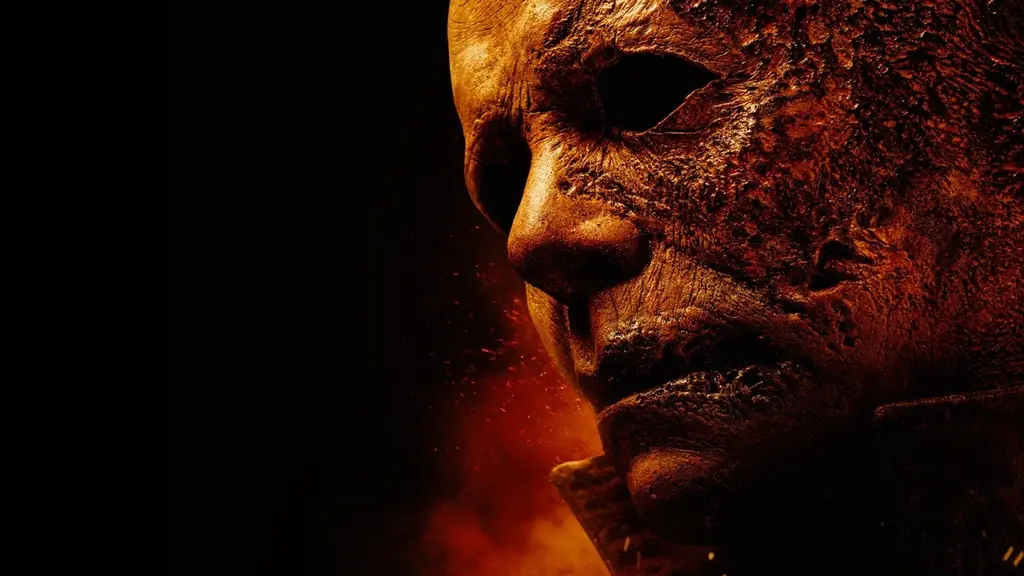
Furthermore, the film suffers from a severe case of "sequelitis." It feels like a movie made because the last one was successful, rather than one with a clear, compelling story to tell. It chases its own tail, focusing on peripheral characters and plotlines that detract from the core conflict between Laurie and Michael. Even a moment where Judy Greer's Karen briefly takes Michael Myers' mask feels like an unnecessary reveal, showing too much of the enigmatic killer and diminishing his mystique. The narrative ultimately leads to a frustrating "zero payoff," leaving audiences feeling like they've sat through a prolonged setup for something that never arrives.
Tone, Direction & Creative Freedom
Under the direction of David Gordon Green, Halloween Kills presents a perplexing mix of intentions. It often takes itself far too seriously for a slasher film, attempting to deliver a profound message about fear and community. Yet, simultaneously, it exhibits a lack of self-awareness, failing to lean into the fun, campy elements that even "bad" slasher movies often embrace. This creates a disjointed viewing experience, akin to a chef claiming five-star cuisine while serving up an uninspired dish. The film doesn't seem to know what kind of movie it wants to be, oscillating between weighty drama and uncreative gore without finding a cohesive identity. This lack of clear direction suggests a creative freedom that, unfortunately, resulted in a muddled vision rather than a wild, engaging ride.
The Final Verdict
Ultimately, Halloween Kills is a disappointing entry in the iconic horror franchise. Despite its attempts at thematic depth and a high body count, it's a film plagued by a muddled tone, uninspired kills, and a narrative that goes nowhere fast. It sidelines its most compelling character, Jamie Lee Curtis's Laurie Strode, and delivers a frustrating lack of resolution. This isn't a film that will be remembered fondly or revisited annually during the Halloween season. It's a forgettable "bore fest" that leaves little lasting impression beyond a sense of missed opportunity.
What Worked
- Attempted to explore themes of mob mentality and fear.
- Continues the story from the 2018 film.
- Features the iconic Michael Myers.
- High body count for slasher fans.
What Didn't Work
- Laurie Strode sidelined for most of the film.
- Gratuitous gore lacking creative kills.
- Inconsistent tone, oscillating between serious themes and uninspired violence.
- Suffers from severe "sequelitis" and a frustrating lack of narrative payoff.