Introduction
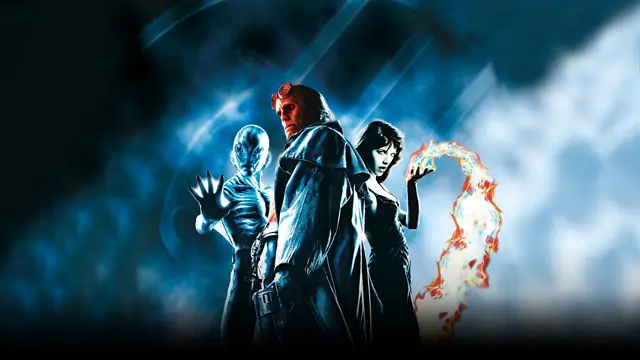
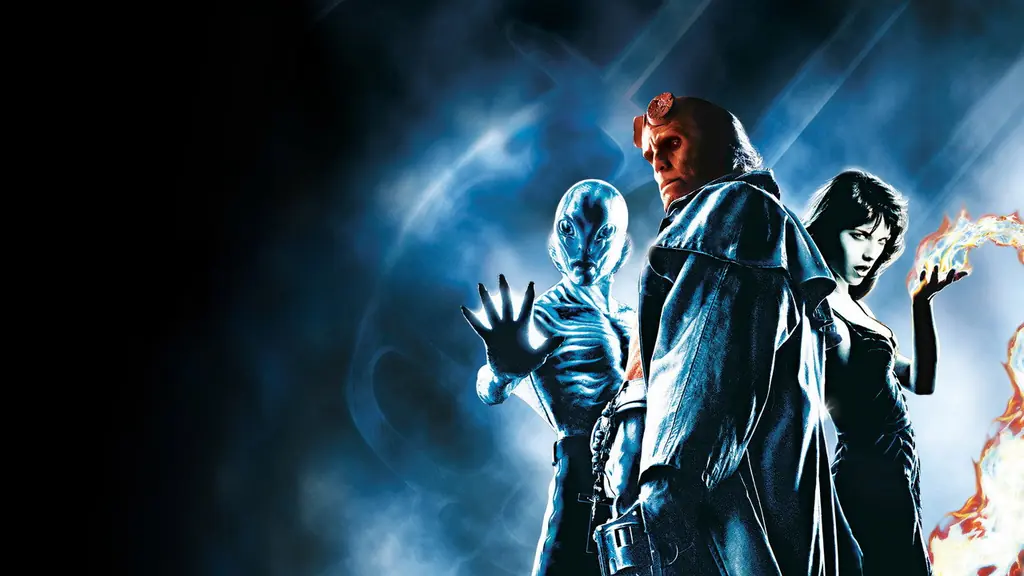
The cinematic landscape has seen its share of reboots and reinterpretations, and the arrival of a new Hellboy adaptation certainly piqued interest. Stepping away from the beloved vision of Guillermo del Toro, this iteration promised a fresh, unlinked take on the iconic demon. With David Harbour donning the horns, audiences were curious to see if this retelling could carve out its own niche. While initial moments offered a glimmer of fun, the experience ultimately devolves into a chaotic, often forgettable mess.
The Lead Dynamic & The Action
David Harbour, as the titular demon, proves to be a solid casting choice, embodying the gruff charm of Hellboy. However, his performance often feels hampered by a script that struggles to give him compelling material. The film frequently presents concepts that sound fantastic on paper but falter dramatically in execution. Take, for instance, a sequence where Hellboy confronts three giants in a field. The idea is undeniably cool, with rock music kicking in as he massacres the colossal foes, showcasing his immense power in an entertaining brawl. Yet, the illusion is shattered by glaringly obvious green screen work, pulling viewers out of the action.
Indeed, the visual effects are a consistent weak point, with bad CGI sticking out like a sore thumb throughout. Beyond the technical shortcomings, the film's approach to violence is equally problematic. It's often gratuitous, existing purely for shock value rather than serving any narrative purpose. While one particularly stylish shot—where Hellboy blasts a hole through a foe, with the camera zooming out through the wound—stands out, such moments are rare. Instead, the screen is frequently awash with blood and dismembered bodies, seemingly just to justify an R-rating, rather than enhancing the story or character development. Some creature designs, while aiming for grotesque, veer into genuinely unpleasant territory, with one particular ghost effect described as resembling "the ass of the alien queen" from Aliens.
Cameos, Nostalgia & Narrative Stakes
The narrative structure of Hellboy is undeniably sloppy. The story demands visits to numerous locations and interactions with a multitude of characters, creating a disjointed, almost patchwork feel. The editing struggles to weave these elements together cohesively, often resorting to clumsy transitions like Hellboy simply passing out and waking up in a new place, or relying on voiceover montages to bridge significant gaps in time and space. This constant need for exposition, particularly concerning ancient lore from the year 500, becomes a "storytelling eyesore" early on, burdening the audience with information dumps that persist throughout the film.
Curiously, the film's most engaging antagonist isn't the primary villain, Milla Jovovich's Blood Queen, but rather a secondary "pig" character. This minor villain, with his personal vendetta against Hellboy, manages to be far more compelling, leaving audiences wishing for more of his arc. Unfortunately, he's unceremoniously pushed aside for the "bigger" threat, proving that a larger villain doesn't always equate to a better one. Even a pivotal moral dilemma for Hellboy, a moment handled with significant impact in previous iterations, feels like a "99-cent version" here, lacking the emotional weight it deserves.
Tone, Direction & Creative Freedom
The film's tone feels inconsistent, often mistaking hyper-violence and frequent expletives for genuine edge. While aiming for a gritty, mature take on the character, it often comes across as trying too hard to prove its R-rating rather than letting the story naturally dictate its intensity. The overall direction struggles to maintain a coherent vision, resulting in a film that feels both overstuffed with lore and underdeveloped in its core narrative. It's a clear case where creative freedom, if granted, wasn't channeled into a focused or impactful cinematic experience.
The Final Verdict
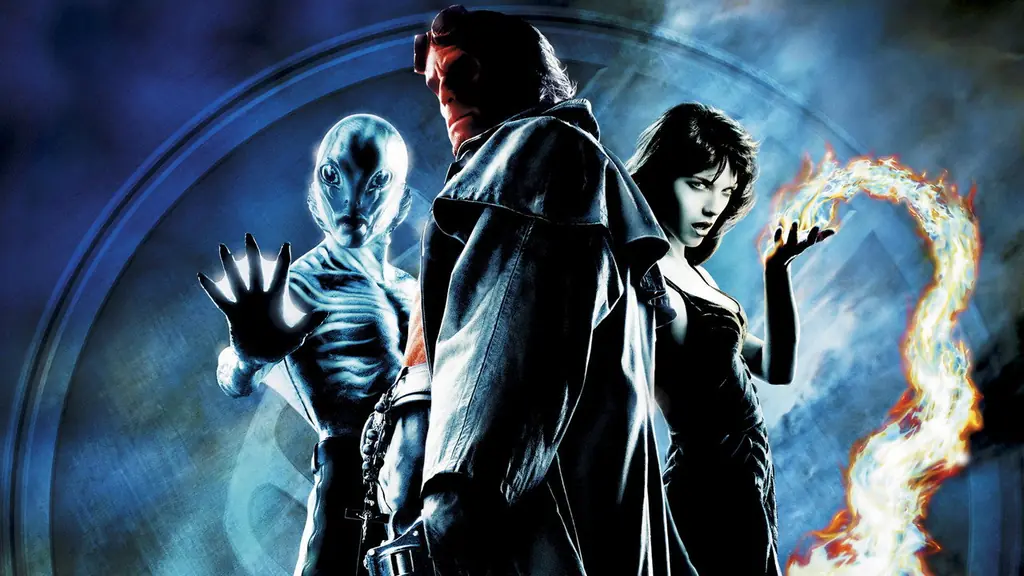
Ultimately, this iteration of Hellboy is a forgettable endeavor. Despite fleeting moments of fun and a well-cast lead in David Harbour, the film's messy storytelling, inconsistent visuals, and gratuitous violence prevent it from leaving any lasting impression. It's the kind of movie that, despite some initial enjoyment, quickly fades from memory, leaving behind a sense of missed potential rather than a desire for a rewatch. While the concept had promise, the execution falls short, making it a difficult recommendation for even the most ardent fans.
What Worked
- David Harbour is a good casting choice for Hellboy.
- Some action sequences, like the giants fight, are conceptually cool and entertaining.
- One specific stylistic violence shot stands out.
- Certain creature designs are interesting, despite others being problematic.
What Didn't Work
- Sloppy storytelling and editing lead to a disjointed narrative.
- Gratuitous violence often lacks purpose and feels forced.
- Inconsistent and distracting bad CGI.
- The main villain is less engaging than a secondary antagonist.
- Weak handling of Hellboy's moral dilemma compared to previous films.
- Overall forgettable and lacks re-watch value.