Introduction
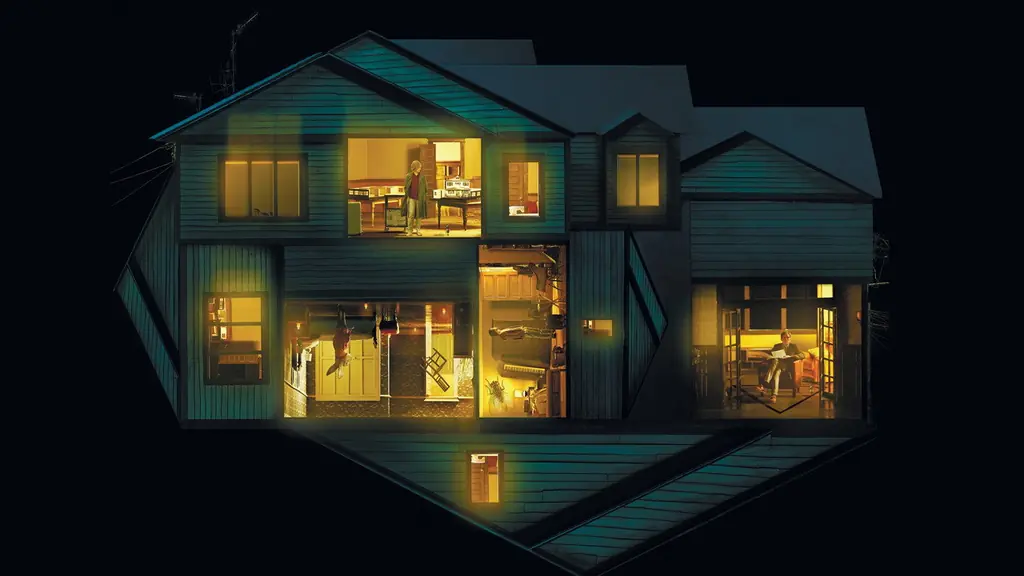
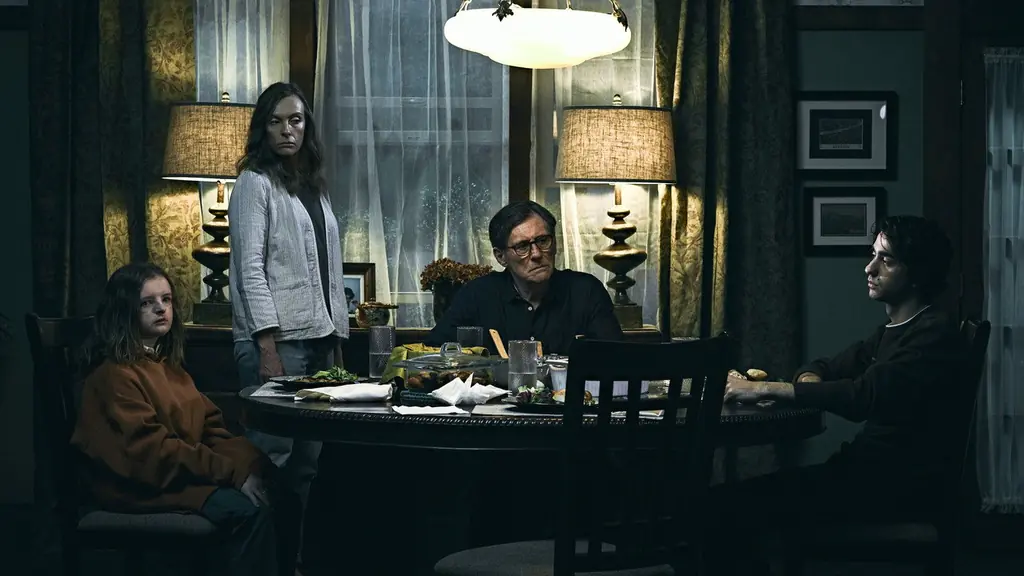
From the moment Hereditary first graced screens, it arrived shrouded in an almost mythic buzz. Touted as a new breed of horror, a film that dared to defy genre conventions, it promised a slow-burn, art-house experience designed to burrow deep under the skin rather than rely on cheap thrills. This is a haunting, possession-infused tale that begins with the quiet, devastating grief of a family following the death of their matriarch. As the initial shock settles, simmering tensions within the family begin to surface, paving the way for a series of increasingly unsettling and escalating events that push the boundaries of psychological terror.
The Lead Dynamic & The Action
At the heart of Hereditary lies a performance that has rightly garnered immense praise: Toni Collette as the grieving mother. Her portrayal is nothing short of phenomenal, embodying the raw intensity and unsettling aura required for the role. She navigates the character's descent into what appears to be madness with a compelling, almost frightening authenticity. This is a film that thrives on psychological warfare, preferring to build dread through disturbing imagery and unsettling atmosphere rather than predictable jump scares. Early scenes, where figures subtly emerge from darkness, forcing the viewer's eyes to adjust and confirm the horror, are particularly effective in their creepy subtlety.
However, not all moments land with equal impact. While the film delivers truly shocking and memorable sequences—the jaw-dropping, horrific accident involving the daughter and the son's subsequent frozen, numb reaction stands out as a masterclass in effective, disturbing cinema—other emotional beats feel less convincing. A particular crying scene from Alex Wolff's character, for instance, struck a discordant note, feeling somewhat forced compared to the visceral power of his earlier, wordless reactions. Yet, it is these moments of stark contrast, between the profoundly impactful and the slightly off-key, that define the film's unique rhythm.
Cameos, Nostalgia & Narrative Stakes
Hereditary largely sidesteps the common pitfalls of modern horror. It earns significant credit for eschewing the predictable and the cliché. The film does not rely on cheap jump scares, a refreshing departure from many contemporary genre offerings. Its narrative unfolds with a deliberate pace, keeping audiences guessing for its initial half. The first act is genuinely unpredictable, delivering shocks that leave viewers reeling. However, as the story progresses into its second half, some of the mystery dissipates, and the plot becomes somewhat more transparent.
There's a distinct tonal and structural kinship between Hereditary and films like "The Witch." Both embrace a slow, deliberate build-up, culminating in an ending where malevolent forces unequivocally triumph, leaving no room for ambiguity. For those who found "The Witch" to be a challenging or unsatisfying experience due to its pace and bleak conclusion, Hereditary might evoke a similar reaction. The film commits to its dark vision, ensuring that evil wins, and the surviving youth is left to contend with demonic possession, echoing a similar narrative trajectory.
Tone, Direction & Creative Freedom
Ari Aster's direction in Hereditary is undeniably distinct, carving out a unique space within the horror landscape. The film embraces a "slow burn" approach, a deliberate pacing choice that, while appreciated by some for its atmospheric build-up, can also lead to moments that feel less engaging or even "boring" for viewers accustomed to more immediate thrills. It prioritizes psychological tension and disturbing imagery, creating an unsettling experience that lingers long after the credits roll. However, it's important to note that disturbing imagery, while effective, doesn't automatically translate to "scary" for every audience member. The film's commitment to its unsettling aesthetic is commendable, even if it doesn't induce universal terror.
The narrative also flirts with intriguing thematic possibilities, particularly the idea of "heredity" referring to either a demonic bloodline or the passing down of mental illness like schizophrenia. Yet, the film ultimately opts for an absolute, unambiguous demonic conclusion, leaving little room for the nuanced interpretation of psychological struggle. While this provides a definitive, chilling resolution, a more open-ended approach might have offered a richer, more thought-provoking experience, allowing the audience to grapple with the ambiguity of whether the horror was supernatural or internal.
The Final Verdict
Hereditary is a film that dares to be different, pushing the boundaries of modern horror with its art-house sensibilities and unflinching commitment to its dark vision. While it may not be a universally beloved "masterpiece" for every viewer, it undeniably offers a "good time" for those seeking a unique and challenging cinematic experience. It's a film that demands attention, rewarding patience with genuinely disturbing moments and a standout performance from Toni Collette. It's a horror film that goes in a different direction, and for that, it deserves appreciation. Consider it essential viewing, if only to understand the contemporary horror landscape—or to be prepared for that inevitable film class quiz.
What Worked
- Toni Collette's intense and unsettling performance is a standout.
- Avoids predictable jump scares, opting for psychological dread.
- Features genuinely shocking and disturbing imagery.
- Offers a unique, art-house approach to the horror genre.
- Unpredictable first half keeps viewers on edge.
What Didn't Work
- The slow-burn pace can feel boring or disengaging for some viewers.
- The second half becomes somewhat predictable in its narrative.
- Some emotional performances feel less convincing than others.
- The absolute ending leaves little room for nuanced interpretation.
- Disturbing imagery doesn't always translate to genuine scares for all.