
Introduction
Hunter Killer arrived on screens with little fanfare, a surprising entry that felt like a throwback to an earlier era. While the 80s saw Cold War thrillers pitting the US against Russia, this film attempts a peculiar full circle, echoing those themes but with a modern, somewhat muddled twist. Many viewers, much like Screenverse, found themselves asking, "What is this movie, and where did it came from?"
The Lead Dynamic & The Action
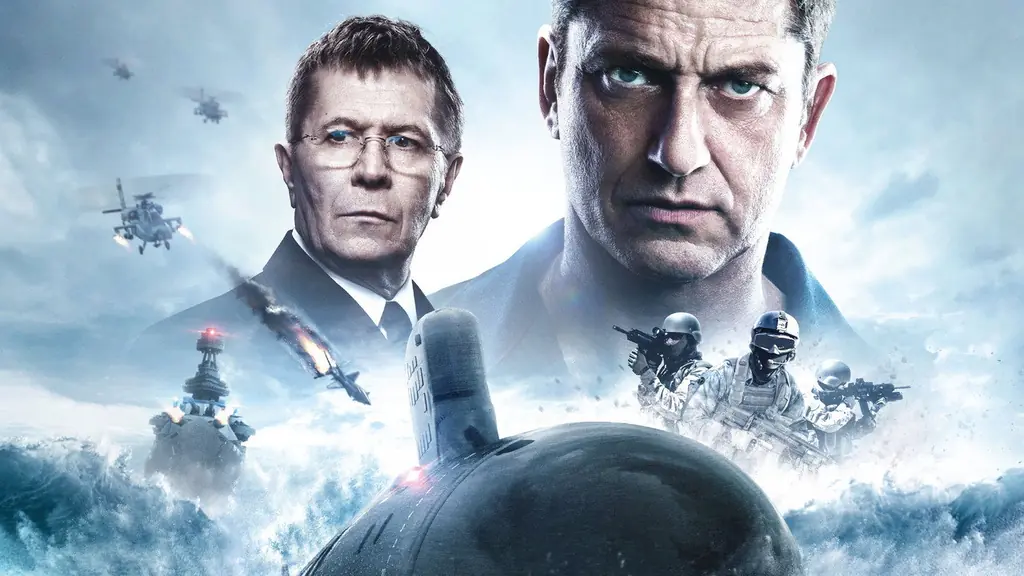
The film stars Gerard Butler as the submarine commander, leading a crew into perilous waters. He's joined by Common as a two-star general and Gary Oldman in a role as a Pentagon official who spends much of his screen time yelling. The core mission involves a daring rescue of the Russian president after a coup.
Action sequences in Hunter Killer often defy logic and physics. Submarines are seen "banking corners" and performing maneuvers that stretch credulity, seemingly surviving destruction multiple times over. There's a recurring observation that the Russian forces, despite their numbers, possess an uncanny inability to hit their targets, with bullets "spraying" everywhere but rarely connecting. It's the kind of action where tension is manufactured, often at the expense of common sense.
Cameos, Nostalgia & Narrative Stakes
The plot, involving a coup in Russia and a covert operation to extract the president, quickly becomes convoluted. The narrative feels less like a cohesive story and more like "two different episodes or two hour-long movies that were just stitched together." A glaring logical flaw emerges when video evidence of the coup, a "damning piece of evidence," is inexplicably overlooked as a simple solution to expose the plot. Instead of leaking the video to the UN or even Twitter, the characters opt for a long-winded, dangerous rescue mission, creating tension where a simpler, more effective path was available. This oversight highlights the film's tendency to prioritize manufactured drama over sensible storytelling.
Tone, Direction & Creative Freedom
Donovan Marsh's direction attempts to channel the spirit of a "cheesy 90s action movie," a niche Gerard Butler has often embraced. The intention is clear: deliver nonsensical fun reminiscent of that era. However, the execution often falls short, resulting in a film that merely feels like a cheesy 90s action movie, rather than a fun, self-aware homage. While it has its moments of "cool stuff," these often require a complete disregard for realism. The film aims for a specific tone but struggles to consistently hit the mark, leaving it in a strange middle ground between genuine excitement and unintentional parody.
The Final Verdict
Ultimately, Hunter Killer is a film that tried to be a certain kind of action movie, and in some ways, it succeeded. It offers some enjoyment for those willing to suspend disbelief entirely and embrace its B-movie sensibilities. However, it often comes across as a "99-cent Jack Ryan," a forgettable experience that, despite its efforts, doesn't quite justify a full ticket price. It's the kind of movie that might provide a fleeting distraction but is unlikely to linger in the memory much beyond the credits.
What Worked
- Embraces cheesy 90s action movie aesthetic
- Offers some fleeting enjoyment
- Gerard Butler in his element
- High-stakes premise
What Didn't Work
- Convoluted and messy plot
- Frequent disregard for logic and physics
- Forgettable overall experience
- Russian forces' poor marksmanship



