Introduction
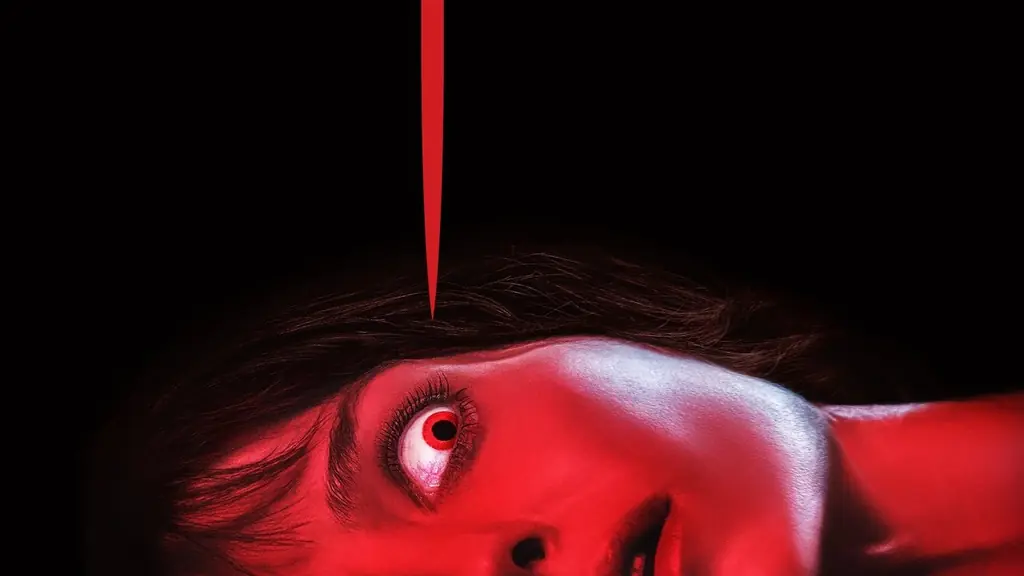
From the mind of horror maestro James Wan comes Malignant, a film that promised a return to original, unsettling terror. Audiences were primed for a fresh take on the genre, following a woman, Annabelle Wallis as Madison, plagued by terrifying visions of brutal killings, only to discover these nightmares are horrifying realities. The setup hints at a ghostly, psychological thriller, but what unfolds is a genre-bending spectacle that constantly shifts its identity.
The Lead Dynamic & The Action
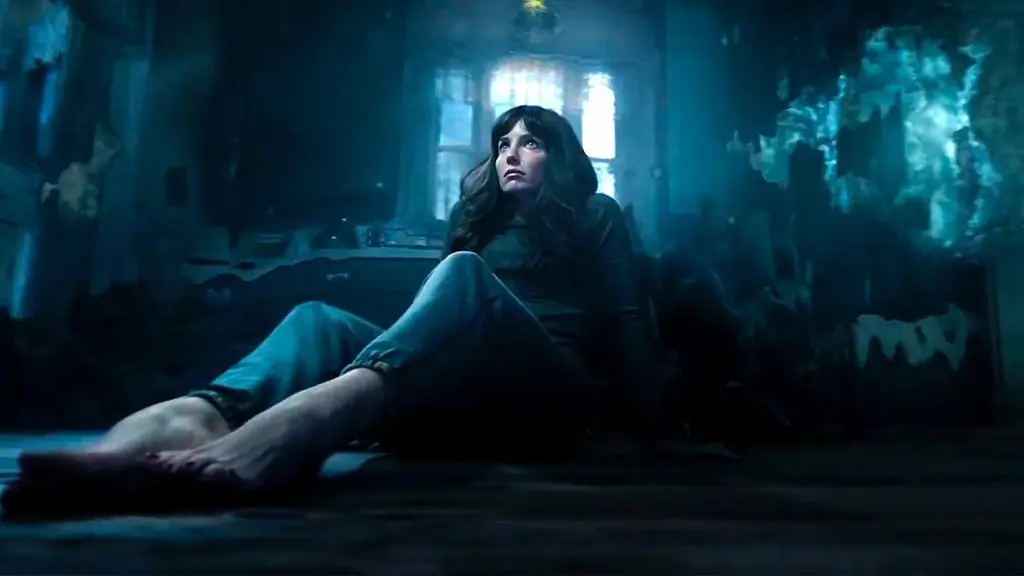
At the heart of this chaotic ride is Annabelle Wallis, whose performance anchors the film amidst its escalating absurdity. She delivers a compelling lead, often elevating the material around her, especially when some supporting cast members, particularly in the initial setup, lean into unintentional cheese. However, where Malignant truly shines is in its commitment to action and gore. The final act transforms into a stylish, no-holds-barred action sequence, delivering throwdowns that are genuinely "sweet." This isn't a film that shies away from the red stuff; expect plenty of blood and unflinching violence, with no cutaways during the stabbings and flying gore. It's a visceral experience that ensures you're never bored, even if you're often bewildered.
Cameos, Nostalgia & Narrative Stakes
Malignant attempts to evoke a sense of throwback horror, but perhaps misses the mark on which era to emulate. Instead of the gritty 70s, the inventive 80s, or the self-aware 90s, it lands squarely in the mid-2000s horror aesthetic. While that era certainly had its fun slasher flicks, this particular homage feels less intentional and more like a missed opportunity for genuine self-awareness. The narrative, which quickly pivots into a mystery, unfortunately, proves to be quite predictable. Viewers might find themselves piecing together the puzzle long before the on-screen detectives, diminishing the suspense. The film also draws vague comparisons to certain Stephen King stories, hinting at a premise that, once recognized, makes the plot twists feel less surprising and more inevitable.
Tone, Direction & Creative Freedom
One of Malignant's most perplexing aspects is its struggle with tone. It begins as a "James Wan-ish" ghostly horror, transitions into a not-so-mysterious investigative thriller, and culminates in an action-packed gore-fest. It feels less like a cohesive vision and more like a roundtable discussion where three different movie concepts were forced into one. The film never quite embraces the self-aware campiness that could have made its cheesy elements work. Instead, it often feels like it's trying to be serious while simultaneously executing its "cool concept" in the most "ridiculous way possible." This tonal whiplash, while certainly memorable, leaves the audience questioning the film's true identity.
The Final Verdict
Malignant is a film that defies easy categorization and certainly won't be forgotten. It's a bloody, stylish, and utterly ridiculous journey that, despite its flaws, carves out a unique space in the horror landscape. While its predictability and tonal inconsistencies might frustrate some, its sheer audacity and commitment to over-the-top action make it a bizarrely compelling watch. It's the kind of movie that might just be better enjoyed with a relaxed mindset, perhaps even a drink in hand, ready to embrace the glorious chaos.
What Worked
- [[person:82809|Annabelle Wallis]] delivers a standout lead performance.
- The final act explodes into stylish, no-holds-barred action.
- Unflinching gore with no cutaways during violent scenes.
- Presents a genuinely cool, albeit bizarre, core concept.
- A uniquely memorable and unforgettable viewing experience.
What Didn't Work
- Some supporting performances lean heavily into unintentional cheese.
- Lacks the self-awareness needed to fully embrace its camp.
- The mystery element proves surprisingly predictable.
- Feels like a disjointed blend of three different film ideas.