
Introduction
The young adult movie genre, once a dominant force, has quietly receded, leaving audiences to wonder if its era has truly concluded. Yet, the final chapter of the Maze Runner saga, Maze Runner: The Death Cure, arrives to tie up loose ends. Following the "remarkably enjoyable" first film and the less memorable "Scorch Trials," this third installment faces the challenge of concluding a trilogy that has seen its share of highs and lows.
The Lead Dynamic & The Action
From its opening frames, Maze Runner: The Death Cure plunges viewers into a "Mad Max-ish" world, immediately setting the stage for a high-stakes rescue mission. The film's core strength lies in the undeniable charisma of its lead, Dylan O'Brien. Even when the narrative occasionally falters, O'Brien consistently delivers a compelling performance, carrying much of the film's emotional weight and action. The dynamic between O'Brien's character and his friend forms the true heart of the movie, providing a much-needed anchor amidst the chaos.
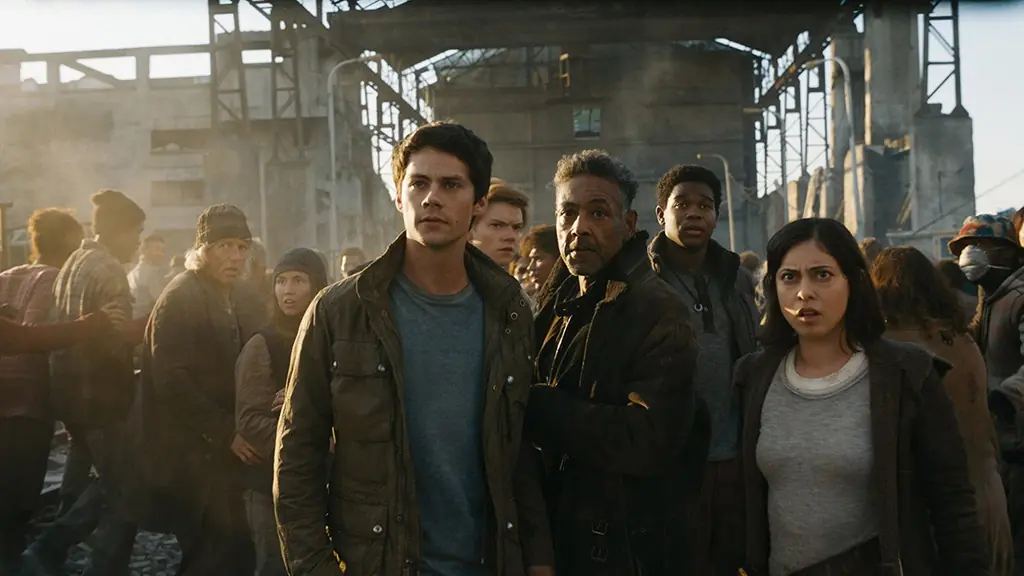
The action sequences are a highlight, particularly the climactic moments where the intensity ratchets up considerably. What truly elevates these scenes is the meticulous attention to background detail; "stuff is always happening," making the world feel genuinely lived-in and the threats palpably real. This commitment to a bustling, dangerous environment ensures that the stakes feel constant, even during quieter moments.

Cameos, Nostalgia & Narrative Stakes
One significant hurdle for many viewers will be the film's assumption of prior knowledge. Coming into Maze Runner: The Death Cure, a quick recap of "Scorch Trials" would have been invaluable, as the film offers no such courtesy. This lack of a refresher can leave some feeling adrift, especially given the time elapsed since the previous installment. While "Blade Runner 2049" and even "Spider-Man 3" understood the need for context, this film throws audiences straight into the fray, starting with a "Mad Max steals a train" sequence that, while exciting, might confuse those not perfectly up-to-date.
The narrative, unfortunately, leans heavily on familiar tropes. Many elements feel borrowed from other films, leading to a sense of déjà vu. The romantic subplots, in particular, fail to resonate, leaving audiences largely indifferent to the characters' emotional entanglements or the overarching goal of curing the world. This detachment from the characters' personal stakes ultimately diminishes the impact of the larger conflict.
Tone, Direction & Creative Freedom
Directed by Wes Ball, the film functions best as an infiltration movie, offering baseline entertainment despite its two-and-a-half-hour runtime. The pacing, however, is a notable issue; the film often feels stretched, suggesting that a tighter, two-hour cut would have been more effective. While it doesn't break new ground, its commitment to a gritty, post-apocalyptic aesthetic is consistent.
The film is replete with cliches, which, while not inherently terrible, can test the patience of viewers depending on their tolerance for familiar narrative beats. The ending, as the concluding chapter of a trilogy, feels somewhat unfulfilled, leaving a lingering sense that perhaps more could have been explored or resolved.
The Final Verdict
Maze Runner: The Death Cure is an uneven but ultimately watchable conclusion to the saga. It significantly improves upon its immediate predecessor, largely thanks to Dylan O'Brien's compelling performance and the genuine chemistry he shares with his on-screen friend. While it struggles with pacing, relies on numerous cliches, and could have benefited from a narrative recap, the film delivers enough action and a lived-in world to satisfy fans looking for closure. It might not be a groundbreaking cinematic experience, but for those invested in the journey, it offers a decent, if occasionally frustrating, farewell.
What Worked
- Dylan O'Brien's charismatic performance elevates the film.
- The central friendship provides a strong emotional core.
- Engaging and intense action sequences, especially the climax.
- Detailed background action makes the world feel lived-in.
- A noticeable improvement over the second installment.
What Didn't Work
- Pacing issues make the two-and-a-half-hour runtime feel excessive.
- Heavy reliance on familiar movie clichés and tropes.
- Lack of a recap for previous events leaves some viewers confused.
- Romantic subplots fail to engage or add significant depth.
- The ending feels somewhat unfulfilled for a trilogy closer.



