Introduction
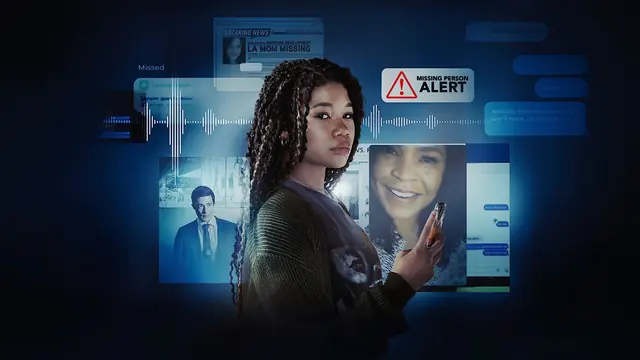
The digital detective story returns with Missing, a film that plunges audiences into a gripping mystery told entirely through the lens of screens. Following in the innovative footsteps of its spiritual predecessor, this standalone thriller promised a fresh take on the missing persons genre, and it largely delivers.
The Lead Dynamic & The Action
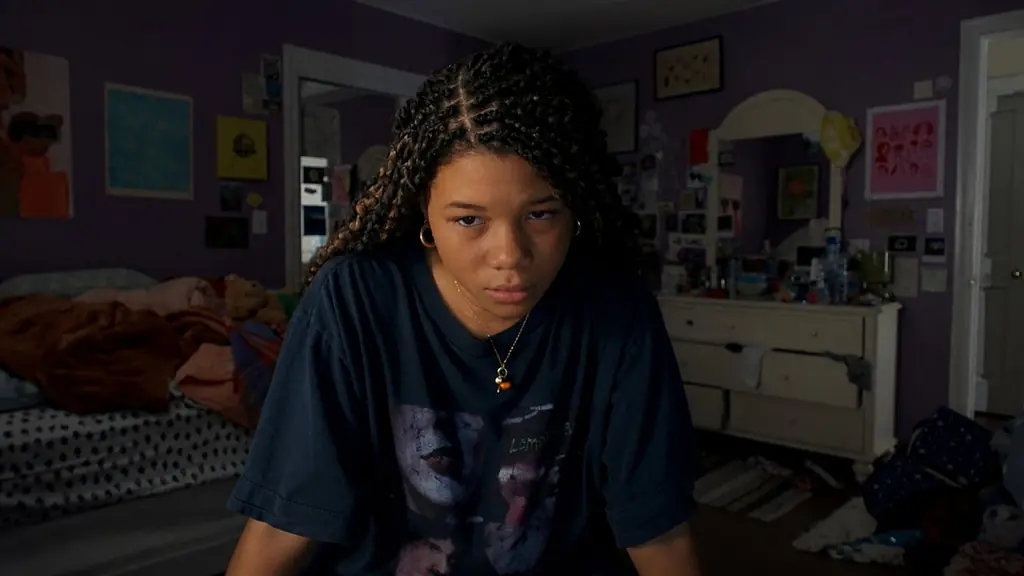
At the heart of Missing is a truly remarkable performance by Storm Reid. Carrying the emotional weight of the entire film, Reid is on screen for the vast majority of the runtime, tasked with conveying a spectrum of heartfelt and emotional reactions single-handedly. Her ability to anchor the narrative is critical; without her compelling portrayal, the intricate digital investigation simply wouldn't land. While traditional actor-on-actor chemistry is replaced by video calls and text exchanges, the film's ingenious editing ensures that even unseen characters feel human and relatable. Moments where a text response pauses before appearing, for instance, add a layer of authentic human hesitation, keeping the audience engaged with every digital interaction.
Cameos, Nostalgia & Narrative Stakes
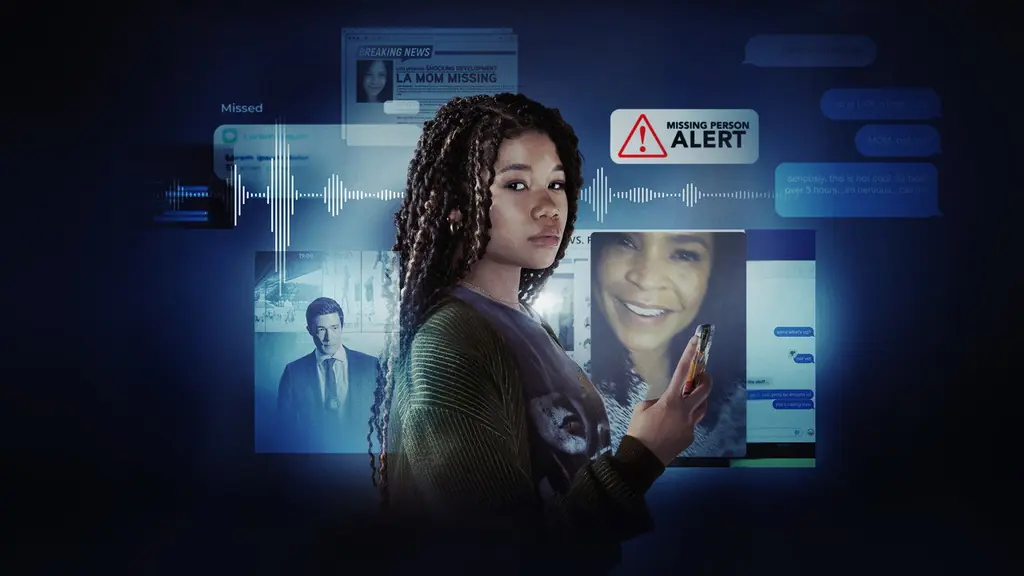
The narrative of Missing is a masterclass in sustained tension and unraveling mystery. From the moment the investigation begins, the film keeps audiences enthralled, constantly introducing new twists and turns. The detailed unfolding of clues, all presented through screen shares and app interfaces, ensures that viewers are actively piecing together the puzzle alongside the protagonist. There's a palpable sense of being lost at times, mirroring the character's own confusion, which only deepens the immersion. While the film navigates its complex plot, it maintains a relentless pace, ensuring that the audience is always wondering what digital breadcrumb will appear next.
Tone, Direction & Creative Freedom
The directorial vision of Nicholas D. Johnson is evident in every frame—or rather, every screen. The editing in Missing is nothing short of incredible, seamlessly jumping between various apps and digital interfaces. This isn't just a technical feat; it's a storytelling device that injects personality and humor into mundane tasks like password recovery, making the characters feel more human and relatable. The attention to detail is paramount, transforming what could be a sterile viewing experience into a dynamic and engaging one. Even when the narrative briefly flirts with a moment that might seem to "jump the shark," the film quickly rights itself, demonstrating a confident command of its unique format.
The Final Verdict
Ultimately, Missing is an incredibly gripping and engaging mystery that delivers a genuinely great time. It’s a testament to the screen-life format's untapped potential, proving that compelling storytelling can thrive within these digital confines. For anyone seeking a fresh, twist-filled thriller that keeps you guessing until the very end, this digital whodunit is an absolute must-see.
What Worked
- Storm Reid's captivating solo performance.
- Ingenious and immersive screen-life format.
- Gripping, twist-filled mystery that keeps unraveling.
- Exceptional, personality-driven editing.
- Relatable character interactions despite the digital medium.
What Didn't Work
- A brief moment that might test the audience's suspension of disbelief.
- The screen-life format, while innovative, may not appeal to all viewers.
- Relies heavily on a single actor's performance to drive emotional depth.