Introduction
After a series of pandemic-induced delays, Morbius finally clawed its way into theaters, not with a bang, but with a whimper. The anticipation, once perhaps a faint pulse, had flatlined long before release. The studio's confidence, or lack thereof, was glaringly apparent when the review embargo lifted a mere twelve hours before the public could see the film. This move often signals one of two things: either a bombshell reveal so massive it must be protected, or a film so troubled the studio hopes to minimize negative buzz until tickets are sold. For Morbius, it was decidedly the latter, setting the stage for a cinematic experience that struggles to find its footing from the very first frame.
The Lead Dynamic & The Action
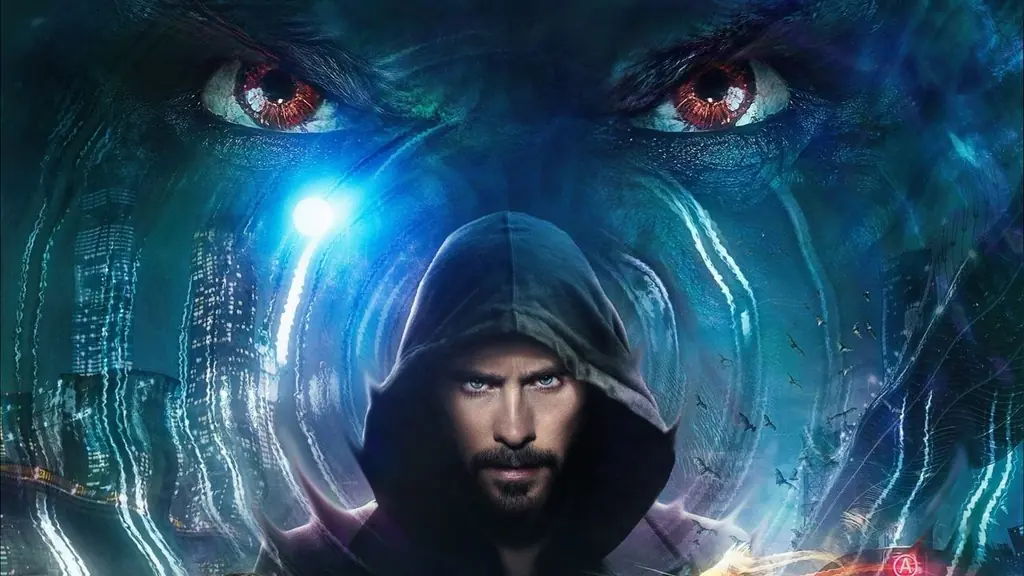
Jared Leto steps into the role of Michael Morbius, the brilliant but ailing scientist desperate for a cure to his rare blood disease. His performance, while not particularly memorable, is described as "fine"—a rather muted assessment for an actor known for his eccentric roles. Ironically, the living vampire becomes one of his least outlandish characters. The core concept of a man grappling with a monstrous transformation holds initial promise, but the execution quickly falters. The film introduces synthetic blood as Morbius's sustenance, a narrative choice that feels less like clever science and more like a transparent attempt to sidestep the implications of a true vampire story. This decision, seemingly driven by a desire for a palatable PG-13 rating, strips the film of any genuine stakes or visceral impact.
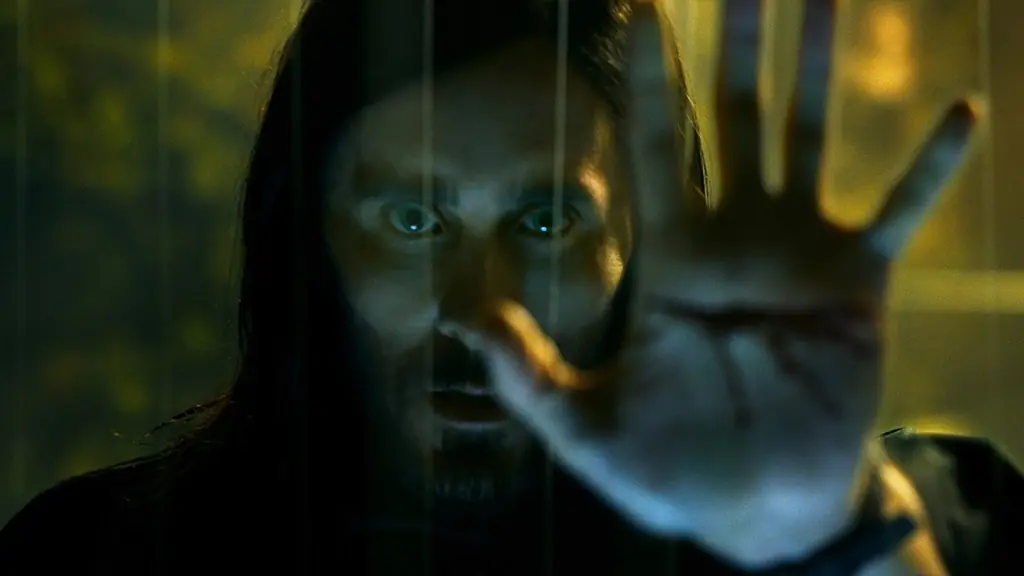
When the action inevitably kicks off, it devolves into a "90 minute CGI mess." Fight sequences are a blur of close-ups, debris, and tumbling bodies, making it nearly impossible to discern what's happening. The visual effects, particularly when Morbius and his adversary transform into their "monster face" forms, are uninspired and repetitive. The film attempts to convey violence through sound effects—the "glug glug glug" of blood—but conspicuously omits any actual blood on screen. This creates a bizarre disconnect, leaving audiences with the impression of a heavily censored product, where the consequences of vampiric attacks are implied rather than shown, further diluting the film's potential for genuine horror or excitement.
Cameos, Nostalgia & Narrative Stakes
Morbius struggles with its narrative pacing, rushing through exposition in a desperate attempt to cram information into the shortest possible runtime. This results in a story that feels stitched together, lacking the necessary breathing room for character development or plot points to marinate. The film's predictability is another significant drawback; audiences will likely see every twist and turn coming from a mile away. Adding to the confusion is the misleading marketing, particularly the inclusion of Michael Keaton in the trailer, whose actual presence in the film is minimal, if not entirely relegated to a post-credits scene that many won't bother to stay for. This kind of fan service without substance only highlights the film's struggle to establish its own identity and narrative stakes.
Tone, Direction & Creative Freedom
Daniel Espinosa's direction feels constrained, as if the film was constantly battling against studio mandates. The pacing issues are pervasive, making the 104-minute runtime feel both rushed and drawn out in equal measure. Scenes are edited to deliver information quickly, often at the expense of emotional resonance or narrative clarity. The decision to use synthetic blue blood, rather than animal blood, for instance, underscores a creative timidity that permeates the entire production. This constant push-and-pull between a potentially darker concept and a sanitized PG-13 execution leaves Morbius in an awkward tonal limbo. It feels like a film that was originally conceived with more ambition, only to be heavily re-edited and diluted into a product that satisfies neither horror fans nor superhero enthusiasts.
The Final Verdict
Ultimately, Morbius feels like a relic from a bygone era of comic book cinema—a "schlocky" entry reminiscent of the less inspired adaptations before the genre truly found its footing. It's a film that had an interesting concept but failed spectacularly in its execution, delivering a "lifeless movie" despite its "living vampire" premise. The repetitive animations, the muddled CGI, and the baffling editorial choices combine to create an experience that is largely forgettable and, at times, genuinely frustrating. While it might have made for an interesting video game concept, its cinematic realization falls flat, proving that not every comic book character needs their own big-screen outing, especially when the final product is this anemic.
What Worked
- Jared Leto's performance is adequate for the role.
- The initial concept of a living vampire holds some intrigue.
- Al Madrigal provides a brief, humorous presence.
- Attempts to explore the moral dilemma of vampirism.
What Didn't Work
- Pacing is severely rushed and uneven.
- Action sequences are muddled, repetitive CGI messes.
- PG-13 rating leads to a bloodless, sanitized vampire story.
- Plot is highly predictable with little narrative depth.
- Misleading marketing regarding character appearances.