Introduction
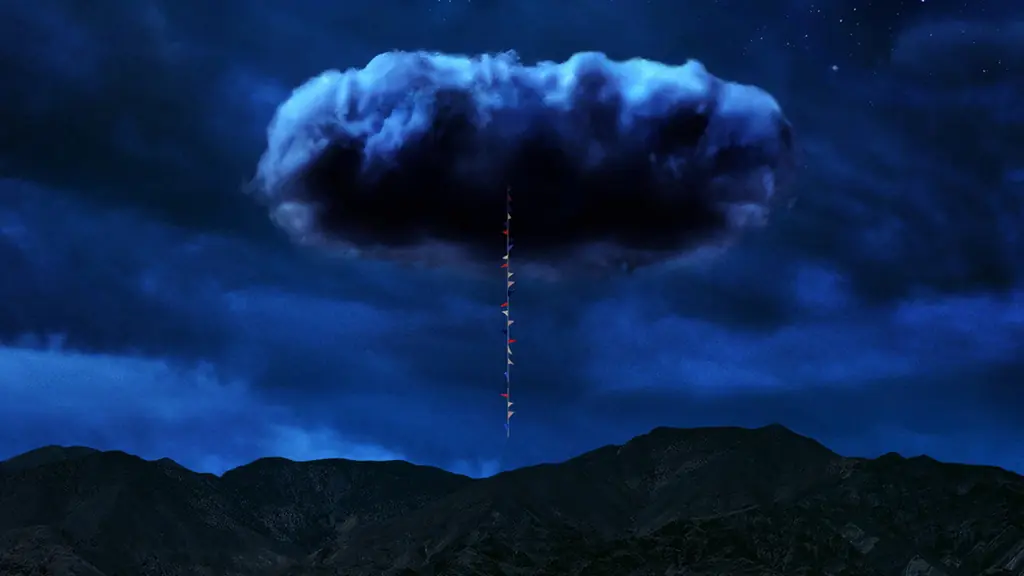
Jordan Peele's third cinematic outing, Nope, arrived with considerable anticipation, promising another genre-bending experience from the acclaimed filmmaker. Audiences were eager to see what new horrors or social commentaries Peele would unleash. The film introduces us to siblings Daniel Kaluuya and Keke Palmer, owners of a remote California horse ranch. After an inexplicable event, they stumble upon something extraordinary in the sky, setting off a quest to capture definitive video evidence of the phenomenon. This premise quickly escalates, delivering what has been aptly described as pure spectacle.
The Lead Dynamic & The Action
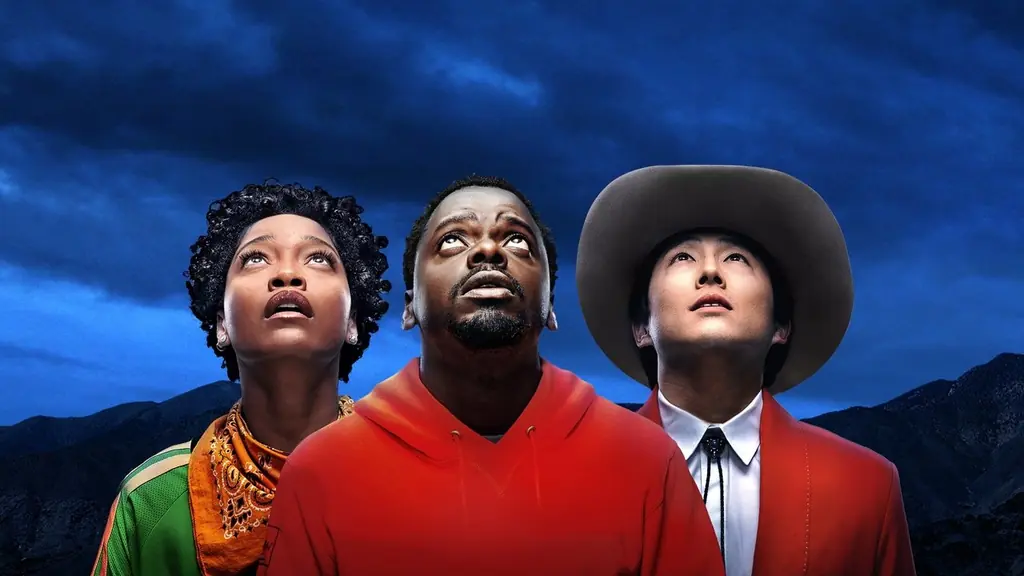
The cast in Nope is undeniably strong, with Daniel Kaluuya and Keke Palmer anchoring the narrative as the central brother-sister duo. Keke Palmer emerges as the undeniable standout, bringing an energetic charisma that lights up every scene she's in. Her performance is engaging, and much of the film's humor stems directly from her character. In contrast, Daniel Kaluuya delivers a more reserved, stoic portrayal, creating an effective dynamic between the two leads. Interestingly, Nope is funnier than Peele's previous films, Get Out and Us, yet this humor never compromises the building tension. The comedic beats feel natural, seamlessly integrated without warring against the suspense. The film truly hits its stride and reaches its height when the core quartet, including supporting characters like Brandon Perea and Steven Yeun, are working together, their combined dynamic elevating the experience.
Cameos, Nostalgia & Narrative Stakes
Nope presents itself almost as two distinct films. The first half, while serving as character development, can feel somewhat boring, leaving viewers with much the same understanding of the characters as they had from the second scene. However, this slow burn ultimately pays off, as the second half becomes genuinely enthralling. The narrative builds, creating a sense of climbing rather than a nose-dive, ensuring audiences leave with a positive feeling.
A notable side arc involving a chimp, while conceptually tied to one of the film's themes, ultimately feels disconnected from the main plot. This subplot could have been trimmed, potentially streamlining the pacing without diminishing the thematic impact. It's also crucial to clarify that Nope is not a horror movie, despite some initial perceptions or even Jordan Peele's stated desire to evoke horror reactions. It functions far more effectively as a thriller, boasting several scenes of intense tension. The film also draws clear parallels to a "very famous movie just wearing a UFO mask," prompting audiences to consider where the line between homage and outright replication lies.
Tone, Direction & Creative Freedom
Jordan Peele's directorial vision for Nope is distinct. He has spoken about his aim to recapture the visceral audience reactions he experienced watching horror films. There is one particular scene in Nope that genuinely achieves this, eliciting screams and shouts from a packed auditorium – a moment so intense it made the hair stand up. Yet, this powerful, pure horror moment is isolated, never to be replicated. This choice suggests Jordan Peele might be deliberately defying audience expectations or even playfully "trolling" them, acknowledging what they might want but delivering something else entirely. The film's tone shifts from a deliberate, almost languid pace in its opening to a gripping, high-stakes thrill ride, showcasing a director confident in his creative freedom to explore unconventional narrative structures.
The Final Verdict
Nope is one of those films that leaves a strong impression immediately after its exciting last act. It's a fun spin on the classic "UFO on the farm" plot, offering a unique cinematic experience. While some might find themselves reflecting on its imperfections later, the film ultimately lands in the middle ground – not a polarizing love-it-or-hate-it affair, but a solidly enjoyable watch. It's a worthwhile cinematic journey, especially for those seeking a fresh take on the thriller genre.
What Worked
- [[person:74688|Keke Palmer]]'s electrifying and charismatic performance
- Seamless integration of humor without sacrificing tension
- Strong, engaging dynamic among the four main characters
- An enthralling and satisfying second half that builds effectively
- A fresh and unique take on the UFO genre
What Didn't Work
- The first half can feel slow and somewhat boring
- The chimp subplot feels disconnected and could have been omitted
- Not a horror film, despite some expectations, functioning more as a thriller
- Pacing issues due to the stark contrast between the two halves