
A Gory Dive into WWII's Darkest Secrets
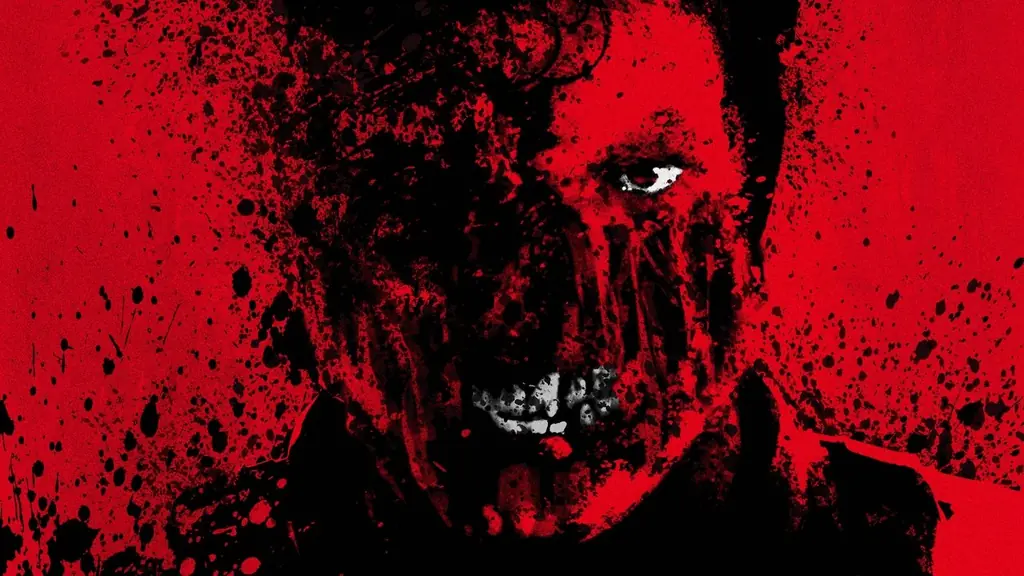
From the moment the premise of "Nazi zombies" hit the airwaves, Overlord promised a wild ride. Audiences were primed for a genre-bending spectacle, a blend of historical warfare and grotesque horror. While the trailers hinted at a full-blown zombie apocalypse, the film carves its own path, delivering a surprisingly grounded war movie with a horrifying, albeit contained, supernatural twist.
Intense Action and Unforgettable Characters
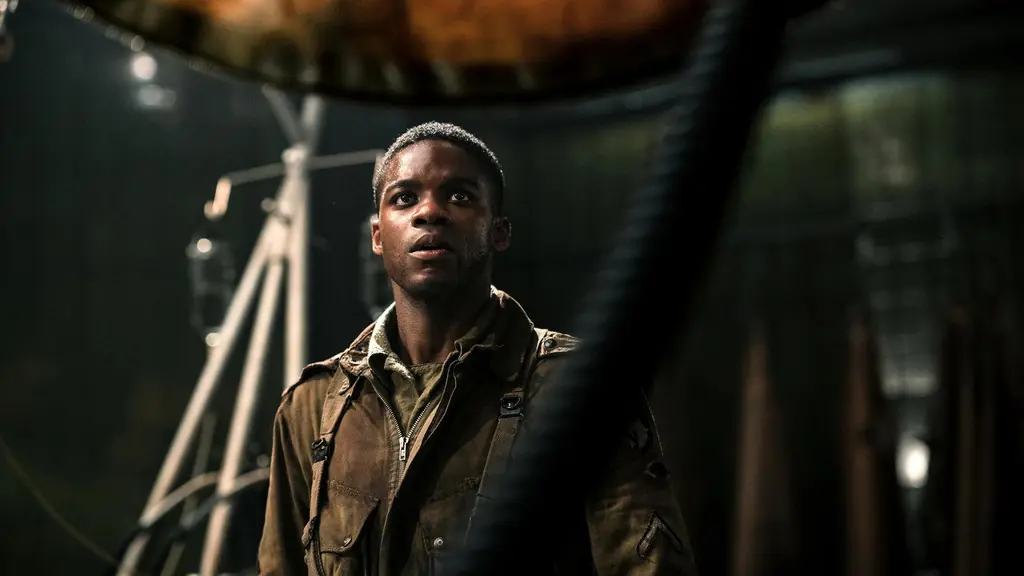
Julius Avery’s direction immediately hooks viewers with an absolutely insane parachute crash scene—a sequence so intense it sets a high bar for the rest of the film. The gunfights and set pieces are genuinely impressive, showcasing a commitment to visceral action. The film doesn't shy away from violence, often unsettlingly so, leaning into its "grade-B" elements with a "grade-A" execution. The cast, including Jovan Adepo and Wyatt Russell, delivers solid performances. Russell, in particular, embodies the hardcore corporal, a duty-bound leader whose gravelly voice occasionally evokes a surprising resemblance to Nicolas Cage. The dynamic between the stoic leader, the snarky soldier, and the more heroic protagonist provides a compelling human element amidst the chaos.
Pacing, Stakes, and the Zombie Question
Despite its thrilling opening, Overlord experiences a noticeable lull as the soldiers regroup in a French house. The film takes itself quite seriously, perhaps a bit too much for a premise involving Nazi zombies, especially when compared to the unapologetic grindhouse fun of something like "Planet Terror." The biggest point of contention for some might be the limited number of actual zombies. This isn't a zombie apocalypse; it's a World War II mission with a secret Nazi lab creating a handful of undead threats. Those expecting hordes of the undead might be disappointed, as the film prioritizes its war narrative first, with the zombie element serving as a horrifying side quest rather than the main event. However, when the zombie encounters do happen, they are genuinely intense and effective.
A War Film with a Horrific Edge
Overlord ultimately succeeds by treating itself as a war movie first and foremost. The execution of the war elements feels remarkably real and legitimate, often more intense than many contemporary war films. The horror elements, while sparse, are impactful, adding a unique, disturbing layer to the D-Day mission. The film manages to blend its disparate genres without fully committing to either extreme, creating a distinct experience that is both brutal and thrilling.
The Final Verdict
For those seeking a gritty, intense World War II film with a genuinely disturbing, albeit contained, supernatural twist, Overlord delivers. It's a pretty good time, especially if you go in expecting a war movie about American soldiers blowing up an antenna and beating up an SS officer, with the added bonus of a secret Nazi zombie lab. It's a hardcore, violent ride that earns its R-rating and provides plenty of visceral thrills.
What Worked
- Intense and visceral opening parachute crash sequence
- Effective and brutal war action sequences
- Strong performances from the lead cast
- Unique blend of war and horror genres
- Unsettlingly violent and gory when the horror elements kick in
What Didn't Work
- Pacing issues with a noticeable lull after the opening
- Limited number of actual zombies, not a full-blown apocalypse
- Takes itself a bit too seriously for its B-movie premise
- Could have introduced the zombie element earlier or more frequently



