Introduction
Pinocchio (1940) isn't just a film; it's a foundational pillar of animated storytelling, a benchmark against which all subsequent adaptations are measured. This original Disney classic, directed by Hamilton Luske, plunges audiences into a world of wonder and genuine peril, crafting a morality tale so potent it continues to resonate decades later. From its breathtaking hand-drawn animation to its unforgettable musical numbers, the film established a gold standard for the medium. It’s the kind of cinematic experience that leaves an indelible mark, proving that animation can be both enchanting and profoundly impactful, shaping childhoods and instilling crucial lessons about honesty and consequence. The film's enduring legacy is a testament to its masterful execution and its fearless approach to storytelling.
The Lead Dynamic & The Action
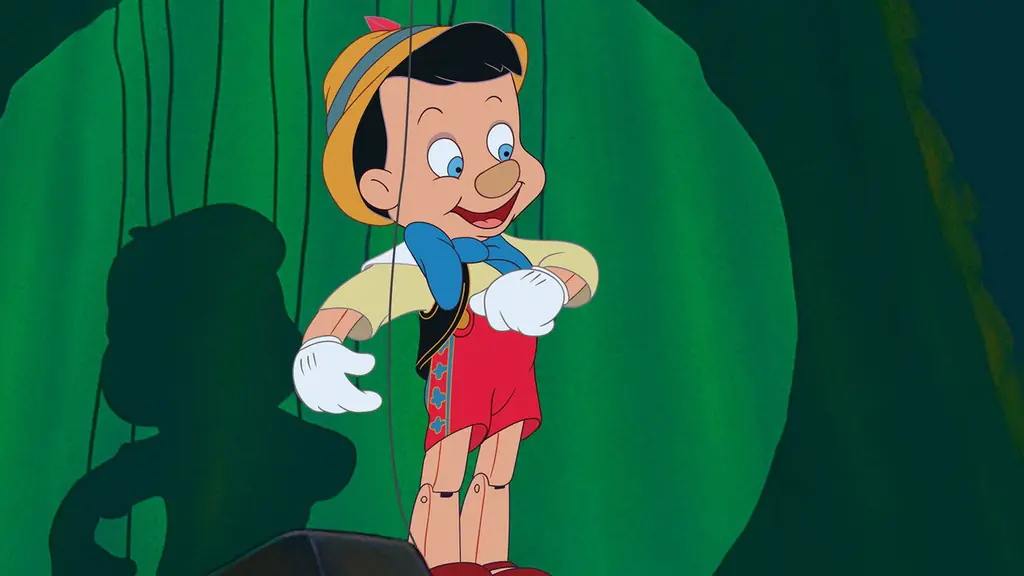
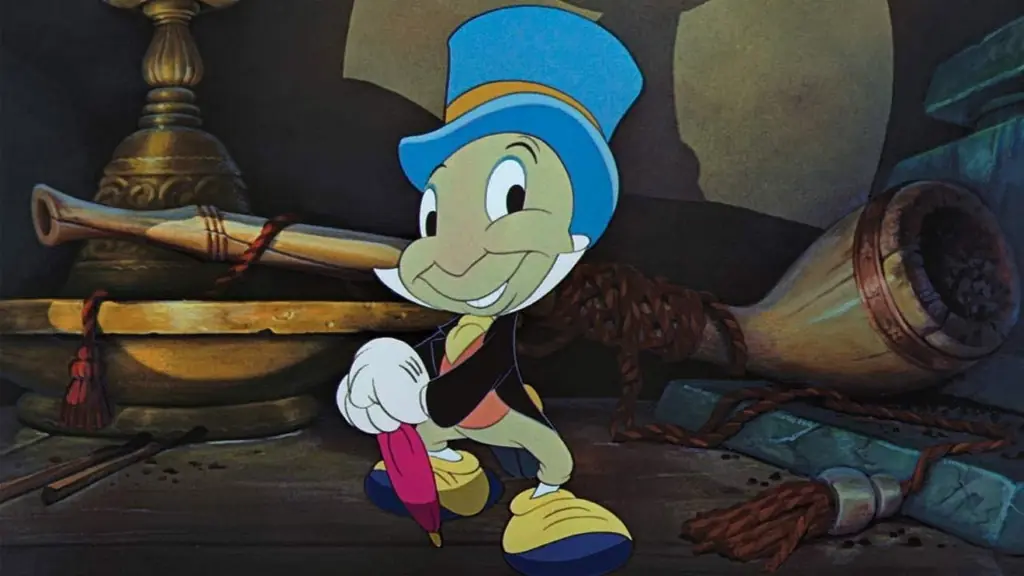
At its heart, Pinocchio thrives on its compelling characters and their intricate relationships. The titular puppet, voiced with an innocent curiosity by Dickie Jones, is a character whose journey from wooden toy to real boy is fraught with temptation and learning. Guiding him, often reluctantly, is the ever-charming Jiminy Cricket, brought to life with witty warmth by Cliff Edwards. Jiminy Cricket serves as the film's moral compass, a character so well-realized that his presence alone elevates the narrative, offering both comic relief and profound wisdom. Geppetto, voiced by Christian Rub, embodies a heartwarming vulnerability and boundless love, making his desperate quest for his lost son deeply affecting and relatable.
But it’s in the film's action and suspense where its true power shines, creating moments that are etched into cinematic history. The terrifying encounter with Monstro, the giant whale, is a masterclass in animated horror and tension. The sheer scale and ferocity of the creature, combined with the meticulously crafted "scary noises" of its sound design, amplify the fear factor to an almost unbearable degree. This sequence, along with Pinocchio's desperate escape, showcases the film's ability to deliver thrilling, high-stakes action that keeps viewers on the edge of their seats, proving that animated films can be just as intense and gripping as any live-action adventure.
Cameos, Nostalgia & Narrative Stakes
This is where Pinocchio truly distinguishes itself: its unwavering commitment to narrative stakes and a powerful, uncompromising morality lesson. The film doesn't shy away from depicting the dark and often terrifying consequences of poor choices and disobedience. Characters like the deceitful Honest John, voiced with cunning charm by Charles Judels, are genuinely menacing figures, making the dangers of talking to strangers and falling for deceptive promises feel acutely real and immediate. The film effectively conveys that "if you talk to a stranger when you're walking home from school it's going to end very badly."
The infamous journey to Pleasure Island is perhaps the most potent example of the film's fearless storytelling. Here, disobedient boys indulge in reckless behavior, only to suffer a horrifying transformation into donkeys and be sold into brutal servitude. This unflinching portrayal of consequences—where "if you go to Pleasure Island you don't listen to your conscience do whatever your heart desires obviously you're going to turn into a donkey and get sold to the salt mines of Hell"—amplifies the film's moral weight and makes the lessons about listening to one's conscience unforgettable. The original animation "had a little more, made it a little darker, had scenarios that just amplified the fear factor," ensuring that the lessons about conscience, action, and the importance of truth are deeply felt and genuinely impactful, rather than merely stated. The film understands that "consequences should be scary otherwise why not do them."
Tone, Direction & Creative Freedom
Pinocchio is a testament to uncompromising storytelling and artistic integrity. The film never "plays it safe," embracing a tone that is both whimsical and profoundly frightening, a delicate balance that few films achieve. Its direction, under Hamilton Luske, allows the narrative to explore the darker facets of human nature, temptation, and consequence without dilution. This is not a "nerfed version" of a story; it's the full, potent "glass of orange juice" that delivers its message with clarity, emotional depth, and visceral impact. The film's ability to "traumatize" young children isn't a flaw, but rather a testament to its effectiveness in conveying the gravity of its moral lessons and the real-world dangers it illustrates.
Every element, from the vibrant animation to the evocative score, works in harmony to create a cohesive and powerful experience. The pacing is meticulous, ensuring that every beat serves the overarching narrative and character development. This conciseness and effectiveness in delivering its profound lessons make it a truly timeless piece of cinema, a work of art that prioritizes its message and artistic vision over saccharine sweetness or commercial compromise. It's a film that respects its audience enough to present the world, and its dangers, with unflinching honesty.
The Final Verdict
Pinocchio stands as the "gold standard" of animated storytelling, a film that has rightfully earned its place in the pantheon of cinematic classics. It's a film that asks profound questions about what it means to be human, to have a conscience, and to face the consequences of one's actions, all wrapped in stunning animation. With its iconic characters, breathtaking artistry, and a narrative that is both enchanting and genuinely terrifying, it remains "everything that is but better." This is a film with true soul, a classic that continues to educate, captivate, and even "scare the living piss" out of audiences, proving that some stories are best told with an unyielding commitment to their original, powerful, and often dark vision. Its legacy is secure, not just as a piece of entertainment, but as a vital moral fable for all ages.
What Worked
- Unflinching and impactful morality tale.
- Genuinely scary sequences (Monstro, Pleasure Island).
- Iconic and well-developed characters like Jiminy Cricket.
- Superior animation and sound design.
- Concise and effective storytelling.
What Didn't Work
- Can be genuinely frightening for very young or sensitive viewers.
- Its intense portrayal of consequences might be overwhelming for some.