Introduction
For years, the mere mention of a new Predator film has been met with a collective sigh, a weary acknowledgment of a franchise struggling to recapture its former glory. History, it seems, has taught us to temper expectations. Yet, against all odds, Prey arrives, not just as a pleasant surprise, but as a visceral, back-to-basics triumph that reminds us why we fell in love with the hunt in the first place. Set in the untamed American wilderness of the 1700s, this prequel introduces us to Naru, played by Amber Midthunder, a young Comanche woman whose keen tracking skills and fierce spirit are dismissed by her tribe. She senses a threat far greater than any bear, an apex predator from another world, setting the stage for an underdog, coming-of-age story that feels both fresh and deeply rooted in the franchise's core.
The Lead Dynamic & The Action
Prey wisely dedicates its initial half-hour to character development, allowing audiences to connect with Naru, her brother Taabe (Dakota Beavers), and their community. The bond between Naru and her loyal dog, Sarii, adds a layer of emotional tension, particularly when the canine companion finds itself in peril. This personal investment pays off handsomely as the hunt intensifies. The film's violence is undeniably R-rated, though some visual cuts occasionally pull back from the full impact. However, where it truly shines is in its creative kills and, more importantly, its exceptional sound design. Every rip, slash, gut, and decapitation is amplified by a satisfying, modern "Mortal Kombat-esque" audio landscape that makes every blow resonate. The Predator itself, portrayed by Dane DiLiegro, is a deliciously savage force, often preferring to engage in hand-to-hand combat rather than immediately resorting to its advanced weaponry. This primal approach to the hunt makes for some truly brutal and engaging sequences.

Cameos, Nostalgia & Narrative Stakes
What makes Prey stand out is its commitment to a smaller, more personal scale, echoing the intimate terror of the original film. Gone are the sprawling ensembles and convoluted plots; here, it's a focused battle for survival between human, nature, and alien. This approach allows the narrative to breathe, building tension organically rather than relying on cheap fan service. While the film largely succeeds in its execution, the final act does present a few narrative "leaps" that might strain credulity for some. The conclusion, in particular, feels a touch too easy, lacking the full payoff one might expect after such a relentless build-up. Despite this, the film maintains a strong sense of narrative stakes, ensuring that every encounter with the Predator feels genuinely dangerous.
Tone, Direction & Creative Freedom
Under the direction of Dan Trachtenberg, Prey maintains a tight, efficient pace, clocking in at a lean 1 hour and 40 minutes (including credits). This focused runtime is a welcome change in an era of bloated blockbusters, proving that a compelling story doesn't need to overstay its welcome. The film's tone is consistently tense and thrilling, punctuated by moments of genuine character development. One minor quibble arises with the Predator's evolving design across the franchise; a return to the simpler, more iconic look of the original would have been appreciated. Nevertheless, Trachtenberg's vision feels uncompromised, delivering a film that celebrates the spirit of the original while forging its own distinct identity.
The Final Verdict
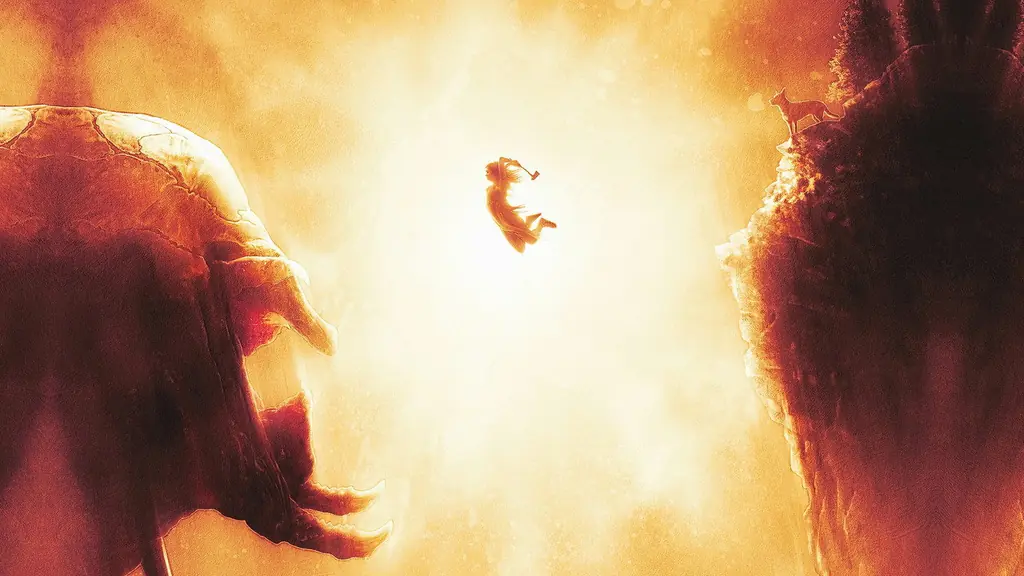
Prey is a solid, fun time that successfully revitalizes a beloved franchise. It champions the underdog, delivers creative and brutal action, and embraces the smaller, more personal scale that made the original so impactful. It's a film that stands on its own merits, rather than merely emulating its predecessors. For those craving a return to primal, unadulterated Predator action, look no further. This is the hunt you've been waiting for, and it's available to stream right now.
What Worked
- Compelling underdog story with a strong lead performance by [[person:1654001|Amber Midthunder]]
- Smaller, more personal scale reminiscent of the original Predator
- Creative and brutal kills enhanced by outstanding sound design
- The Predator's deliciously savage, hand-to-hand fighting style
- Tight, efficient 1 hour and 40 minute runtime
What Didn't Work
- Visuals sometimes cut away from the full gore of the kills
- The evolving Predator design is less preferred than the original's simplicity
- Final act feels a bit too easy and lacks a strong payoff