Introduction
After the cinematic missteps of past attempts to revive classic monsters, the stage was set for something truly different. Enter Renfield, a film that promised to unleash Nicolas Cage as the iconic Count Dracula in a hyper-violent, darkly comedic allegory about breaking free from toxic relationships. The anticipation for Cage's unhinged take on the Prince of Darkness was palpable, and for good reason—it's a role perfectly suited for his unique brand of cinematic intensity.
The Lead Dynamic & The Action
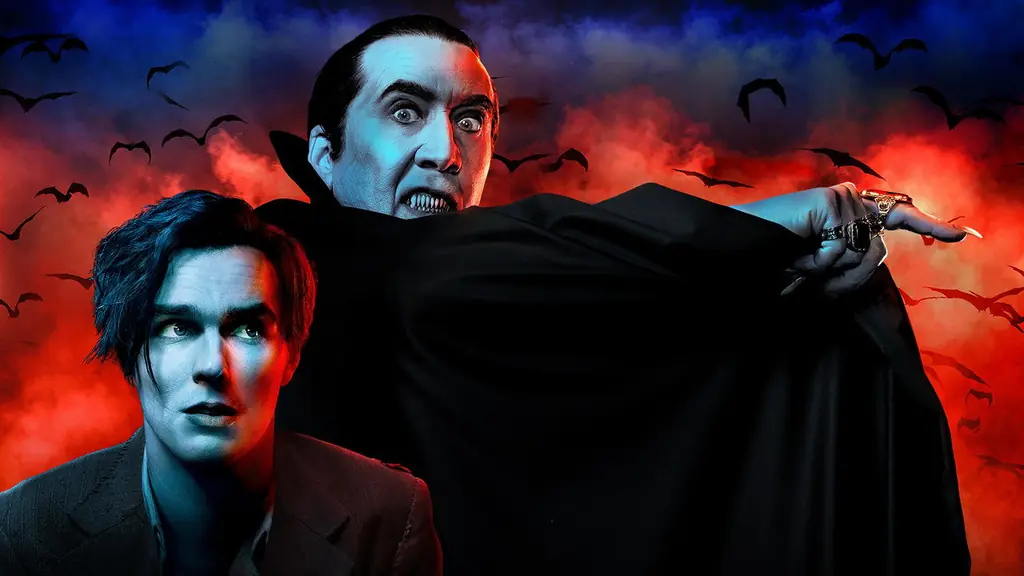
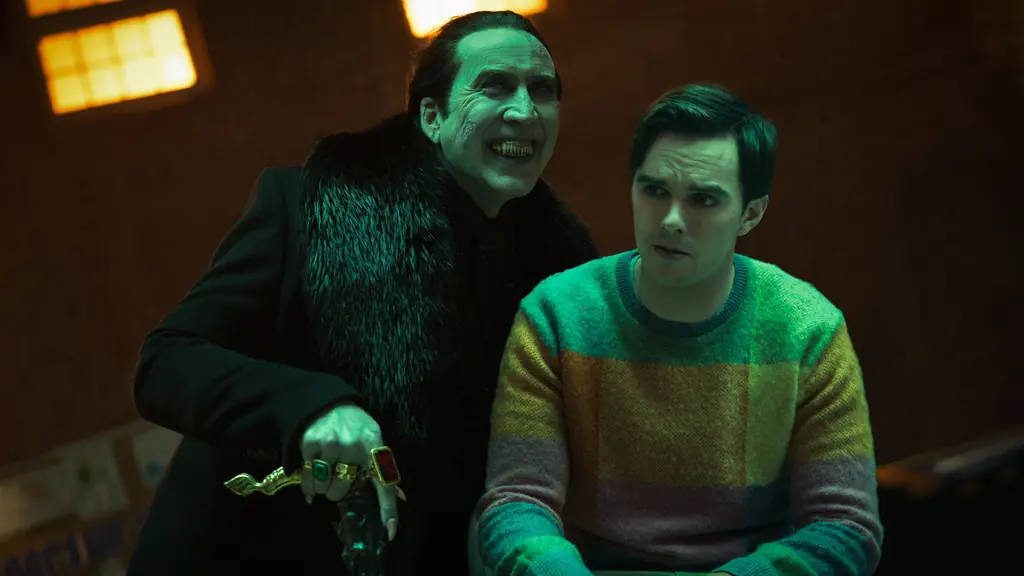
At its core, Renfield thrives on the electrifying dynamic between Nicholas Hoult's long-suffering familiar and Nicolas Cage's narcissistic Dracula. Their interplay is nothing short of awesome, with Cage delivering a performance that is both terrifying and uproariously funny, embodying the unhinged energy only he can bring. Hoult, in turn, showcases a refined comedic timing, perfectly portraying Renfield's struggle for independence.
When Renfield consumes bugs, he gains superhuman strength, leading to some truly spectacular and gory action sequences. Expect heads to be punched clean off and limbs to be ripped away in a ballet of blood and viscera. The film leans heavily into its R-rating, with blood and gore splattering across the screen in a way that feels less gratuitous and more like a delicious, dark comedy pairing—think peanut butter and honey, but with more arterial spray. These moments are exciting, bloody, and undeniably fun, proving that violence can indeed be hilarious when executed with such gleeful abandon.
Cameos, Nostalgia & Narrative Stakes
While the central Renfield-Dracula narrative is compelling, the film struggles with an identity crisis, feeling like two distinct movies awkwardly stitched together. The primary storyline, focusing on Renfield's journey to escape his abusive master, is genuinely engaging and well-executed, offering a clever allegory for toxic relationships. However, a significant portion of the film is dedicated to a secondary plot involving Awkwafina's character, a cop battling corrupt police and a mob family. This subplot, while potentially interesting on its own, feels entirely out of place within the context of a Dracula-Renfield story. It introduces characters and stakes that simply don't resonate with the core narrative, leaving audiences wondering where this came from and why they should care. This narrative detour significantly compromises the film's momentum, pulling focus from the elements that truly shine.
Tone, Direction & Creative Freedom
Director Chris McKay masterfully balances the hyper-violent action with genuine dark comedy, creating a tone that is both consistent and wildly entertaining. The film never shies away from its R-rated sensibilities, embracing the gore as a comedic tool rather than just shock value. The creative freedom afforded to the filmmakers is evident, allowing for an uninhibited exploration of the Dracula mythos through a modern, darkly humorous lens. When focused on its strengths, the direction is sharp, ensuring the audience is laughing even as heads explode.
The Final Verdict
Renfield is a bloody good time when it sticks to its strengths: the incredible dynamic between Nicolas Cage and Nicholas Hoult, and its commitment to hyper-violent dark comedy. The audience laughs are frequent and genuine during these moments. However, the film's momentum is undeniably hampered by its extraneous subplot, which feels like an entirely different movie vying for screen time. Despite this narrative misstep, the core performances and the sheer audacity of its gore-infused humor make it a worthwhile watch for those craving an unhinged, bloody romp.
What Worked
- Nicolas Cage's unhinged and perfect portrayal of Dracula.
- Nicholas Hoult's excellent comedic timing and performance.
- Exciting, bloody, and genuinely fun action sequences.
- Effective blend of dark comedy and over-the-top gore.
- A clever allegory for toxic relationships at its core.
What Didn't Work
- The secondary cop/mob subplot feels tacked on and unnecessary.
- The film struggles with a "two movies in one" problem.
- Momentum is compromised by the distracting side narrative.