Introduction
The return of legendary action filmmaker John Woo to Hollywood with Silent Night promised a unique cinematic experience. The premise alone was enough to pique interest: a revenge thriller where the protagonist, played by Joel Kinnaman, is rendered mute after a brutal injury, embarking on a quest for vengeance after his son's death. What truly sets this film apart, however, is not just the lead's silence, but the audacious decision to have virtually no dialogue from any character throughout the entire movie. It's a bold swing, aiming for a pure visual storytelling approach that had many wondering if it could truly deliver.
The Lead Dynamic & The Action
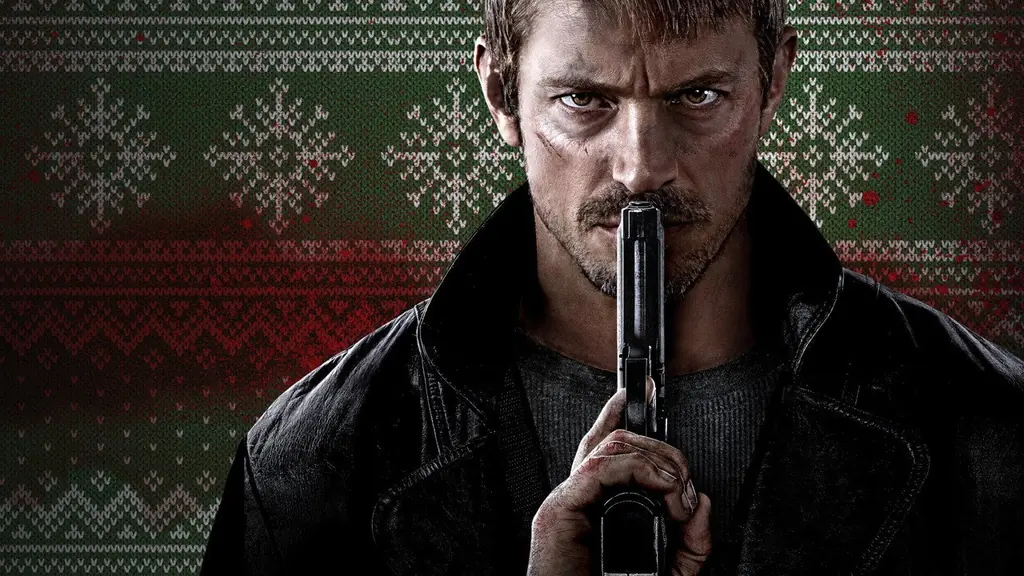
At its core, Silent Night centers on Joel Kinnaman's character, an everyday man—a husband and father—thrust into an extraordinary situation. He's not an ex-marine or a cop; he's just a grieving parent who, after healing from his own injuries, dedicates nine months to a rigorous training montage. This period sees him learning combat, marksmanship, and getting into shape, all seemingly from YouTube tutorials. It's a relatable, grounded approach to a revenge hero, making his eventual transformation into a formidable force somewhat compelling.
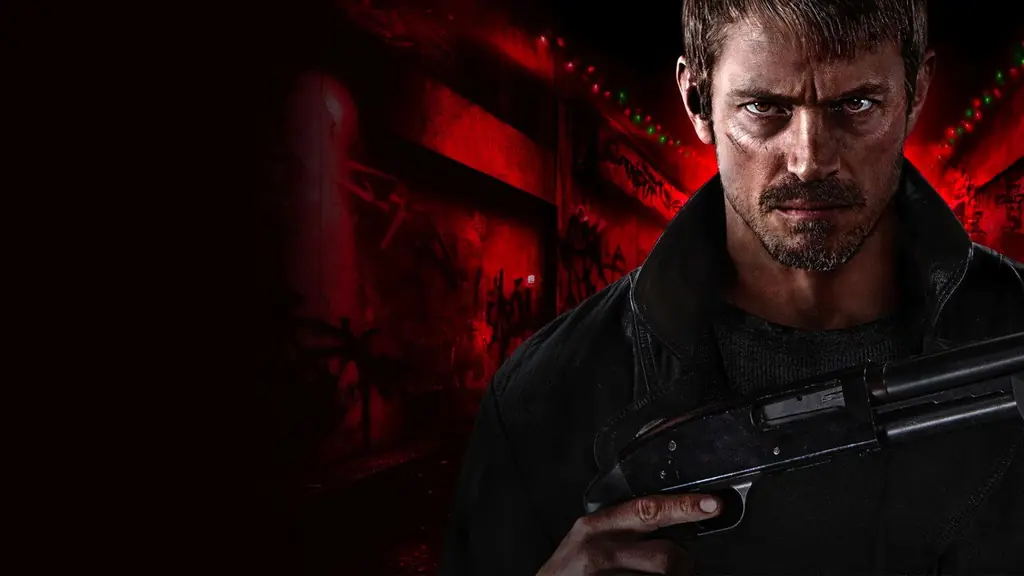
When it comes to the action, John Woo's signature style is undeniably present. The sequences are often ridiculous, embracing the director's classic tropes like seemingly unlimited ammunition and protagonists who miraculously dodge a barrage of bullets. While this over-the-top approach can be fun, it also highlights a disconnect. The film wants us to believe in Joel Kinnaman's journey from ordinary man to killer, yet the action often feels detached from any sense of realism. For instance, hitting a paper target is one thing, but accurately shooting people from a moving car is another entirely. Unfortunately, the supporting characters, including a detective played by Kid Cudi, are given so little to do and so little backstory that they come across as entirely useless, making it hard to invest in their presence or potential contributions.
Cameos, Nostalgia & Narrative Stakes
Stripped of dialogue, Silent Night is a barebones revenge flick. The narrative elements feel heavily borrowed from other, more engaging films in the genre. While the unique "no talking" premise is intriguing, it often feels like a gimmick layered over a Frankenstein's monster of familiar revenge tropes. The film attempts to build tension through Joel Kinnaman's meticulous recon work, taking photos and notes, reminiscent of "Thomas Jane Punisher." However, even in those moments, the film struggles to surpass its predecessors.
Without communication, the emotional beats frequently fall flat. The reviewer noted that profound emotional moments can exist without speech, citing the opening of "Up" as a prime example. Yet, Silent Night fails to achieve this, leaving audiences with characters they know nothing about and, consequently, care little for. The lack of communication isn't just about speech; it's about the film's inability to convey genuine emotional depth or build meaningful connections between characters or with the audience.
Tone, Direction & Creative Freedom
John Woo's direction attempts to maintain a brooding, intense tone, but the silent approach ultimately undermines it. The film struggles to balance its unique premise with the need for emotional resonance. While some action sequences are undeniably cool, there are also moments where the visual effects, particularly the CGI blood, look noticeably artificial, pulling viewers out of the experience. This inconsistency in execution, coupled with the overall lack of character development and emotional impact, makes the film feel like a missed opportunity from a director known for his distinctive vision.
The Final Verdict
Silent Night is a film that takes a bold, silent leap but ultimately stumbles. While it offers some moments of classic John Woo-esque action and a compelling physical transformation from Joel Kinnaman, its unique premise of no dialogue inadvertently strips away the emotional core. It's a barebones revenge story that struggles to forge genuine connections or leave a lasting impression. Fans of pure, unadulterated action might find some enjoyment, but those seeking a deeper, more memorable cinematic experience will likely find themselves forgetting it almost as soon as the credits roll.
What Worked
- [[person:11401|John Woo]]'s signature, over-the-top action sequences are fun.
- The unique "no dialogue" premise is a bold creative choice.
- [[person:92404|Joel Kinnaman]]'s character arc from everyday man to avenger is compelling.
- The training montage provides a grounded, relatable element to the hero's journey.
What Didn't Work
- Lack of dialogue hinders emotional connection and character development.
- Supporting characters are underdeveloped and feel useless.
- Plot elements are heavily borrowed from other, more effective revenge films.
- Some CGI blood effects look noticeably artificial and detract from immersion.
- Ultimately forgettable despite its unique premise.