Introduction
The urban legend of Slender Man, a figure born from the internet's darkest corners, finally stalked its way onto the big screen with Slender Man. This 2018 horror flick plunges into the familiar "Ring"-esque premise: four high school girls—Julia Goldani Telles, Joey King, Jaz Sinclair, and Annalise Basso—stumble upon a cursed video, inadvertently summoning the titular entity. What follows is a descent into terror as they grapple with the consequences of their digital curiosity.
The Lead Dynamic & The Action
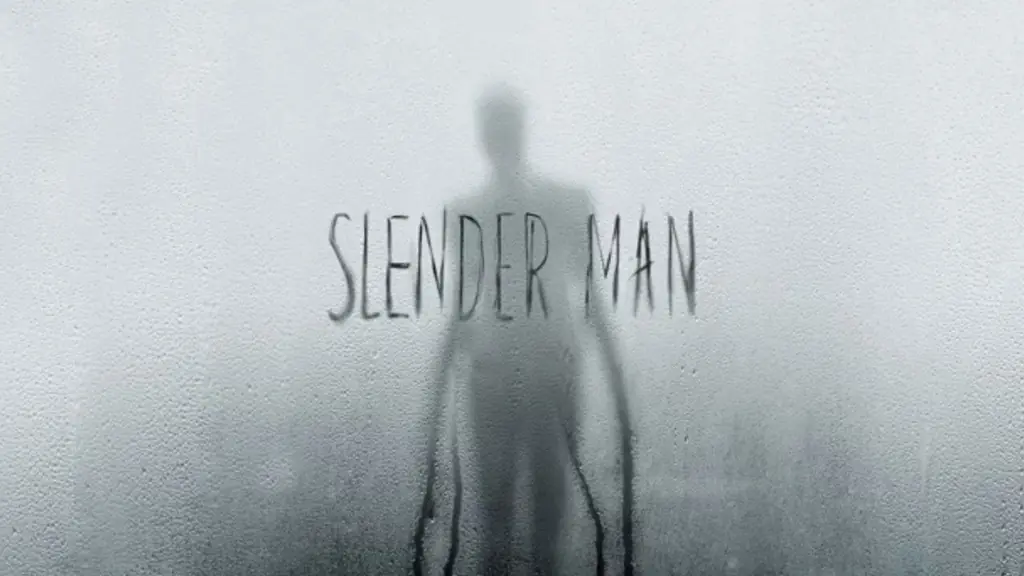
For much of its runtime, Sylvain White's direction wisely leans into psychological dread rather than overt monster reveals. The film excels in its early moments by keeping Javier Botet's Slender Man largely unseen, a fleeting shadow or a subtle movement in the background that forces the audience's mind to fill in the terrifying blanks. This restraint builds genuine tension, making every rustle and creak a potential harbinger of doom. The sound design, in particular, is a standout, transforming the mundane sound of trees into something truly unsettling. It's a clever trick that ensures viewers will forever question the innocent sounds of nature.
Cameos, Nostalgia & Narrative Stakes
The narrative explores an interesting concept: the evolution of urban legends with technology. Slender Man, unlike traditional demons or ghosts, is a modern myth, a "fourth-dimensional being" born from the digital age. This blending of technology and mythology is a compelling idea, suggesting how new legends adapt to our increasingly connected world. However, the plot itself follows a largely predictable path. Once the girls summon Slender Man, the trajectory is a straight line, leaving little room for surprise or deviation. The film struggles to maintain its initial intrigue, with the mystery and mind games gradually fading as it progresses.
Tone, Direction & Creative Freedom
While the film initially thrives on psychological horror and ambiguity, its third act takes a noticeable turn. The subtle, unseen terror gives way to more explicit, CGI-heavy depictions of Slender Man. This shift, unfortunately, "overcooks" the ending, sacrificing the earlier, more effective dread for visual spectacle that doesn't quite land. The budget constraints become apparent, and the CGI, rather than enhancing the fear, detracts from it. The film's attempt to violate the "camera phone" reality, suggesting a separation from existence, is an interesting concept, but its execution ultimately falls short of its ambitious premise.
The Final Verdict
Despite its stumbles, Slender Man delivers a "good time" for those looking for a straightforward horror experience. It might not redefine the genre, and its ending might leave some wanting, but its early commitment to psychological tension and effective sound design offers some genuine chills. It's the kind of movie that, while perhaps not a theatrical blockbuster, would make for a fun, albeit predictable, watch with friends on a Halloween night.
What Worked
- Effective use of unseen terror for much of the film.
- Excellent sound design, especially with natural sounds.
- Explores the evolution of urban legends with technology.
- Creates a sense of mental breakdown and questioning reality.
- A fun, casual watch for a Halloween night.
What Didn't Work
- Predictable plot progression.
- Overcooked, CGI-heavy ending that loses its scare factor.
- Initial intrigue and mystery fade by the conclusion.
- Some ambitious concepts aren't fully realized.