Introduction
The anticipation for Spider-Man 2 in 2004 was palpable. Following the record-breaking success of its predecessor, fans and critics alike wondered if Sam Raimi could capture lightning in a bottle twice. The answer, for many, was a resounding yes. At the time, it wasn't just another superhero flick; it was hailed as one of the best comic book movies ever made, a film that, even years later, continues to deepen in appreciation with each viewing. It’s a rare sequel that not only lives up to the hype but surpasses it, delivering on multiple fronts.
The Lead Dynamic & The Action
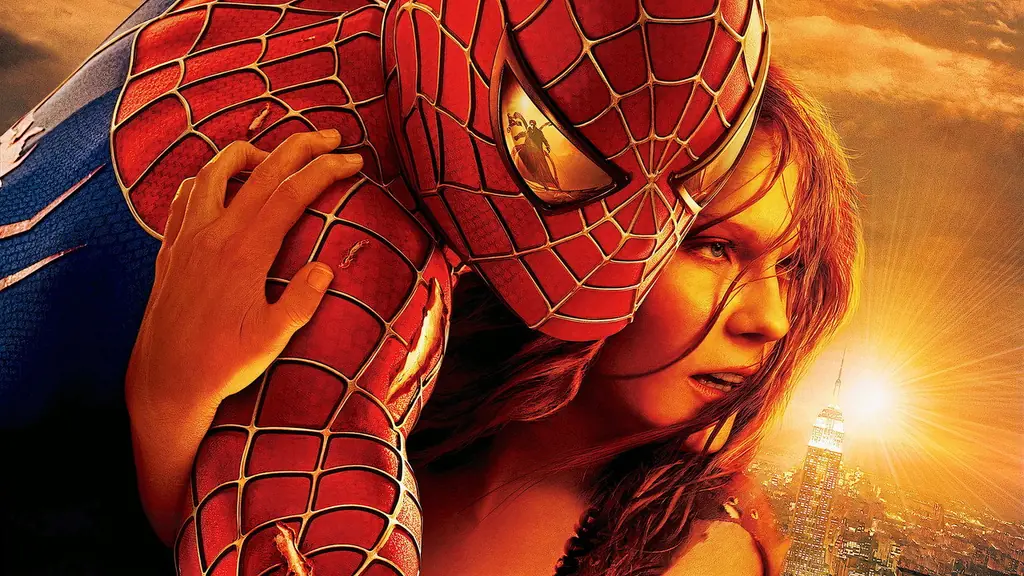
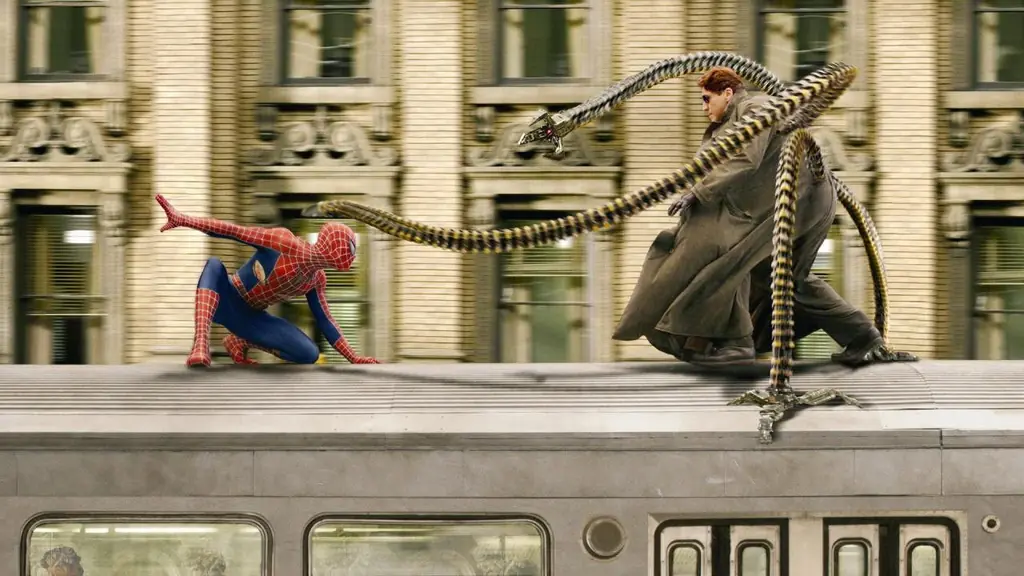
Spider-Man 2 masterfully weaves together exciting action sequences with genuinely compelling character storytelling. The film dives deep into Tobey Maguire's Peter Parker, showcasing the immense difficulty of balancing his dual life as a struggling student and the city's protector. This internal conflict is the beating heart of the film, making Peter’s journey incredibly relatable. Beyond the personal drama, the action is nothing short of iconic. The standout train sequence, where Spider-Man pushes himself to his absolute limits, remains a benchmark for superhero cinema, referenced and celebrated across various media.
The film also introduces Alfred Molina as Dr. Otto Octavius, a villain who is as formidable as he is fascinating. Doc Ock is portrayed as the "ultimate multi-tasker villain," effortlessly juggling destruction with scientific ambition. His fights with Spider-Man are dynamic and visually striking, with one arm lighting a cigar while another builds a machine – a testament to Sam Raimi's vision for the character.
Cameos, Nostalgia & Narrative Stakes
What truly elevates Doc Ock is his portrayal as a sympathetic figure, a "victim of his own genius." He's not inherently evil but corrupted by his AI arms, transforming him from a man of science into a tragic antagonist. Sam Raimi’s direction, coupled with Alfred Molina’s superb acting, brings a complexity to the character that transcends the typical villain archetype. He’s less a villain and more a "Spider-Man tragedy," forever changing how audiences viewed the character.
The narrative stakes are deeply personal for Peter. The film bravely explores the "Spider-Man No More" arc, showing Peter questioning his role as a superhero. This isn't just about obligation to Uncle Ben's lesson; it's about Peter finding his own identity and choosing to be Spider-Man because it's who he is, not just what he has to do. The scene where he saves a child from a burning building without his powers powerfully illustrates this transformation. Meanwhile, James Franco's Harry Osborn continues his descent, setting the stage for future conflicts, a path that Spider-Man 2 expertly navigates.
Tone, Direction & Creative Freedom
Sam Raimi’s distinct directorial style shines through, particularly in moments like the O.R. horror scene where Doc Ock's arms tear through doctors – a clear nod to Raimi's horror roots. This creative freedom allows the film to explore darker, more intense themes while maintaining its superhero core. The film excels at illustrating Peter's constant struggle through a series of "little annoyances" that chip away at him, making his decision to temporarily abandon his alter ego entirely understandable. It’s a nuanced portrayal of a hero burdened by his responsibilities, yet ultimately choosing his path.
The Final Verdict
Spider-Man 2 is more than just a superhero movie; it's a deeply layered character study wrapped in thrilling action. It’s a film that demands unpacking, revealing more depth and meaning with each watch. From its compelling villain to Peter Parker’s profound journey of self-discovery, it’s an "awesome-tacular" experience that remains a top-tier entry in the superhero genre. This is a film that truly understands its characters and delivers an emotionally resonant, action-packed ride that stands the test of time.
What Worked
- Deeply compelling character arc for Peter Parker.
- Alfred Molina's nuanced and sympathetic portrayal of Doc Ock.
- Iconic, thrilling, and well-choreographed action sequences, especially the train scene.
- Sam Raimi's distinctive direction, blending superheroics with horror elements.
- Exploration of Peter's choice to be Spider-Man, moving beyond mere obligation.
What Didn't Work
- Doc Ock's surprising resilience to Spider-Man's punches is a minor, albeit chuckle-worthy, nitpick.