
Introduction
The premise of Tag sounds almost too wild to be true: a group of childhood friends who have maintained an elaborate, decades-long game of tag. This isn't just a casual playground romp; it's an annual, month-long commitment that sees them traversing states and orchestrating elaborate schemes, all to tag one another. The ultimate target? Jeremy Renner's character, the one friend who has never been "it," and who is now conveniently getting married, making him a prime, albeit difficult, target. The film taps into a relatable sentiment: the struggle to maintain friendships as life pulls people in different directions, using a ridiculously fun game as the glue. It’s a concept that, on paper, might seem outlandish, but the film quickly establishes its charming, heartfelt core, making the audience root for these grown men to finally get their elusive target.
The Lead Dynamic & The Action
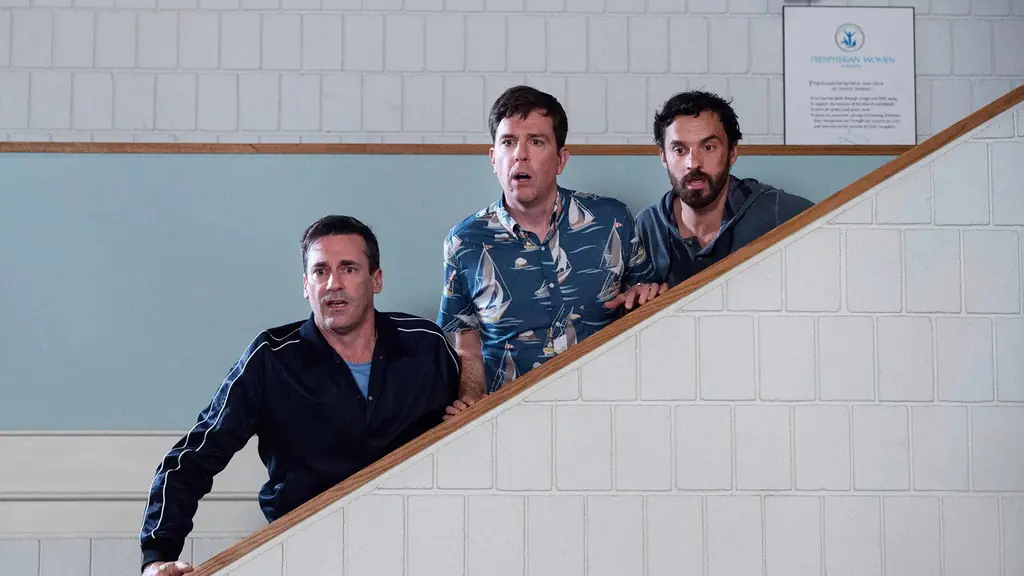
The ensemble cast is where Tag truly shines, bringing together an array of personalities that somehow make sense as lifelong friends. Jon Hamm gets to flex his comedic muscles, a welcome sight for those used to his more serious roles, proving he’s got plenty of laughs to deliver and a knack for physical comedy. Ed Helms embodies the eternal optimist, leading the charge with his signature earnestness and a relentless "we've got to do this" attitude. Jake Johnson plays the relatable "burnout," representing the more grounded reality of adult life, often providing a cynical, yet humorous, counterpoint to the group's antics. Meanwhile, Hannibal Buress brings his unique, deadpan humor to the mix, often delivering lines that land with unexpected comedic precision. The diverse array of personalities and career paths, from the "really successful guy" to the "burnout," highlights how the game itself is the unifying force.
The dynamic revolves around the relentless pursuit of Renner's character, who is portrayed as the "king in chess"—not always in the thick of the action, but the most crucial piece. The film excels in depicting the elaborate planning and execution attempts, often slowing down time to show the mental breakdown of a scenario. Imagine Renner's character, in a voiceover, meticulously dissecting an impending tag attempt: "slight smell of cologne, he's coming from behind, I'm gonna throw my coffee in his face." These moments of strategic hilarity are the film's bread and butter, showcasing the inventive ways these friends try to outsmart each other, turning mundane locations into high-stakes battlegrounds. The constant scheming, attempts, and often spectacular failures are what make the action sequences so engaging and genuinely funny.
Cameos, Nostalgia & Narrative Stakes
While the core premise is sweet and the antics are undeniably entertaining, Tag does prompt a moment of reflection regarding the depth of these friendships. The reviewer notes a slight sadness in the implication that the game of tag might be the only thing keeping these friends connected. Questions arise about the true nature of their bond if they aren't even groomsmen in the wedding of their perpetually untagged friend. This point is addressed within the movie, acknowledging the game's role as a vital link, but it leaves a lingering thought about the true nature of their friendship beyond the annual pursuit. The film balances its high-energy comedy with these subtle nods to the complexities of adult relationships, though it doesn't always "hammer home the drama" as much as it could. The pacing is generally good, keeping the momentum going, but a deeper dive into the emotional stakes could have elevated the narrative further, moving beyond pure fan-service to something more profoundly resonant.
Tone, Direction & Creative Freedom
Jeff Tomsic's direction maintains a light, energetic tone throughout, perfectly suiting the film's comedic and action-oriented nature. The movie embraces its absurd premise with gusto, never taking itself too seriously, yet managing to convey a genuine message about the importance of maintaining connections. It feels like a film where the creators were given the freedom to lean into the wild concept, resulting in a consistently entertaining experience. The visual style often enhances the comedic timing, particularly during the slow-motion breakdowns of tag attempts. The underlying message—that finding a unique way to stay linked with friends as you grow older is vital—resonates strongly, making the film more than just a series of slapstick gags. It's a celebration of enduring friendship, even if that friendship is maintained through an elaborate, decades-long game of tag. The film successfully navigates the line between outlandish comedy and a surprisingly sweet, heartfelt core.

The Final Verdict
Tag is a genuinely enjoyable ride, offering a refreshing take on friendship comedies. It’s a film that understands the continental drift of adult friendships and offers a hilarious, albeit extreme, solution. While it might not delve deep into dramatic territory, it delivers on its promise of a good time, proving that sometimes, all you need is a silly game to keep the bonds strong. It's a movie that will make you laugh, perhaps make you think about your own friendships, and definitely make you want to avoid being "it."
What Worked
- Unique and sweet premise about lifelong friendship.
- [[person:65717|Jon Hamm]]'s excellent comedic performance.
- Engaging ensemble cast with distinct personalities.
- Creative and hilarious action sequences.
- Positive message about maintaining connections.
What Didn't Work
- [[person:17604|Jeremy Renner]] has limited screen time.
- Doesn't fully explore the emotional depth of the friendships.
- Some plot points feel a bit contrived to facilitate the game.



