Introduction
Anticipation for The Batman was palpable, with audiences eager to see a fresh take on the Caped Crusader. This iteration arrives as a standalone adventure, intentionally unburdened by existing cinematic universes. It's a deliberate choice that allows director Matt Reeves to craft a new, self-contained narrative, focusing less on superheroics and more on a gritty, investigative detective story. From the opening frame, the atmosphere of Gotham City is established as relentlessly dark and brooding, setting a tone that rarely lets up.
The Lead Dynamic & The Action
While the title belongs to the Dark Knight, the supporting cast truly shines. Colin Farrell delivers a transformative performance as Penguin, so unrecognizable that it becomes a talking point in itself. Equally compelling is Zoë Kravitz as Catwoman, whose portrayal is so captivating that she often feels like the more interesting character in the film. The dynamic between these established figures, without the need for laborious origin stories, makes Gotham feel like a lived-in, criminal world. Jeffrey Wright also grounds his portrayal of Gordon, capturing a man at his wits' end, leaning on the vigilante as the only hope.
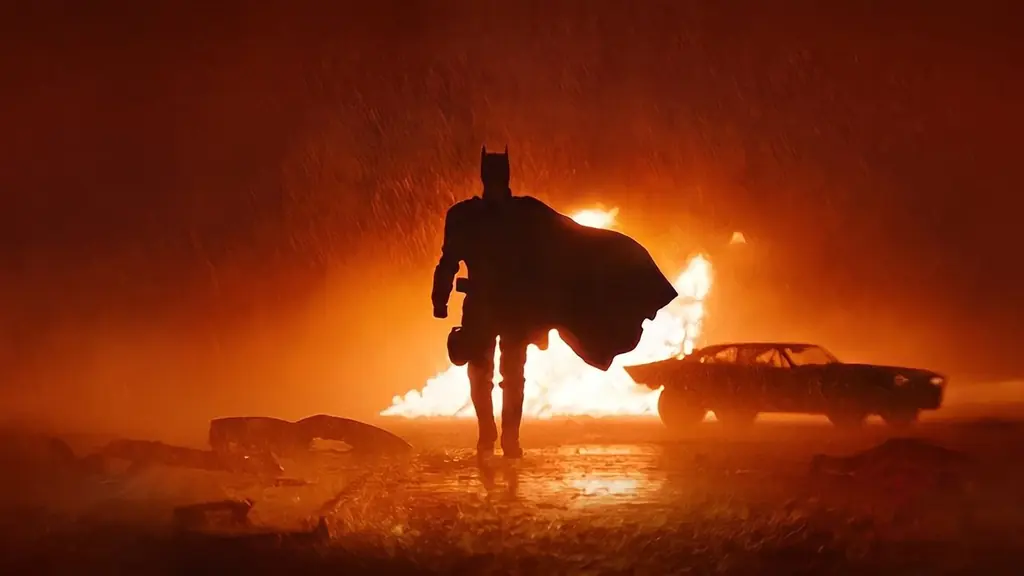
The action sequences are visceral and impactful. The Batmobile, described as a muscle car with a rocket, delivers what is arguably the best Batmobile chase sequence seen in a Batman movie. It's fast, exciting, and feels genuinely "grit in your teeth real," avoiding the pitfalls of overly polished CGI. The sound design during these moments is particularly effective, making the engine's roar a chest-rattling experience.
Cameos, Nostalgia & Narrative Stakes
The Batman smartly avoids getting bogged down in origin stories for its rogues' gallery. Instead, characters like the Riddler, played by Paul Dano, are introduced as fully formed threats, their "messed up, fulfilling, violent" games driving the plot forward. The film is jam-packed with narrative threads, presenting a complex "Gotham chess board" where many pieces are in motion. This approach creates a world that feels established and authentic, rather than a series of introductions.
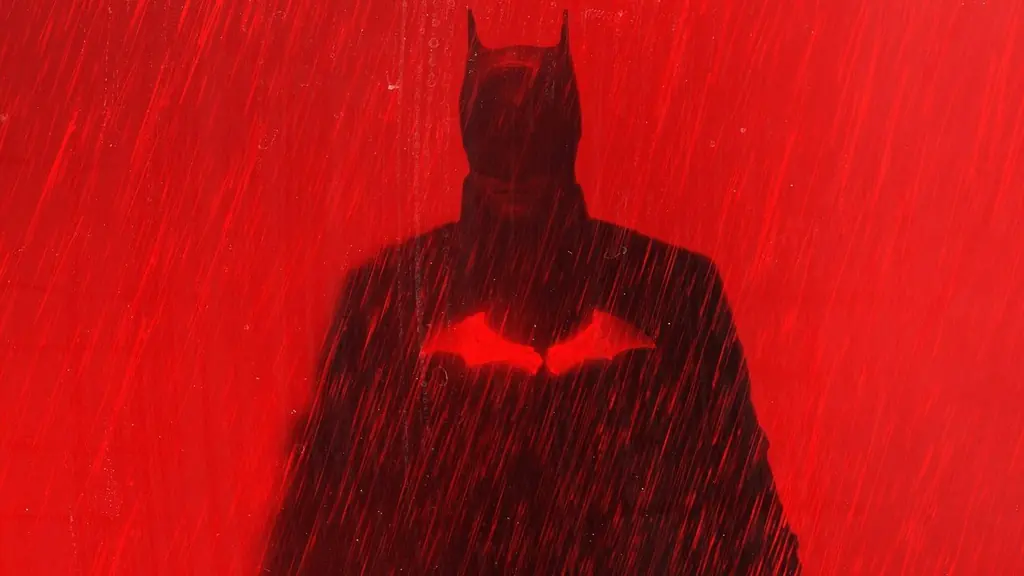
Crucially, the film hammers home the idea that Gotham itself is the primary antagonist. It's portrayed as a city so irredeemably corrupt and bleak that Batman's efforts often feel like a losing fight. This pervasive sense of urban decay is amplified by the fact that nearly 99% of the movie unfolds at night, creating an oppressive, Arkham City-esque atmosphere that truly makes Gotham a character in its own right.
Tone, Direction & Creative Freedom
Matt Reeves's direction masterfully crafts a tone that is arguably the darkest seen in a superhero film since Dark City. The brooding atmosphere is consistent, and the film commits fully to its grim aesthetic. Michael Giacchino's musical score is a standout, providing an epic swell that perfectly complements the on-screen tension and drama. The creative freedom afforded to the filmmakers is evident in the uncompromising vision.
However, this commitment to broodiness extends to Robert Pattinson's portrayal of Bruce Wayne, which presents a significant point of contention. While his Batman voice is effective, his Bruce Wayne lacks the traditional differentiation from his costumed alter-ego. He remains "super Broody" whether as Batman, with Alfred (played briefly by Andy Serkis), or in public. This makes the character feel "one-dimensional and boring," lacking the "mythical" quality often associated with the Dark Knight. For a character who has been Batman for two years within the film's timeline, he still feels like "a guy who went to a sporting goods store and got some gear," rather than the formidable figure audiences expect.
The Final Verdict
The Batman delivers an amazing world of Gotham, rich with atmosphere, compelling supporting characters, and thrilling action sequences. While the film excels in its world-building and its commitment to a dark, investigative tone, it struggles to make its titular hero as engaging as his surroundings. Despite wishing for a more invested portrayal of the Batman character himself, the overall experience is a good time, offering a fresh, gritty take on the iconic hero's universe. It's a film that leaves you wanting more from its world, even if its central figure occasionally feels overshadowed.
What Worked
- Immersive, relentlessly dark Gotham City atmosphere
- Standout performances from [[person:72466|Colin Farrell]] as Penguin and [[person:37153|Zoë Kravitz]] as Catwoman
- Visceral, "grit in your teeth real" Batmobile chase sequence
- Compelling, established world without unnecessary origin stories
- Exceptional musical score by Michael Giacchino
What Didn't Work
- [[person:11288|Robert Pattinson]]'s Bruce Wayne lacks dimension and differentiation from Batman
- The Caped Crusader himself feels less "mythical" and more like "a guy in gear"
- Bruce Wayne's public persona is too brooding, making him easily identifiable
- Limited screen time for key supporting characters like Alfred