Introduction
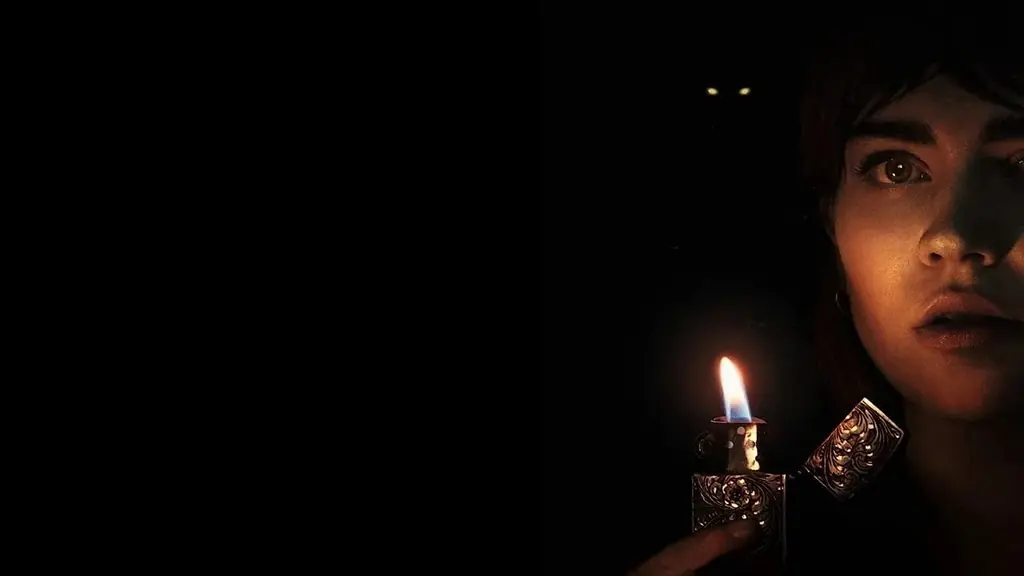
The Boogeyman arrived with a curious premise: a 90-minute horror film spun from a mere 12-page Stephen King short story. The studio’s release strategy, pitting it against the juggernaut that is Spider-Verse, either signaled immense confidence or a quiet attempt to bury it. From the opening frames, the film establishes a genuinely creepy ambiance, bolstered by effective camera work and truly great sound design—elements crucial for any horror worth its salt. This initial impression promised a chilling, atmospheric ride.
The Lead Dynamic & The Action
The film largely centers on the family unit, with Sophie Thatcher delivering a strong performance that largely carries the narrative. Her sister, played by Vivien Lyra Blair (known for her role as young Princess Leia), absolutely sells the terror of a child facing an unseen threat, showcasing undeniable talent. Chris Messina rounds out the family as the father. For its first half, perhaps even two-thirds, The Boogeyman makes a commendable effort to lean into psychological thrills rather than cheap jump scares. It’s a slow burn, focusing on family torment and pain, a direction that initially feels fresh and appreciated.

Cameos, Nostalgia & Narrative Stakes
However, this promising slow burn eventually falters. The film’s final act unfortunately devolves into what feels like "cliched horror movie nonsense" that audiences have witnessed countless times before. The initial psychological tension gives way to a more conventional, and ultimately less satisfying, horror experience. What began as a deliberate, atmospheric build-up transforms into something merely "slow" rather than a rewarding "slow burn," largely due to a payoff that fails to justify the preceding tension. Even the creature design, interesting when glimpsed, suffers from a narrative paradox: the Boogeyman thrives in darkness but cannot survive in light, leading to chase sequences where the creature is frustratingly obscured, diminishing the impact of its presence.
Tone, Direction & Creative Freedom
Director Rob Savage initially crafts a compelling tone, establishing a brooding, dark atmosphere where something stalks from the shadows. There are moments where this works effectively. Yet, the film struggles to maintain this consistency, experiencing "diminishing returns" as it progresses. It feels like a missed opportunity for something truly special, ultimately settling for a familiar horror trajectory. The shift in tone and vibe in the last act undermines the entire setup, leaving the audience with a sense of déjà vu rather than genuine fright.
The Final Verdict
The Boogeyman starts with a genuinely creepy atmosphere and strong performances, particularly from its young leads. It attempts a psychological approach to horror that is initially refreshing. However, the film ultimately succumbs to a predictable and clichéd final act, squandering its early promise. What begins as a tense slow burn regrettably becomes just slow, delivering a conclusion that feels all too familiar. It’s a shame, as the ingredients for a standout horror film were clearly present, but the execution ultimately falls short of its potential.
What Worked
- Creepy ambiance, effective camera work, and great sound design in the opening.
- Strong performances, especially from Sophie Thatcher and Vivien Lyra Blair.
- Initial attempt at psychological horror over cheap thrills is appreciated.
- Interesting creature design (when it is visible).
What Didn't Work
- Diminishing returns after a strong, promising start.
- The final act devolves into clichéd horror movie tropes.
- The "slow burn" ultimately feels merely "slow" due to a weak payoff.
- Creature visibility issues during dark chase sequences undermine its impact.