Introduction
The buzz around The Flash was undeniable, even drawing an unexpected endorsement from Tom Cruise himself, signaling a new level of marketing chess from Warner Bros. This film arrives as one of the last stragglers of the old DC Universe, setting the stage for a new era before the "James Gunn-verse" takes over. Audiences were primed for a multiverse spectacle, and while it delivers on many fronts, it also navigates a tricky balance of fan service and narrative ambition.
The Lead Dynamic & The Action
At the heart of this adventure is Ezra Miller, pulling double duty as two versions of Barry Allen. The film cleverly pairs the older, post-Justice League Flash with a younger, newly powered, and admittedly "obnoxious" version of himself. This dynamic creates an unexpected arc of growth for the younger Barry, a journey largely absent from his previous appearances. The reviewer highlights the impressive technical feat of having one actor play two roles in the same scene, noting that the blending of faces and bodies looks "phenomenal."
However, this praise for technical execution comes with a significant caveat: the CGI is often "iffy," bordering on "uncanny valley" in certain scenes, particularly with digital faces and people. It's an ironic contrast given the otherwise seamless dual performance. Despite these visual stumbles, the film truly excels in its depiction of speed. The action sequences feel "absolutely satisfying," delivering a sense of velocity and impact that surpasses previous iterations. The new tactics used to convey the feeling of speed and punch are a definite highlight, ensuring that a Flash movie truly feels fast.
Cameos, Nostalgia & Narrative Stakes
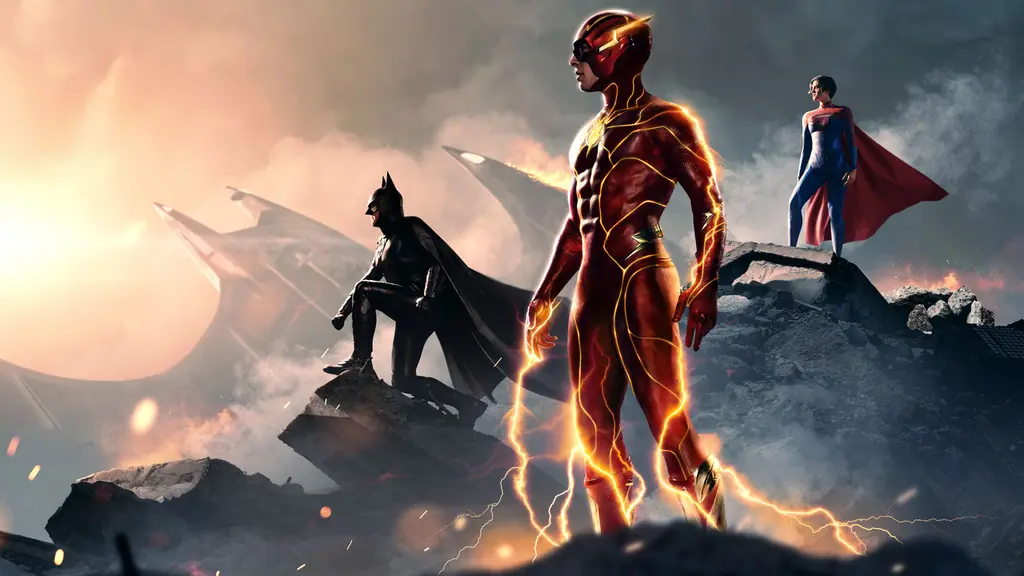
The Flash leans heavily into its multiverse premise, bringing in familiar faces like Sasha Calle's Supergirl and Michael Keaton's Batman. Supergirl, while not the familiar Kara Zor-El, works effectively within the alternate timeline context, her portrayal fitting the film's narrative needs. Michael Keaton's return as Batman is undoubtedly a major draw, and the film acknowledges this, with the reviewer noting it "feels like that was the intent" to bring audiences in. When Keaton's Batman is doing his thing, especially with the iconic Danny Elfman score, he's a genuine "scene stealer."
Yet, the film struggles with its reliance on nostalgia. There are moments of "heavy-handed callbacks" that feel forced and out of place, as if the movie is shouting, "I'm Batman!" just because it can. This approach contrasts sharply with other recent multiverse films, like Across the Spider-Verse, which seamlessly integrated its Easter eggs and callbacks into the plot. Here, the nostalgia often feels less organic and more like a checklist. Furthermore, the pacing can be an issue; at around two hours and twenty minutes, the film "feels a bit too long," and some plot conveniences and editing choices leave the audience scratching their heads.
Tone, Direction & Creative Freedom
Despite its narrative and visual inconsistencies, Andy Muschietti's direction manages to strike a heartfelt chord. What truly anchors the film are the emotional scenes involving Barry and his mother. This "heartfelt family dynamic" provides a surprising emotional depth that hooks the viewer, proving more impactful than even the highly anticipated return of Batman. The film also boasts a good sense of humor, with some jokes landing perfectly and others feeling "a bit much."
Ultimately, The Flash is a fun comic book film that uses its premise to push Barry Allen's story forward, even providing a version of the origin story that was previously missing. In a genre "chock full of Multiverse movies," this one manages to be genuinely enjoyable, leaving the audience with a sense of fun rather than the usual "what does it matter" fatigue often associated with transitional cinematic universes.
The Final Verdict
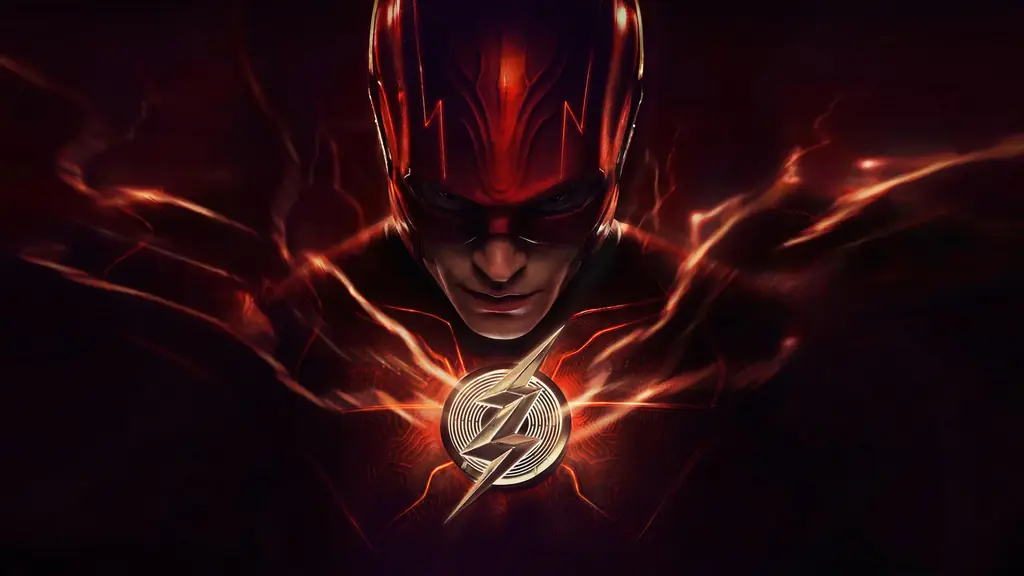
The Flash manages to be a genuinely fun comic book film, leveraging its multiverse premise to explore Barry Allen's character in ways previous appearances couldn't. Despite its flaws, particularly in its visual effects and reliance on nostalgia, the film delivers a heartfelt story and satisfying speed-force action. It's a wild ride that proves even in a transitional cinematic universe, there's still room for a good time.
What Worked
- Ezra Miller's compelling dual performance as two Barry Allens
- Satisfying and impactful speed-force action sequences
- Heartfelt emotional core centered on Barry and his mother
- Engaging humor and character growth for younger Barry
- Sasha Calle's effective portrayal of Supergirl
What Didn't Work
- Inconsistent and "iffy" CGI, especially on digital faces
- Heavy-handed and forced nostalgic callbacks
- Pacing issues, making the film feel "a bit too long"
- Questionable plot conveniences and editing choices