Introduction
Forget any preconceived notions about street racing; The Furious is here to redefine action cinema with a relentless, Hong Kong-produced martial arts spectacle. From its opening moments, the film hooks audiences with a premise that boasts a beautiful simplicity: a young girl is snatched by child traffickers, igniting a furious, desperate quest by her father to bring her home. This primal, emotionally charged setup immediately grounds the high-octane chaos that follows, making it effortlessly easy to invest in the protagonist's journey. It’s a story that taps into the universal theme of family, propelling a narrative that is as straightforward as it is compelling, proving that sometimes, less plot means more punch.
The Lead Dynamic & The Action
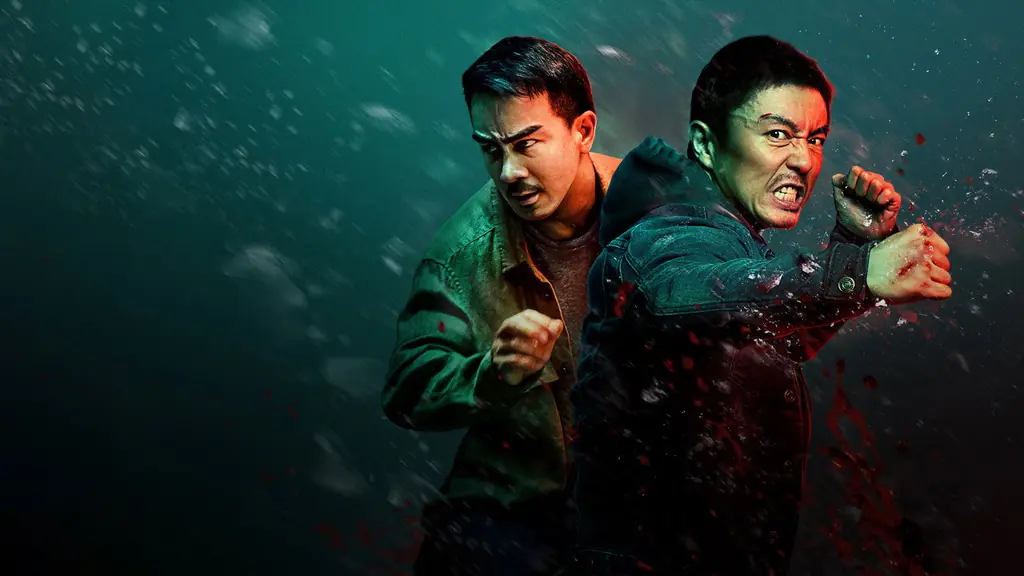
The true genius of The Furious lies in its breathtakingly executed martial arts. This isn't just a film with action; it's a film whose very language is physical, delivering a masterclass in visceral combat. Director Kenji Tanigaki orchestrates fight choreography that feels refreshingly "scrappy," a deliberate choice that eschews overly clean, practiced movements for something raw and authentic. The result is a series of brawls that possess a tangible grit, making every impact, every struggle, and every desperate maneuver feel genuinely earned. It’s a stark contrast to the often-too-perfect fights seen in other genres, lending a heightened sense of realism and danger where the stakes feel incredibly high, as if someone could genuinely perish at any moment.
The film’s action sequences are infused with an exhilarating "video game energy," but crucially, in all the positive ways. This isn't a criticism; it's a compliment to the escalating intensity and sheer inventiveness on display. Audiences will witness protagonists like Xie Miao and Joe Taslim enduring a barrage of hits, akin to characters with "multiple life bars" in a challenging game. The fights build to epic "boss battle" climaxes, demanding incredible endurance and ingenuity. Expect to see combatants utilizing everything at their disposal – from hammers to cars – in dynamic, multi-person brawls that recall the chaotic, every-man-for-himself intensity of the famous three-way sword fight from "Pirates of the Caribbean: Dead Man's Chest." Each confrontation is a masterclass in escalation, pushing the boundaries of what's possible while remaining utterly captivating.

Cameos, Nostalgia & Narrative Stakes
While the action is undeniably the star, The Furious smartly weaves in elements of fan service and a compelling narrative. The simple, yet powerful, quest of a father to reclaim his daughter from child traffickers provides a robust emotional backbone, ensuring that the audience remains deeply invested beyond the spectacle. The film also delights in its inclusion of "Raid alum," with martial arts powerhouses like Yayan Ruhian making impactful appearances. The reviewer noted the pleasant surprise of seeing these titans, anticipating they would "throw down" in spectacular fashion – an expectation the film gleefully fulfills. These appearances aren't just fleeting nods; they integrate seamlessly into the escalating conflict, adding layers of excitement and validating the film's commitment to showcasing top-tier martial arts talent. The narrative stakes are consistently high, driven by the visceral, primal urgency of a parent protecting their child, making every punch and kick resonate with emotional weight.
Tone, Direction & Creative Freedom
Under the astute direction of Kenji Tanigaki, The Furious strikes a delicate balance between brutal, relentless action and an underlying sense of pure, unadulterated fun. Despite the often-ridiculous degree of punishment characters endure, the film expertly avoids descending into slapstick. Instead, it maintains a grounded, gritty tone that keeps the stakes feeling authentic, even as the action reaches unbelievable heights. This creative freedom allows the filmmakers to go "to an unbelievable, yet fun degree," crafting an "epic martial arts action extravaganza bloodbath in all the fun ways." It’s a testament to a vision that embraces the over-the-top nature of its genre without sacrificing its core integrity, delivering a consistently entertaining and exhilarating experience that never takes itself too seriously, yet always respects the intensity of its combat.
The Final Verdict
The Furious is nothing short of "awesometacular," a film that delivers on every promise of its genre with an intensity and flair rarely seen. It’s been aptly described as "Taken meets The Raid," a comparison that perfectly encapsulates its potent blend of a heartfelt, high-stakes rescue mission and some of the most electrifying, gritty martial arts choreography in recent memory. While minor quibbles like inconsistent English ADR and occasionally unconvincing CGI blood are present, they are easily overshadowed by the sheer force and fun of the film. For anyone craving an unapologetically brutal, relentlessly entertaining, and physically demanding action film, The Furious is not just worth watching; it’s the definitive must-see experience of the year.
What Worked
- Electrifying, gritty martial arts choreography.
- High-stakes, emotionally resonant father-daughter rescue plot.
- Dynamic, escalating fight sequences with "video game" energy.
- Seamless blend of brutal action and fun, over-the-top moments.
- Features standout performances from "The Raid" alumni.
What Didn't Work
- Inconsistent English ADR (dubbing over English).
- Occasionally unconvincing CGI blood effects.