Introduction
The return of The Matrix Resurrections arrived with immense anticipation, promising to plug audiences back into a world that redefined cinema. The initial trailers, particularly the first, were masterfully cut, building a palpable intrigue. Yet, from the opening frames, a sense of déjà vu quickly sets in. The film immediately recreates the iconic opening of the original, raising an immediate red flag: would this be a journey forward, or merely a "member berry pie" of nostalgia bait?
The Lead Dynamic & The Action
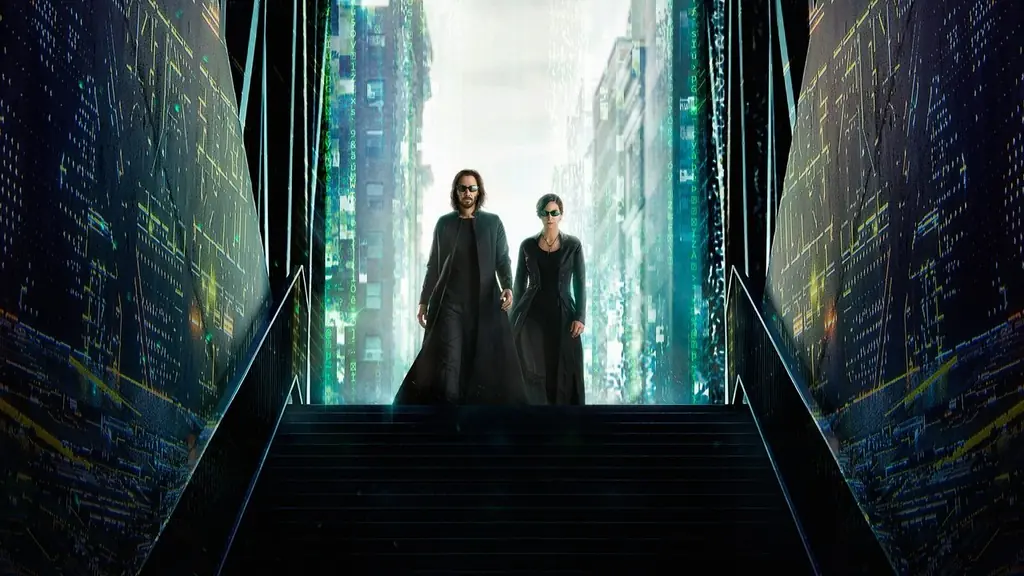
Despite the heavy reliance on past glories, some elements genuinely shine. The undeniable connection between Keanu Reeves' Neo and Carrie-Anne Moss' Trinity remains the film's beating heart. Even without their full memories, their bond transcends life, death, and any iteration of the Matrix, proving that love truly conquers all. This emotional core is powerfully conveyed in several key scenes. Beyond the central duo, Jessica Henwick delivers a standout performance as Bugs, a character easy to root for with her determined, mission-driven attitude. While the action sequences are visually cool and fit a modern action movie, they don't possess the groundbreaking, graphic novel-esque quality that revolutionized cinema with the first Matrix. There are no long, uncut fight shots or visually distinct moments that will change the landscape of filmmaking again.
Cameos, Nostalgia & Narrative Stakes
Where The Matrix Resurrections truly stumbles is in its approach to narrative and character. The film is relentlessly self-aware and meta, often to its detriment. It beats the audience over the head with its own existence, even featuring a monologue about Warner Bros. demanding a fourth Matrix film. This constant wink-and-a-nod often veers into unintentional comedy, making the audience laugh at moments that perhaps weren't intended to be humorous. The decision to recast iconic roles like Morpheus (now played by Yahya Abdul-Mateen II) and Agent Smith (now Jonathan Groff) feels like a misstep. While there's a story-based reason for the new Morpheus, he never quite feels essential, and the new Smith is unfairly compared to Hugo Weaving's indelible performance, leaving Jonathan Groff in an impossible shadow. The film works too hard to recreate past moments, like Smith punching a pillar, making these moments predictable rather than impactful. This heavy reliance on cheap nostalgia ultimately cheapens the otherwise interesting concepts, especially the exploration of how the world changed after the original trilogy – a genuinely forward-looking aspect that is quickly overshadowed by constant callbacks.
Tone, Direction & Creative Freedom
Lana Wachowski's direction here feels like a deeply personal, almost "vanity project" at times, given the sheer volume of meta-references. While the film attempts to address how the world has evolved since the original trilogy, these forward-thinking ideas are frequently interrupted by reminders of the past. The tone struggles to balance its self-aware humor with the serious implications of its narrative, often crossing the line into outright comedy. This tonal inconsistency, coupled with the overwhelming nostalgia, suggests a creative freedom that, while bold, doesn't always serve the film's overall coherence or impact. It's a film that jokes about its own existence, then ironically becomes exactly what it was joking about.
The Final Verdict
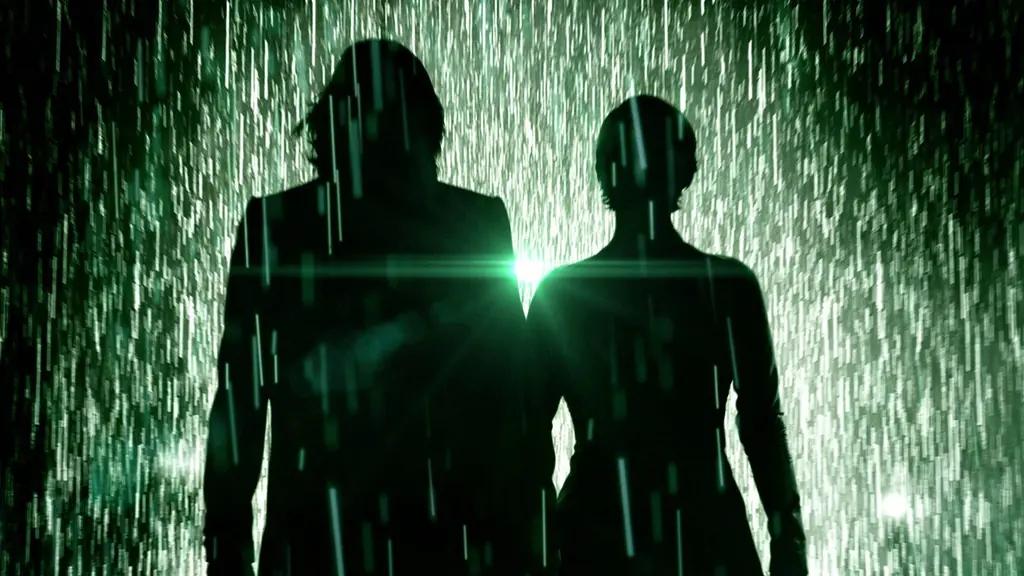
Ultimately, The Matrix Resurrections is a film with intriguing ideas buried under an avalanche of nostalgia. It asks viewers to remember the greatness of the original trilogy, perhaps too often, to appreciate its own attempts at greatness. While the central love story and a few conceptual shifts are commendable, the film's self-referential nature and unnecessary recasting decisions detract significantly from its potential. It feels like a movie that arrived "six years too late," missing the cultural moment where its particular brand of nostalgia might have landed better. For those seeking a fresh, impactful continuation, this might feel like a missed opportunity. However, if you're willing to overlook its flaws and simply enjoy a familiar, if flawed, return to the Matrix, there are moments to appreciate, perhaps best enjoyed with a relaxed, uncritical mindset.
What Worked
- The undeniable connection and chemistry between Neo and Trinity.
- [[person:1202689|Jessica Henwick]]'s standout performance as Bugs.
- Interesting conceptual updates to the Matrix world post-trilogy.
- Visually cool action sequences, even if not groundbreaking.
What Didn't Work
- Overwhelming reliance on nostalgia and direct recreations.
- Excessive meta-commentary that often feels self-defeating.
- Unnecessary recasting of iconic characters like Morpheus and Smith.
- Pacing issues and a sense of being "six years too late."