Introduction
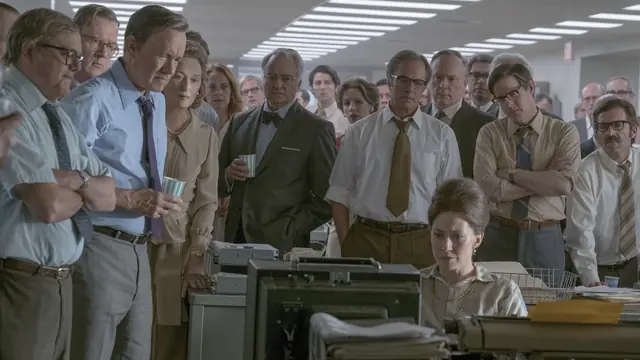
The buzz around The Post was palpable, with many critics rushing to weigh in on Steven Spielberg's latest. This film arrived with the weight of history and contemporary relevance, promising a deep dive into a pivotal moment for American journalism. It’s a story many knew, and many more needed to learn, chronicling the high-stakes battle between the press and the government.
The Lead Dynamic & The Action
The film centers on the explosive revelation of the Pentagon Papers, documents detailing the U.S.'s involvement in the Vietnam War. While the New York Times broke the initial story, it's the Washington Post's turn to decide whether to publish the remaining classified information, risking everything. The performances are undeniably top-notch; it almost feels redundant to praise Meryl Streep and Tom Hanks, yet their portrayals are a cornerstone of the film's appeal. Bob Odenkirk also delivers a strong turn. However, for all its dramatic potential, the film often feels more informative than immersive. It lays out the facts with precision, but rarely ignites the kind of tension that could have elevated it to a truly gripping thriller. The narrative, while important, often lacks that crucial "moment" in the third act that truly impacts the viewer and lingers long after the credits roll.
Cameos, Nostalgia & Narrative Stakes
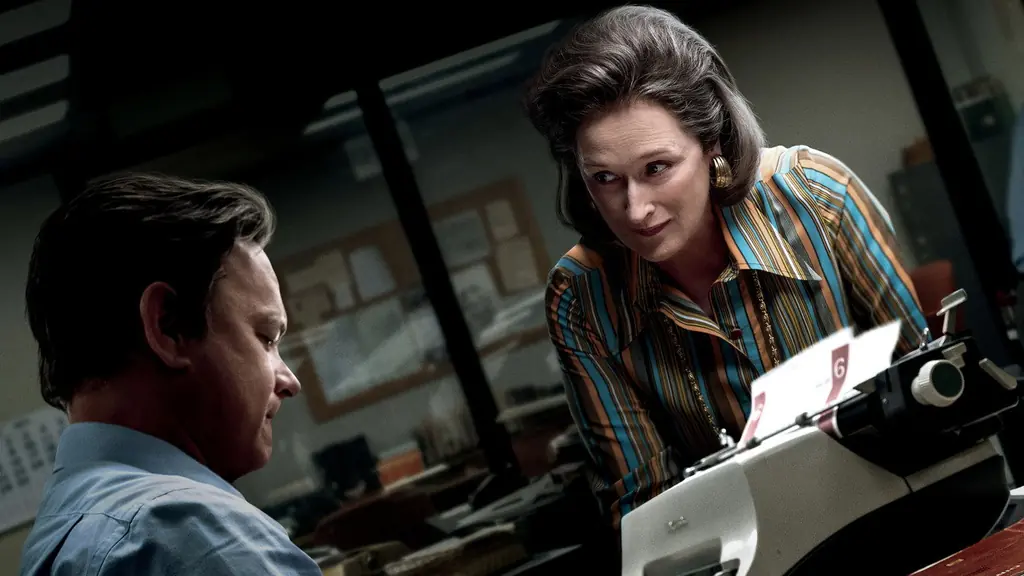
The Post meticulously reconstructs the early 1970s, immersing audiences in the era of "tricky Dicky" and the escalating conflict between the White House and the press. The story of government secrets and journalistic duty is inherently compelling, especially given its contemporary echoes of "fake news" debates. Yet, the film struggles to translate this inherent drama into a consistently thrilling experience. It’s the kind of movie a history teacher might play in class to illustrate a chapter, rather than one audiences will spontaneously recommend for a "treat yourself" night. The stakes are clear – the very future of a newspaper and the freedom of the press – but the execution often keeps viewers at an arm's length, observing rather than feeling the gravity of the situation. A pivotal courtroom scene, for instance, builds anticipation only to resolve with an almost anticlimactic "all rise" and exit, leaving the audience wanting more.
Tone, Direction & Creative Freedom
Steven Spielberg directs with his characteristic polish, crafting a well-made period piece that captures the look and feel of the early 1970s. The film's importance, particularly in its timely commentary on the government versus news media, is undeniable. However, one can't help but feel that Spielberg might have fast-tracked this project for Oscar season, potentially sacrificing some narrative punch for topicality. The film could have significantly benefited from a more thriller-like approach, akin to a John Grisham story, to truly make the audience "feel" the weight of the decisions being made. While it educates effectively, it often misses the opportunity to truly electrify, leaving viewers informed but not always deeply moved or on the edge of their seats.
The Final Verdict
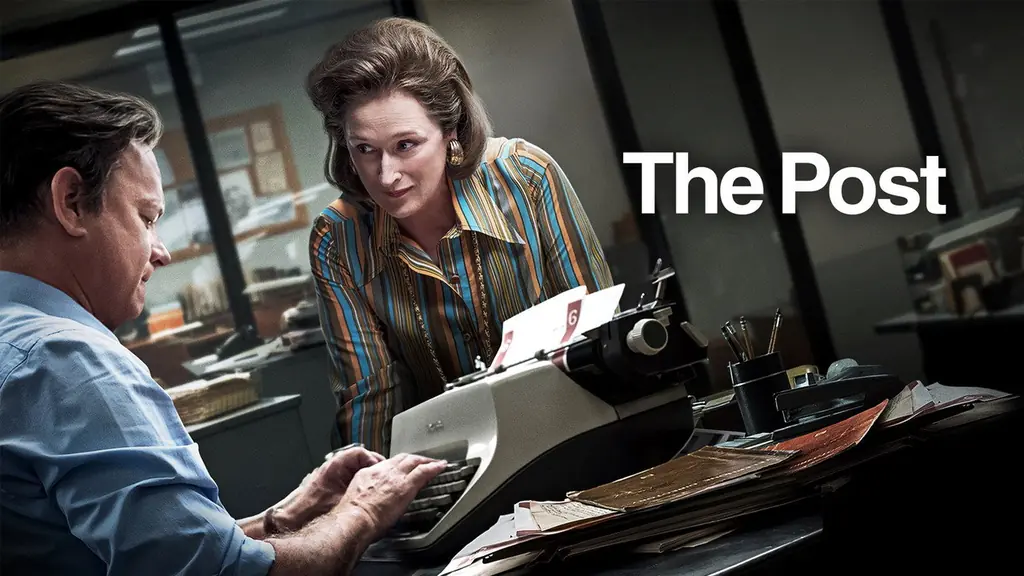
Ultimately, The Post stands as a well-crafted, educational drama that shines a spotlight on a crucial historical moment and its enduring relevance. It's a film that earns props for its commitment to historical accuracy and its top-tier performances, particularly from Meryl Streep and Tom Hanks. While it may not be the edge-of-your-seat thriller some might hope for, and at times feels like deliberate "Oscar bait," its value as an informative and timely piece of cinema is clear. For those interested in the historical context of journalism and government accountability, this is a solid, if somewhat understated, watch.
What Worked
- Timely and informative historical narrative
- Stellar performances from [[person:5064|Meryl Streep]] and [[person:31|Tom Hanks]]
- Well-made and authentic period piece
- Highlights crucial themes of press freedom and government accountability
What Didn't Work
- Lacks narrative tension, often feeling more like a history lesson
- Misses a truly impactful, climactic "moment"
- Pacing can be slow, failing to fully engage as a thriller
- Perceived as "Oscar bait" rather than a purely passionate project



