Introduction
Before it became a sprawling saga of time travel and liquid metal, The Terminator arrived in 1984 as a lean, mean, sci-fi horror machine. Born from a fever dream by director James Cameron, this film isn't the bombastic action spectacle its sequel would become. Instead, it's a relentless, dread-soaked journey into impending doom, proving that some of the most epic art springs from the darkest corners of imagination.
The Lead Dynamic & The Action
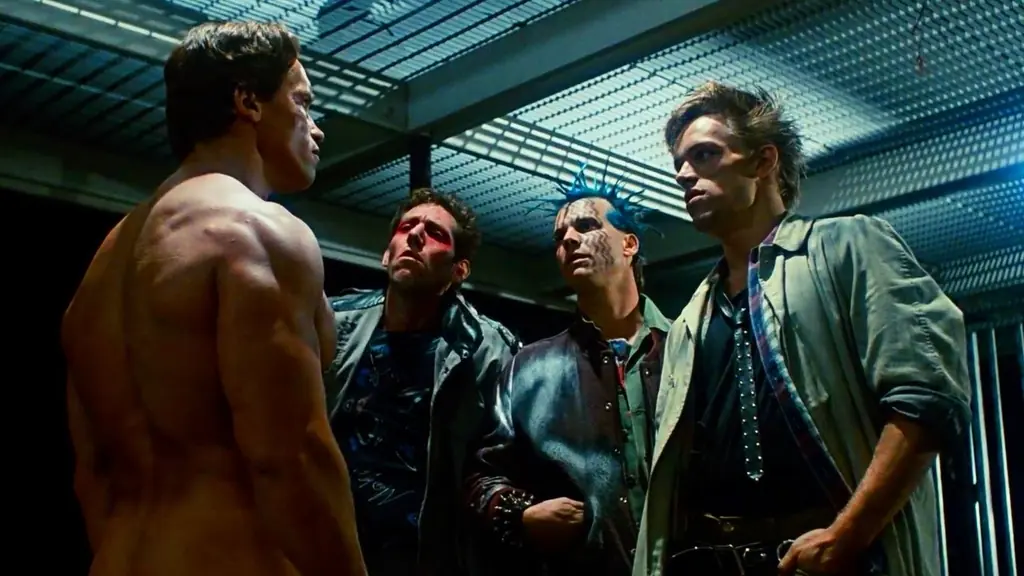
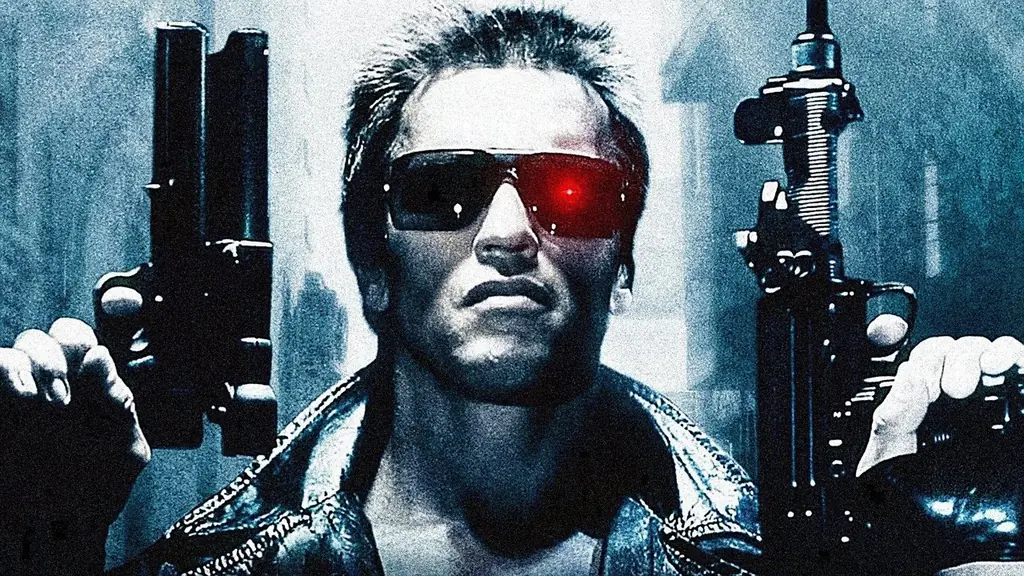
Forget the tank-on-tank combat of later installments; here, the fight is profoundly unbalanced, playing out like a desperate raid where a 'healer and a rogue' face off against an unstoppable 'tank DPS boss.' Michael Biehn's Kyle Reese isn't a beefcake soldier but a battle-scarred survivor, while Linda Hamilton's Sarah Connor begins as an ordinary waitress, making their struggle against Arnold Schwarzenegger's titular cyborg all the more relatable. This isn't a story of hope, but of sheer, primal will to survive. The Terminator itself is a truly imposing, terrifying presence, a cybernetic organism with a physicality that feels beyond human. Its relentless pursuit, punctuated by Kyle Reese's chilling 'it will not stop, ever' monologue, creates an almost unbearable tension. Moments like the brutal police station massacre are pure cinematic glory, showcasing the machine's unyielding nature. Even the subtle, horrifying detail of its rotting flesh, attracting flies, transforms it from mere robot to a truly grotesque, walking nightmare, amplifying the film's horror credentials.
Cameos, Nostalgia & Narrative Stakes
The Terminator thrives on its singular focus: survival against an unreasoning, unbargainable force. There are no grand speeches about changing the future, only the desperate, constant act of running defense. The narrative stakes are immediate and personal, with the audience projecting themselves into the shoes of Sarah Connor and Kyle Reese, understanding that they, too, wouldn't stand a chance. The film masterfully doles out glimpses of the Terminator's inner workings—a robotic eye, exposed tendons—as precious treats, rather than over-exposing its mechanics. This restraint builds suspense, making each reveal impactful and adding to the overall sense of dread rather than relying on overt fan service or distracting cameos.
Tone, Direction & Creative Freedom
James Cameron's direction here is a masterclass in tension, suspense, and fear. The film leans heavily into its horror roots, crafting a mood of impending doom that permeates every frame. The musical score is nothing short of iconic, a cybernetic pulse that perfectly complements the on-screen terror and has influenced countless films and games since. While some of the visual effects, particularly the stop-motion robotics, show their age compared to modern blockbusters or even its own sequel, they possess a raw, practical charm that still feels cool and effective. This was a film made on a relatively modest budget, inspiring a generation of young filmmakers with its ingenuity and sheer creative force.
The Final Verdict
Make no mistake: The Terminator is a masterpiece of its genre. It's a film that demands to be seen, not just as a historical artifact, but as a visceral, terrifying experience in its own right. If you've only ever seen its more action-packed successor, prepare for a different beast entirely—a relentless, chilling sci-fi horror that will burrow under your skin and remind you why Arnold Schwarzenegger's original turn as the T-800 remains legendary. It's a testament to the power of focused storytelling and unyielding suspense.
What Worked
- Masterpiece of sci-fi horror.
- [[person:1100|Arnold Schwarzenegger]]'s terrifying, machine-like performance.
- Unrelenting tension, suspense, and dread.
- Iconic, cybernetic musical score.
- Relatable, human protagonists in an impossible situation.
What Didn't Work
- Some visual effects appear dated compared to modern films.
- Less overt action than its more famous sequel.
- The constant "running defense" narrative might not appeal to all.