Introduction
Truth or Dare arrived with a genuinely intriguing premise: a seemingly innocent game turning deadly, following a group of college friends from Mexico back home. The idea of a supernatural game of truth or dare, where refusal means a gruesome end, promised a thrilling ride. Produced by Blumhouse, known for its successful horror ventures, anticipation was high for a fresh take on the genre.
The Lead Dynamic & The Action
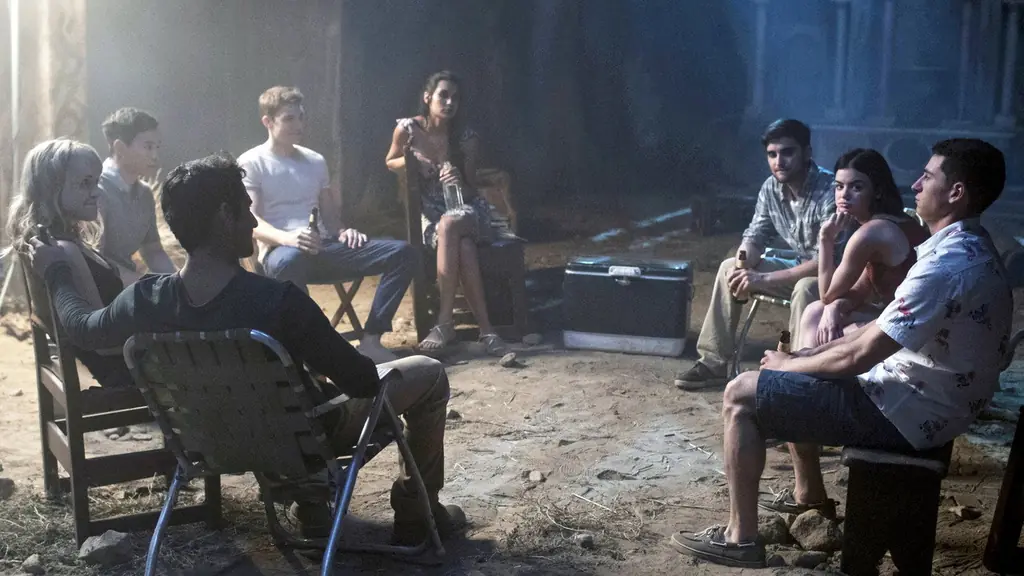
Unfortunately, the film struggles to capitalize on its compelling setup. The core issue lies in its PG-13 rating, which severely limits the impact of its horror elements. Deaths, while frequent, lack the visceral punch needed to truly disturb, often feeling uninspired and bloodless. This creative constraint means the film can't fully embrace the morbid entertainment its premise demands. Furthermore, the ensemble cast, including Lucy Hale, Tyler Posey, and Violett Beane, struggles to forge memorable characters. Their interactions often feel forced, and their individual arcs are largely underdeveloped, leaving audiences with little reason to invest in their survival.

Cameos, Nostalgia & Narrative Stakes
The narrative attempts to build tension through secrets revealed during the game, but the characters' unlikable nature quickly erodes any rooting interest. As truths expose their flaws, it becomes difficult to care about their fates. The film introduces several characters who serve primarily as fodder for the game's escalating body count, making their presence feel insignificant rather than impactful. This lack of genuine character development and emotional stakes means the plot, despite its high-concept hook, ultimately falls flat, leaving viewers disengaged from the unfolding terror.
Tone, Direction & Creative Freedom
Directed by Jeff Wadlow, Truth or Dare suffers from an identity crisis, never fully committing to being a horror, thriller, or even a dark comedy. Moments intended to be shocking are often undercut by misplaced humor, creating an inconsistent tone that prevents any real immersion. The film's biggest misstep is its reluctance to lean into the inherent ridiculousness of its concept. Had it embraced a more over-the-top, R-rated approach, it might have found its footing, much like other films that commit to their outlandish premises. Instead, it treads a safe middle ground, resulting in a bland and ultimately unfulfilling experience. The ending, in particular, aims for cleverness but only manages to leave a sense of dissatisfaction.
The Final Verdict
Truth or Dare is a prime example of a fantastic concept squandered by timid execution. While the initial premise sparks interest, the film's PG-13 limitations, forgettable characters, and inconsistent tone prevent it from ever truly taking off. It's a movie that struggles to leave any lasting impression, fading from memory almost as soon as the credits roll. For those seeking a genuinely thrilling or terrifying experience, this game of truth or dare is best left unplayed.
What Worked
- Intriguing and unique premise
- Some scenes show glimmers of potential
- Attempts to explore character secrets
- Fast-paced narrative keeps things moving
What Didn't Work
- PG-13 rating severely limits horror impact
- Unlikable and underdeveloped characters
- Inconsistent tone and genre commitment
- Unfulfilling and forgettable ending
- Fails to embrace its own ridiculousness