Introduction
Before the superhero boom saturated cinemas with caped crusaders and explosive CGI, there was Unbreakable. Released in the year 2000, this was the era when director M. Night Shyamalan was riding a phenomenal wave of critical and commercial success, widely hailed as the next visionary filmmaker. Audiences, still reeling from the psychological twists and profound emotional resonance of his previous work, eagerly anticipated his next cinematic offering. What they ultimately received was not a conventional blockbuster filled with overt heroics, but a somber, deeply introspective mystery that dared to ask a fundamental question: what if extraordinary abilities existed, hidden in plain sight among us, and their discovery was a journey of quiet, often painful, self-reflection? This film challenged perceptions, setting a new benchmark for what a "superhero" story could truly be.
The Lead Dynamic & The Action
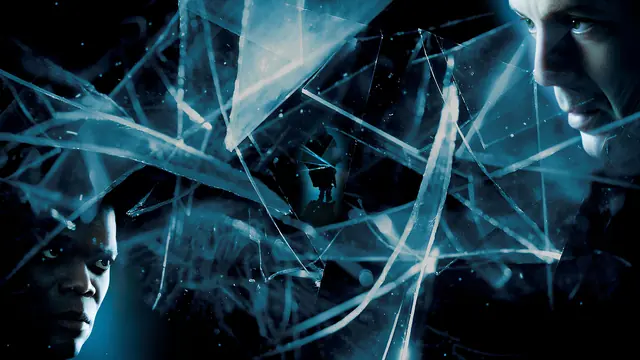
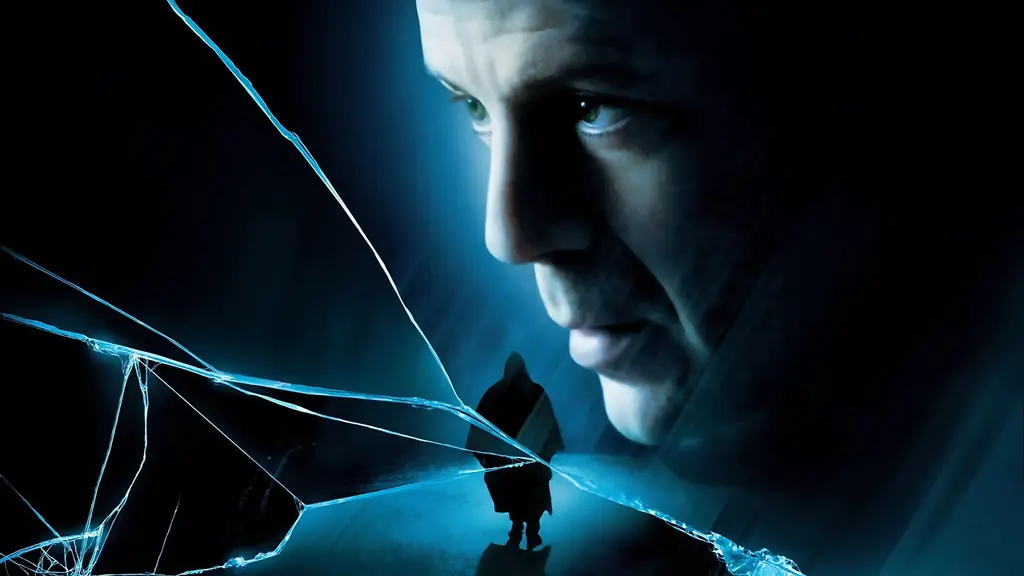
At its very core, Unbreakable thrives on the compelling and often unsettling dynamic between its two central figures. Bruce Willis delivers a remarkably subdued and nuanced performance as David Dunn, a man seemingly adrift in a life of quiet desperation and unfulfilled potential. His marriage is crumbling, his spirit is low, and he finds himself the sole, miraculously unharmed survivor of a devastating train wreck. The film’s visual palette masterfully mirrors his internal state, awash in deep blues, muted grays, and rich purples, creating a perpetually melancholic and contemplative atmosphere that underscores David’s profound sense of detachment.
Into this world steps Samuel L. Jackson as Elijah Price, a man afflicted with osteogenesis imperfecta, a rare condition that renders his bones as fragile as glass. Price, a fervent and highly eccentric comic book art collector, harbors a profound belief: if he represents one extreme of human fragility, then by cosmic balance, there must exist an opposite – someone truly unbreakable. He becomes convinced that David Dunn is this person. Samuel L. Jackson shines in a rare, introverted role, portraying Elijah with an intellectual intensity and quiet, almost unnerving, passion that stands in stark contrast to his more boisterous, iconic characters. His initial, memorable scene, passionately defending a comic book page as high art in a gallery, perfectly sets the stage for his eccentric yet profoundly held conviction, hinting at the deeper truths he believes comic books represent.
Cameos, Nostalgia & Narrative Stakes
The narrative unfolds as a meticulous, slow-burn investigation into David’s improbable survival, with Elijah acting as a persistent, almost obsessive, guide and catalyst. The film masterfully builds a palpable tension, making viewers constantly question whether David truly possesses superhuman resilience or if Elijah is merely a deluded, albeit brilliant, fanatic. It’s a journey of discovery not just for David, but for the audience, who might not even realize they are witnessing a superhero origin story until a pivotal, late-film revelation. This subtle, grounded approach was nothing short of revolutionary for its time, predating the modern comic book movie genre by years and setting a template for more realistic interpretations.
While Elijah’s relentless pursuit of David can, at times, feel intrusive – a point the film itself subtly acknowledges, prompting a humorous reflection on how annoying such a person might be in real life – it serves to underscore his unwavering belief and the profound stakes involved. Unbreakable is more than just a genre film; it’s a powerful invitation for self-reflection, prompting viewers to ponder their own untapped talents and hidden strengths, and to consider what extraordinary potential might lie dormant within themselves. This makes the narrative stakes deeply personal and universally relatable, transcending the typical superhero fare.
Tone, Direction & Creative Freedom
M. Night Shyamalan’s direction in Unbreakable is nothing short of remarkable, showcasing a meticulous control over tone, pacing, and visual storytelling. The film maintains a somber, almost reverent atmosphere throughout, allowing its profound themes of destiny, identity, and hidden power to resonate deeply without ever resorting to overt spectacle or bombastic action sequences. This deliberate restraint highlights the director’s creative freedom and vision, crafting a narrative that prioritizes character and psychological depth.
The score by James Newton Howard is a standout element, with the iconic Unbreakable theme becoming one of the most recognizable and impactful pieces of 21st-century cinema. It’s a melody that perfectly encapsulates the film’s unique blend of melancholy and burgeoning hope, a somber tune that nonetheless inspires. This was clearly a passion project, a film that dared to be different in an era less accustomed to grounded, introspective superhero narratives. Its enduring relevance is a powerful testament to its visionary storytelling, proving that a quiet, character-driven approach can be far more impactful and lasting than a barrage of special effects. Unbreakable has truly aged like a fine wine, its insights into the superhero mythos feeling even more pertinent and prescient today than they did upon its initial release.
The Final Verdict
Unbreakable stands as an "awesome-tacular" cinematic experience that defies easy categorization and continues to resonate decades later. It’s a masterful blend of thriller, drama, and a profoundly unique superhero origin story, all delivered with a singular artistic vision. For those who appreciate thoughtful storytelling, nuanced performances, and a film that bravely challenges conventional genre expectations, Unbreakable is not just worth watching – it’s essential viewing. It’s a film that stays with you, prompting contemplation about personal potential and the nature of heroism long after the credits roll, solidifying its place as a true masterpiece of its era and a foundational text for the modern superhero narrative.
What Worked
- A visionary, ahead-of-its-time take on the superhero genre.
- Exceptional, nuanced performances from Bruce Willis and Samuel L. Jackson.
- M. Night Shyamalan's masterful direction and controlled pacing.
- Thought-provoking themes of self-discovery and hidden potential.
- An iconic and emotionally resonant musical score by James Newton Howard.
What Didn't Work
- Elijah Price's relentless pursuit of David can feel intrusive at times.
- Its subtle approach might not appeal to those expecting traditional superhero action.



