Introduction
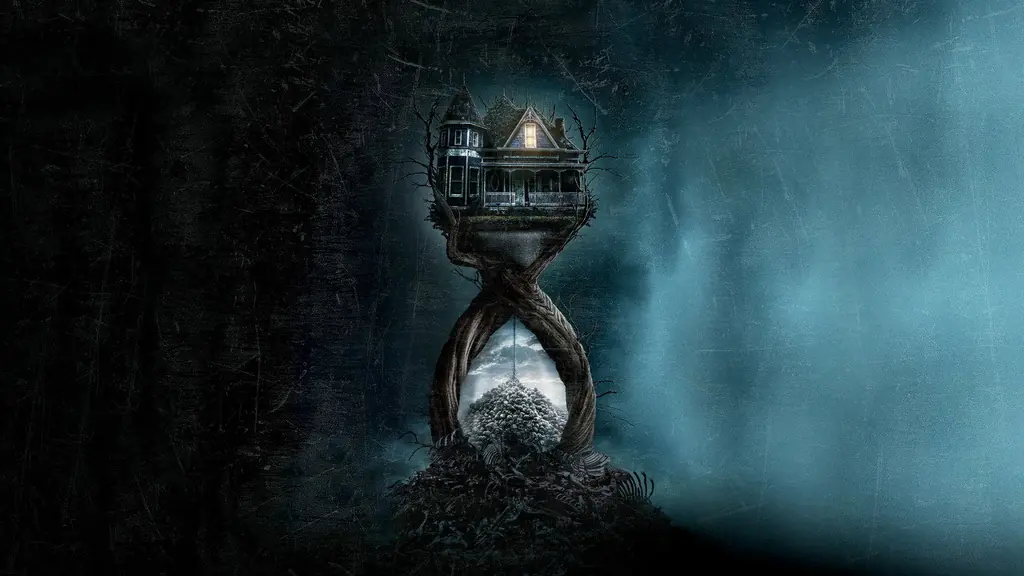
The buzz around Until Dawn has been palpable, especially for fans of its video game namesake. While some critics might approach a game adaptation with trepidation, the initial word-of-mouth for this horror flick was surprisingly positive, despite a late review embargo that often signals trouble. From the outset, the film plunges a group of friends into a terrifying ordeal: one of their sisters is missing, leading them to a creepy, isolated house where survival until dawn becomes their grim objective. But there's a twist – death isn't the end. Each demise resets the clock, forcing them to relive the nightmare, a "Groundhog Day" meets "Happy Death Day" scenario that promises endless, bloody fun.
The Lead Dynamic & The Action
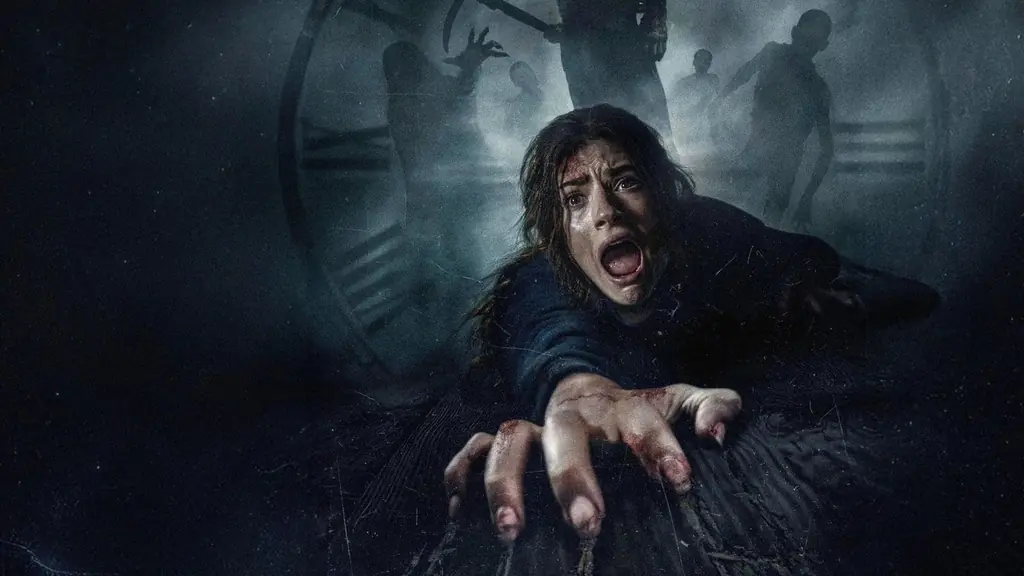
For its first half, Until Dawn delivers on that promise with surprising gusto. The characters, while largely serving as "meat sacks" for the film's inventive kills, provide ample opportunity for gruesome, entertaining deaths. The film doesn't shy away from jump scares, deploying them effectively to keep audiences on edge. The initial "rinse and repeat" mechanic, where characters die only to respawn and try again, is the film's strongest hook, offering a chaotic, unpredictable energy that keeps the viewer engaged. It's a delightful, bloody spectacle that initially feels like a spiritual successor to films like "Cabin in the Woods," complete with a classic horror trope of a warning from a gas station attendant, played by the always-welcome Peter Stormare.
Cameos, Nostalgia & Narrative Stakes
Peter Stormare's appearance is a neat nod for fans, a familiar face delivering the ominous warning before the group, including Ella Rubin, Michael Cimino, Odessa A'zion, Ji-young Yoo, Belmont Cameli, Maia Mitchell, and Tibor Szauerwein, ventures into peril. However, as the film progresses, this initial charm begins to unravel. The second half of Until Dawn hits a significant wall, becoming bogged down by excessive exposition and an over-reliance on explaining its own mythology. What started as a simple, effective premise devolves into a narrative "slog." A psychic character, seemingly introduced for convenience, points out MacGuffins and delivers plot points, feeling less like an organic part of the story and more like a clumsy narrative device. The biggest misstep comes with the revelation that the characters are on their "last life," effectively removing the very hook that made the first half so enjoyable – the consequence-free, inventive deaths. The film even teases audiences with a "sizzle reel" of unseen events, leaving viewers wishing they had witnessed those moments unfold rather than being told about them.
Tone, Direction & Creative Freedom
Under the direction of David F. Sandberg, the film struggles to maintain its initial tone. The shift from a fun, chaotic horror experience to a convoluted, exposition-heavy plot is jarring. The creative freedom that seemed to fuel the first half appears to dissipate, replaced by a need to over-explain. This tonal whiplash leaves the audience with zero emotional payoff for characters they were never truly invested in. Ultimately, Until Dawn begins to feel less like a standalone cinematic experience and more like an extended, expensive commercial designed to drive interest in the video game, leaving a lingering sense of missed potential.
The Final Verdict
While not an absolute waste of time, Until Dawn ultimately disappoints. Its initial promise of bloody, repetitive fun is squandered by a second half that prioritizes convoluted plot over engaging horror. For those curious, the recommendation is clear: enjoy the surprisingly entertaining first half, perhaps stopping once the characters are holed up in the bathroom. There are far more compelling films currently in theaters. However, should it arrive on a streaming service you subscribe to, the first act offers enough inventive kills and a clever premise to warrant a partial watch, even if the full experience leaves much to be desired. It might just make you want to play the game instead.
What Worked
- Clever "rinse and repeat" premise in the first half.
- Inventive, bloody kills and effective jump scares.
- Surprisingly entertaining and chaotic initial energy.
- [[person:53|Peter Stormare]]'s fun cameo.
- Intriguing enough to spark interest in the video game.
What Didn't Work
- Second half becomes a "slog" with excessive, boring exposition.
- Lack of character development or emotional investment.
- The "last life" reveal removes the core fun of the premise.
- Feels like a prolonged commercial for the video game.
- Zero emotional payoff for the characters or story.