Introduction
Abraham Lincoln: Vampire Hunter arrived with a premise so wild, it practically wrote its own hype. The idea of America's 16th president secretly wielding an axe against the undead promised a no-holds-barred action spectacle. Audiences weren't looking for a historical drama – that was coming later with Daniel Day-Lewis – but rather a pure, unadulterated dose of presidential vampire slaying. The anticipation was palpable for a film that dared to ask: what if Honest Abe was also a badass vampire slayer?
The Lead Dynamic & The Action
The film kicks off with a young Benjamin Walker as Lincoln, driven by a personal vendetta after a vampire claims his mother. Enter Dominic Cooper's character, who takes on the role of mentor, training Lincoln in the art of vampire dispatch. This training sequence, a classic montage, is genuinely cool, harkening back to the best of 80s action cinema. When Lincoln finally unleashes his fury, the action is surprisingly bloody and visceral, with heads rolling and axes swinging. Yet, a peculiar disconnect emerges: for a significant portion, the protagonist is just 'some young dude named Abraham who kills vampires.' The unique selling point – President Abraham Lincoln – feels lost until much later, leaving the early narrative to stand on its own, which, frankly, it struggles to do.

Cameos, Nostalgia & Narrative Stakes
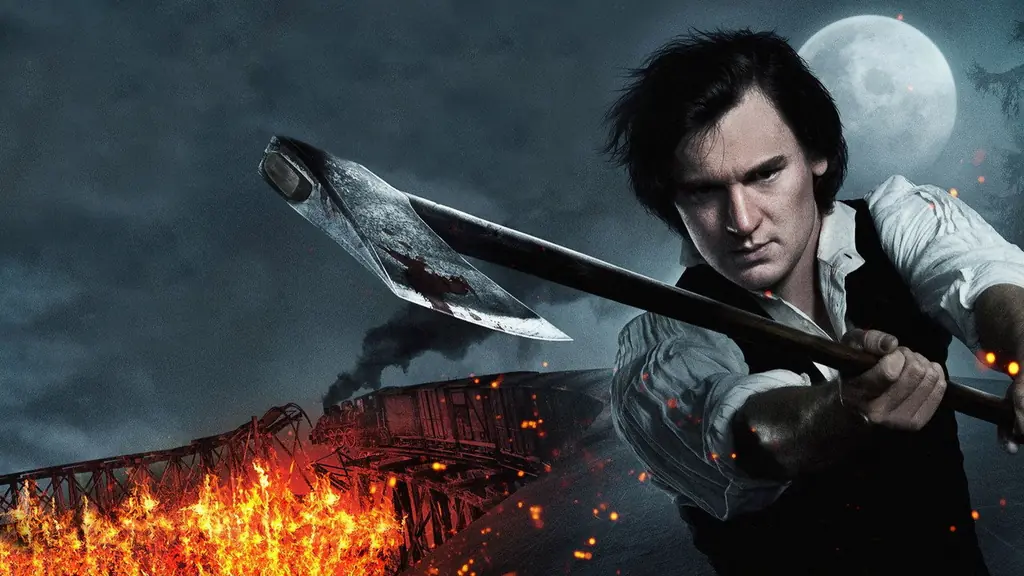
The film truly finds its footing, albeit briefly, when Lincoln finally dons the iconic beard and top hat, taking his place in the White House. This is the moment audiences came for: President Lincoln, axe in hand, battling the growing vampire threat amidst the backdrop of the Civil War. It’s a thrilling concept, but the execution quickly falters. The narrative struggles to balance its historical setting with its supernatural premise, often feeling poorly written when the initial gimmick wears thin. Pacing becomes an issue, with stretches that drag, leaving viewers yearning for more vampire action. The film's climax, intended to be its grandest spectacle, devolves into a CGI-heavy mess of fog and green screen, feeling less like a cinematic battle and more like a cutscene from a video game, complete with Lincoln hopping between horses in a chase that looks decidedly artificial.
Tone, Direction & Creative Freedom
Director Timur Bekmambetov certainly leans into the stylistic, but his most glaring misstep is the relentless overuse of slow motion. What begins as an impactful visual choice quickly becomes a tedious distraction, draining the excitement from otherwise potentially thrilling fight sequences. Every dodge, every swing, every impact is stretched out, making the action predictable and dull. The film’s reliance on CGI, particularly in its final act, further detracts from the gritty, bloody aesthetic established earlier. While the source material, a novel, is reportedly a rip-roaring success, its translation to the big screen feels uneven, as if the filmmakers had a fantastic concept but struggled with consistent execution, ultimately sacrificing narrative coherence and genuine excitement for stylistic flourishes that don't always land.
The Final Verdict
Abraham Lincoln: Vampire Hunter is a film with flashes of brilliance and genuinely cool moments, particularly in its early, bloody action and the sheer audacity of its premise. However, it's ultimately hampered by an uneven pace, a script that struggles to maintain interest without its central gimmick, and a pervasive overuse of slow motion that saps the energy from its fight scenes. The climax, a green-screened blur, is a particular disappointment. It's a movie that can be a 'good time' under specific, less critical circumstances, perhaps best enjoyed with a group of friends and a few drinks, transforming its flaws into fodder for shared amusement rather than critical scrutiny.
What Worked
- Audacious and unique premise
- Cool training montage sequence
- Surprisingly bloody and visceral action
- Moments when President Lincoln finally fights vampires
What Didn't Work
- Relentless overuse of slow motion
- Uneven pacing with boring stretches
- CGI-heavy, green-screened climax feels artificial
- Writing struggles when the central gimmick wears thin