Introduction
When After Earth crash-landed into theaters, the anticipation was palpable. Here was M. Night Shyamalan, a director known for his distinctive, if sometimes divisive, style, tackling a survival epic starring the formidable Will Smith alongside his son, Jaden Smith. The premise alone hinted at a gripping tale: a father and son stranded on a hostile, future Earth, teeming with deadly predators, with only the younger generation capable of navigating its dangers. It sounded like a recipe for a tense, character-driven sci-fi adventure.
The Lead Dynamic & The Action
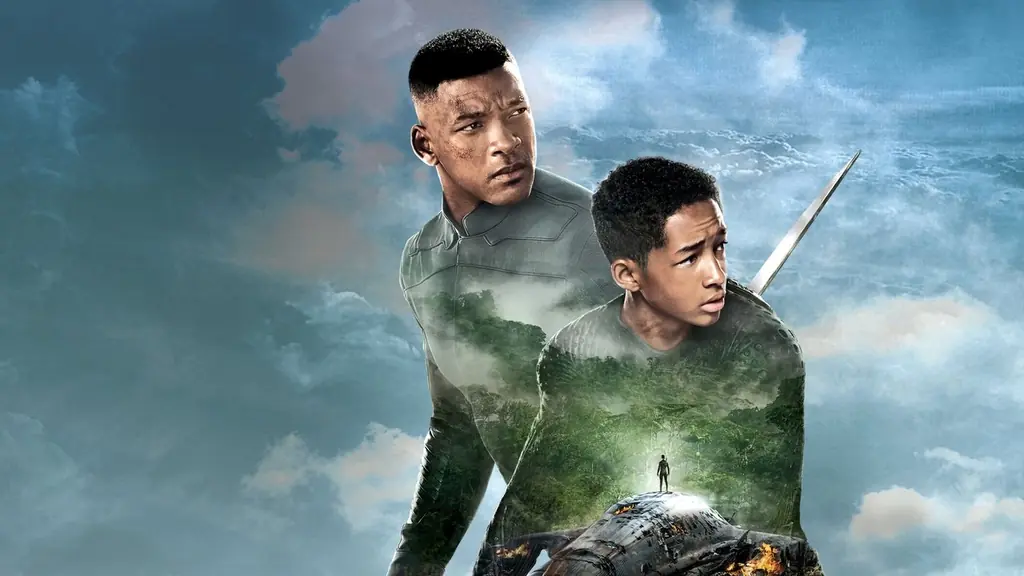
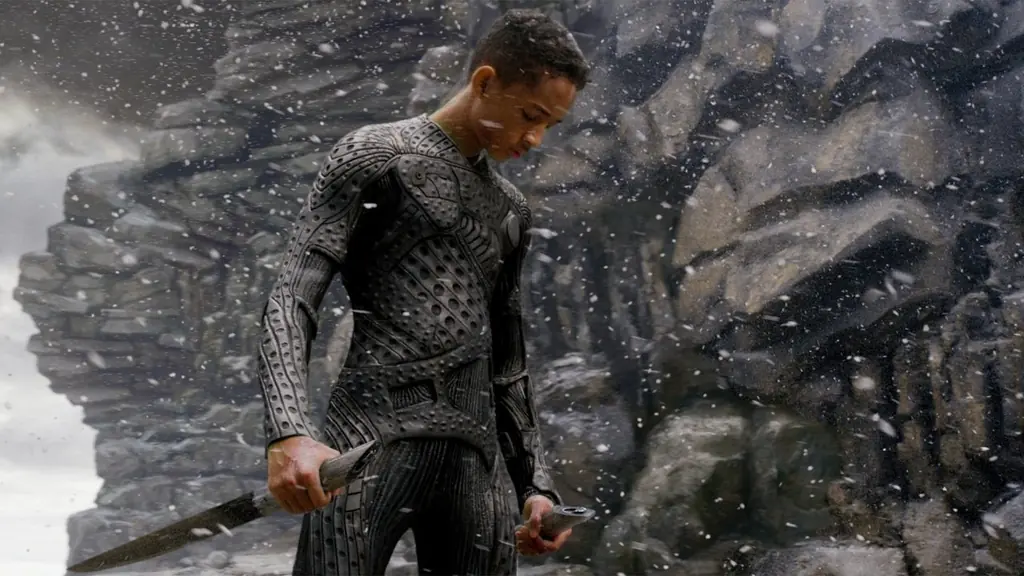
The film centers on Will Smith's character, a stoic, emotionless soldier, and his son, played by Jaden Smith. After their craft is damaged, leaving the elder Smith injured, it falls to Jaden Smith to venture into the perilous wilderness to retrieve a crucial beacon. Communication is maintained via an "Omni tool," a neat concept that promises a constant, guiding presence. However, the dynamic between the two leads quickly becomes a significant hurdle. Will Smith's portrayal of a distant, emotionless father, while intentional, renders his character profoundly boring. His son, unfortunately, struggles to carry the emotional weight of the narrative, often appearing uninteresting and lacking the seasoned acting chops needed to elevate the material. What should have been a compelling father-son bonding journey through adversity instead feels like a slow, uninspired survival movie where half the cast is dull and the other half struggles to keep pace.
Cameos, Nostalgia & Narrative Stakes
After Earth attempts to build its narrative around Jaden Smith's character conquering his fear, a journey meant to transform him into a stoic, emotionless figure much like his father. This core thematic conflict creates a bewildering paradox: why should audiences root for a character to become emotionless, especially when the film simultaneously tries to foster investment in their father-son bond? The narrative is further hampered by baffling plot contrivances. In one particularly egregious instance, a predator, clearly established as a deadly threat, inexplicably saves Jaden Smith's life later in the film. Such moments feel less like organic storytelling and more like convenient shortcuts to extract characters from tight spots, undermining any sense of genuine danger or logical progression. The film is populated by boring characters in a boring world, leading to a largely unengaging experience.
Tone, Direction & Creative Freedom
M. Night Shyamalan is no stranger to slow-burn narratives, and his earlier works often leveraged this pace to build intrigue and deliver impactful stories. However, in After Earth, his direction contributes to the film's overall sluggishness without the payoff of compelling storytelling or character development. The choice to pair Jaden Smith with a director whose recent track record includes films like The Happening did little to help the young actor hone his craft. Instead of guiding him to a stronger performance, the direction seems to have set him back. The film's tone is consistently flat, and the pacing drags, leaving viewers with a sense of boredom rather than suspense or excitement. It's a far cry from the director's earlier, more captivating slow-paced thrillers.
The Final Verdict
Ultimately, After Earth is a profound disappointment. What could have been a thrilling sci-fi survival story with a compelling father-son dynamic devolves into a tedious and often illogical slog. The film's ending, where Will Smith's first reaction upon seeing his son is a military salute rather than a paternal embrace, perfectly encapsulates its thematic missteps. Despite a single tear, this action suggests a continued emphasis on soldierly respect over familial love, leaving the audience questioning the supposed growth of their bond. For all its potential, After Earth is a cinematic misfire that struggles to find its footing, delivering an experience that is more "dog" than gold or even silver.
What Worked
- Intriguing initial premise of a hostile, predator-filled Earth.
- The "Omni tool" concept for remote communication.
- [[person:2888|Will Smith]]'s committed portrayal of a stoic character.
What Didn't Work
- Boring and uninteresting lead characters.
- Underdeveloped acting from [[person:120724|Jaden Smith]].
- Illogical plot points, such as a predator inexplicably saving a character.
- Conflicting thematic messages about fear and emotion.
- Unsatisfying and abrupt ending that undermines character growth.
- Sluggish pacing and uninspired direction from [[person:11614|M. Night Shyamalan]].