Introduction
When news broke that Tyler Perry would be stepping into the shoes of Alex Cross, a character famously portrayed by Morgan Freeman, anticipation was certainly in the air. Audiences wondered how Perry, known for his comedic and dramatic roles, would tackle the cerebral detective. The stage was set for a fresh take on a beloved character, promising a blend of psychological deduction and thrilling action.
The Lead Dynamic & The Action
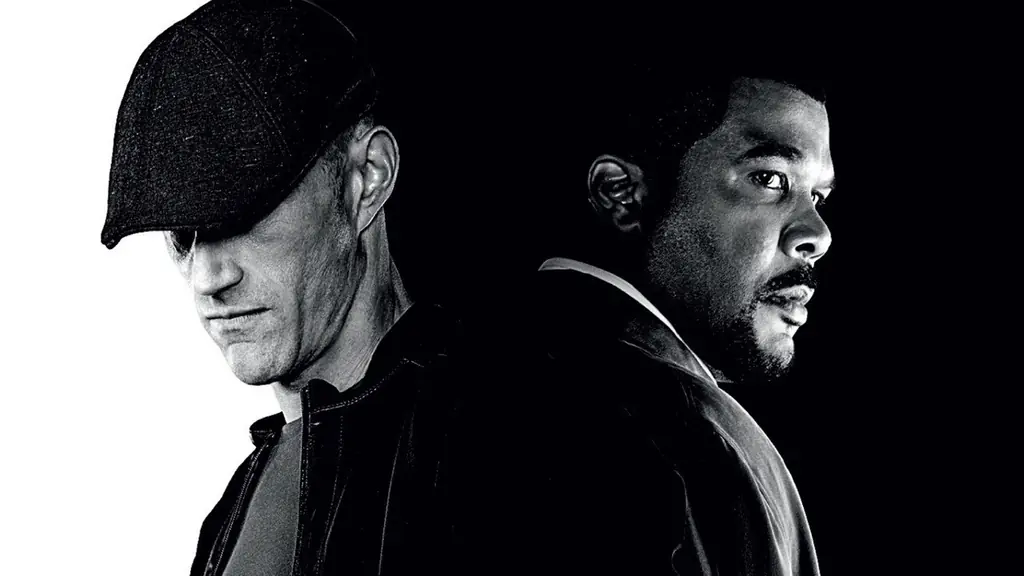
Alex Cross introduces its titular hero, played by Tyler Perry, as a master of logic, reason, and psychological deduction, capable of getting inside the minds of criminals. He operates with a crew that includes Edward Burns and the "hot chick" Rachel Nichols. However, the film's most compelling dynamic isn't between the heroes, but rather the chilling performance from Matthew Fox as the "lunatic" villain. Fox delivers a truly unhinged portrayal, complete with "crazy eyes" and a menacing enunciation that makes his character genuinely unsettling. He's the kind of deranged antagonist that elevates any crime thriller.
Unfortunately, the film's action sequences, particularly the climactic showdown between Tyler Perry and Matthew Fox, are severely hampered by what can only be described as some of the worst shaky cam ever committed to film. The camera work is so disorienting that it actively detracts from the experience, making it nearly impossible to follow the fight choreography. It's a glaring misstep that undermines what could have been a tense and exciting finale.
Cameos, Nostalgia & Narrative Stakes
Despite the intriguing premise, Alex Cross struggles to establish itself as a memorable cinematic experience. The narrative feels remarkably generic, often resembling a pilot episode for a television series rather than a standalone feature film. The plot, revolving around a bad guy killing people and Cross's team needing to stop him, is as straightforward as it gets. This "TV episode" quality permeates the entire movie, leaving viewers with a sense that they're watching something that should have been on the small screen.
The film also suffers from a lack of character investment. While Tyler Perry is present as the lead, his performance is largely forgettable. His portrayal of Alex Cross is so understated that the character, whose name is in the title, barely registers. This makes it difficult for audiences to care about the stakes, as the lead character simply "exists" rather than commands attention or empathy.
Tone, Direction & Creative Freedom
Directed by Rob Cohen, the film attempts to blend psychological thriller elements with action, but the execution often falls flat. The tone is inconsistent, oscillating between serious crime drama and moments that feel underdeveloped. The direction, particularly during the action sequences, suggests a lack of creative freedom or perhaps a misjudgment in technique, especially with the infamous shaky cam. The film never quite finds its footing, resulting in a viewing experience that is more average than engaging.

The Final Verdict
Alex Cross is a largely forgettable entry in the crime thriller genre. While Matthew Fox delivers a genuinely chilling performance as the villain, it's not enough to salvage a film plagued by a generic plot, a forgettable lead, and notoriously poor action cinematography. It feels less like a cinematic event and more like a television pilot that somehow made it to the big screen. Don't expect to remember much about it the day after watching.
What Worked
- Matthew Fox delivers a genuinely unsettling and memorable villain performance.
- The premise of Alex Cross as a master of psychological deduction is intriguing.
- Features a capable supporting cast including Edward Burns and Rachel Nichols.
- Offers a straightforward, if generic, crime thriller plot.
What Didn't Work
- Tyler Perry's portrayal of Alex Cross is largely forgettable and unengaging.
- The film suffers from notoriously bad shaky cam during key action sequences.
- The plot feels generic and more akin to a television pilot than a feature film.
- Lacks memorable characters, making it difficult to invest in the narrative stakes.