Introduction
There's a long-standing debate among sci-fi aficionados: which reigns supreme, Alien or Aliens? For many, the answer is unequivocally the latter. Seven years after Ridley Scott's terrifying original, James Cameron took the reins, transforming the isolated horror into an explosive action spectacle. Sigourney Weaver returns as Ripley, a survivor haunted by her past encounters, now thrust back into the nightmare when contact is lost with a human colony on LV-426. The stage is set for a full-throttle confrontation, and Cameron delivers a sequel that not only honors its predecessor but carves its own legendary path.
The Lead Dynamic & The Action
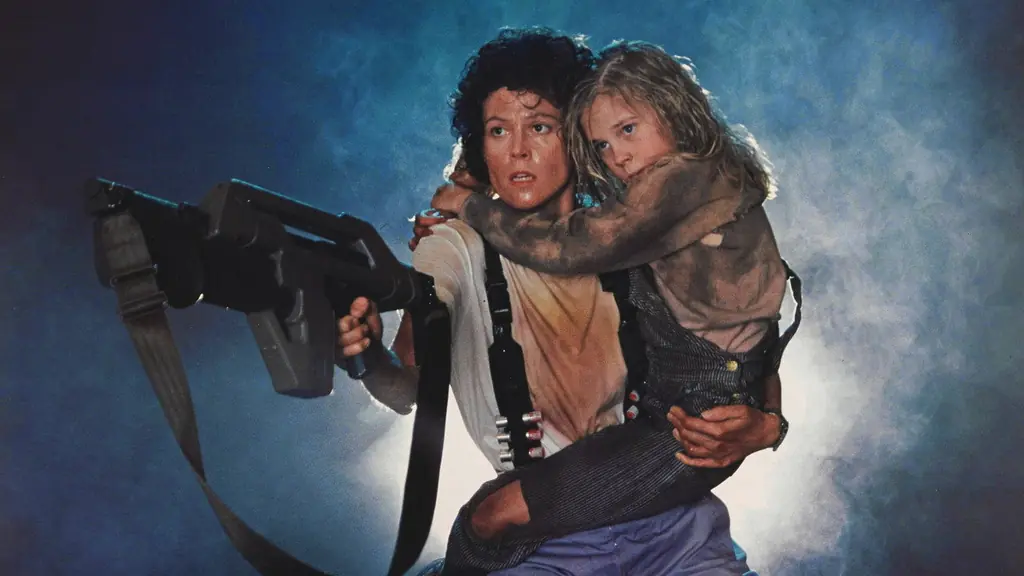
From the moment Ripley is reintroduced, it's clear she's a force to be reckoned with. Sigourney Weaver absolutely owns the role, crafting one of cinema's most iconic and formidable female protagonists. Her performance was so impactful, it even garnered an Oscar nomination—a rare feat for an action film of its kind. The film pivots from pure horror to an intense action-thriller, pitting heavily armed Marines against an entire hive of xenomorphs. While some of the Marines, like Bill Paxton's Hudson, provide comic relief, their effectiveness is quickly overshadowed by Ripley's sheer tenacity. The film's intensity is palpable, particularly in scenes like Ripley and Carrie Henn's Newt trapped with lurking facehuggers, creating nail-biting suspense. But the true highlight, the one-on-one showdown between Ripley in her power loader and the colossal Alien Queen, remains one of sci-fi's most legendary and satisfying climaxes.
Cameos, Nostalgia & Narrative Stakes
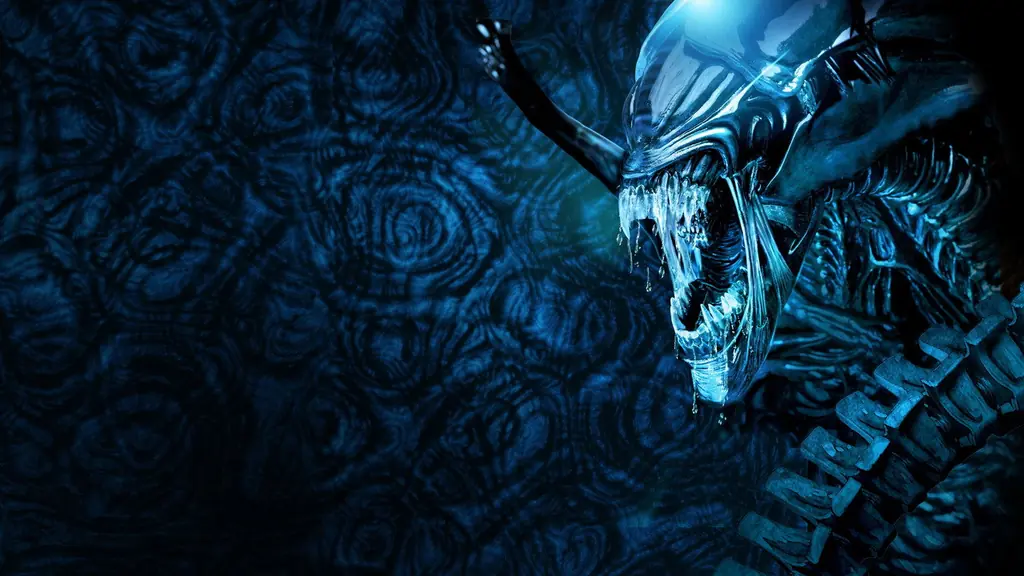
Aliens doesn't just rehash the original; it expands the lore significantly. While the first film presented the alien as a singular, mysterious terror, Cameron's sequel establishes a terrifying hive mentality, complete with drones and a menacing Queen. This revelation elevates the stakes, turning a creature feature into a full-scale war for survival. The narrative cleverly uses the Weyland-Yutani Corporation's colonial venture on LV-426 as the catalyst, ensuring that the return to the alien homeworld feels organic and necessary, rather than a forced plot device. The film balances its reverence for the original's atmosphere with a fresh, propulsive narrative that keeps audiences on the edge of their seats.
Tone, Direction & Creative Freedom
James Cameron's direction is a masterclass in controlled chaos. He successfully shifts the tone from the claustrophobic horror of Alien to an exhilarating, high-octane action experience without discarding the core elements that made the original so terrifying. The film maintains a relentless pace, punctuated by moments of genuine dread and explosive combat. It's a testament to Cameron's vision that he could take an established property and infuse it with such a distinct and powerful identity, proving that sequels can not only stand alongside their predecessors but, for many, surpass them in sheer entertainment value.
The Final Verdict
Aliens is an absolute powerhouse of an action movie. It's a thrilling, exciting, and genuinely kickass cinematic experience that has rightfully earned its place as a genre classic. With its iconic characters, groundbreaking creature design, and relentless action sequences, it's a film that continues to captivate and entertain audiences decades later. Whether you prefer the horror of the original or the action of the sequel, there's no denying the sheer impact and enduring appeal of this sci-fi masterpiece.
What Worked
- Sigourney Weaver's iconic, Oscar-nominated performance as Ripley
- Seamless transition from horror to an exhilarating action-thriller
- Groundbreaking and iconic final battle with the Alien Queen
- Expands the alien lore with a terrifying hive and Queen dynamic
- Relentless pacing and intense, suspenseful action sequences
What Didn't Work
- The significant tonal shift from pure horror may not appeal to all fans of the original
- Some supporting Marine characters are quickly dispatched, highlighting Ripley's singular effectiveness