Introduction
In an era saturated with found footage films, Apollo 18 arrived promising to unveil the truth behind a supposedly lost 18th lunar mission. The premise itself is intriguing: what if humanity did go back to the moon, and what if there was a terrifying reason we never returned? This film attempts to answer that question, positioning itself as the unearthed footage from that ill-fated journey. However, in a genre that has become a dime a dozen, the question quickly becomes whether this particular entry offers anything new to the conversation.
The Lead Dynamic & The Action
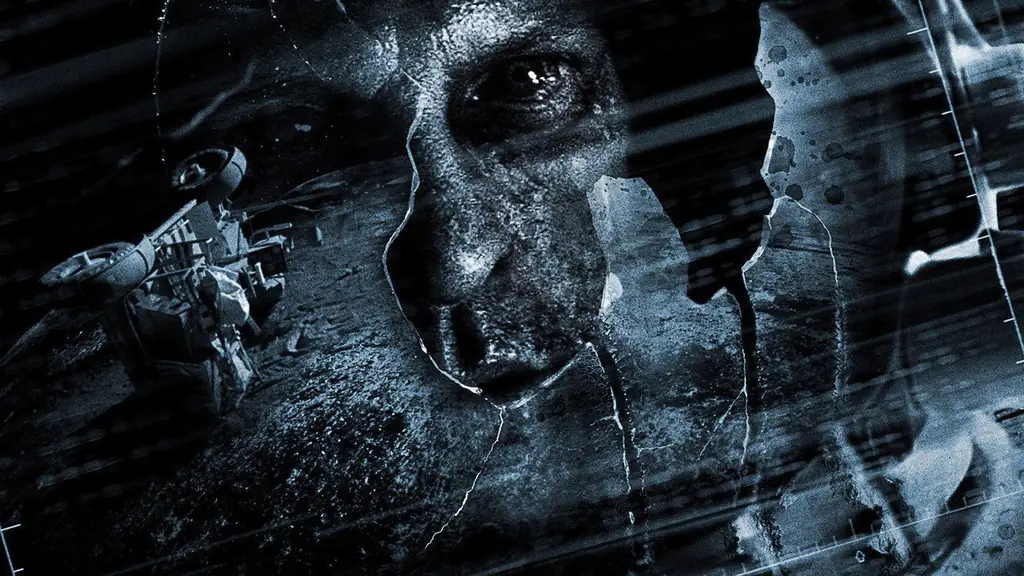
The core of the terror in Apollo 18 revolves around mysterious "creepy moon crabs" that infest the lunar module and, more disturbingly, the astronauts themselves. The film leans heavily into the trope of an alien presence driving its victims to madness, a common narrative device for low-budget, small-crew productions where the creatures themselves cannot be fully realized. These arachnid-like entities, reminiscent of the Rannoch from Mass Effect, are designed to get inside the body and warp the mind. While this concept provides a psychological layer to the horror, it's a familiar one, heavily telegraphed by the film's own trailers. The action, such as it is, primarily consists of the slow burn of paranoia and the inevitable descent into chaos as the astronauts succumb to the alien influence.
Cameos, Nostalgia & Narrative Stakes
Apollo 18 struggles to carve out its own identity within the found footage landscape. While it effectively mimics the aesthetic of genuine archival footage, the narrative offers little in the way of fresh scares or compelling stakes. The film doesn't introduce new fans to the genre; if Paranormal Activity didn't convert you, this certainly won't. Comparisons to other genre entries like Quarantine and Cloverfield reveal Apollo 18 as a less impactful experience. The terror feels distant, as the average viewer isn't an astronaut on the moon, making the stakes less relatable than, say, a demon haunting your own bed. The film relies on established genre conventions without innovating, making it feel more like a rehash than a groundbreaking discovery.
Tone, Direction & Creative Freedom
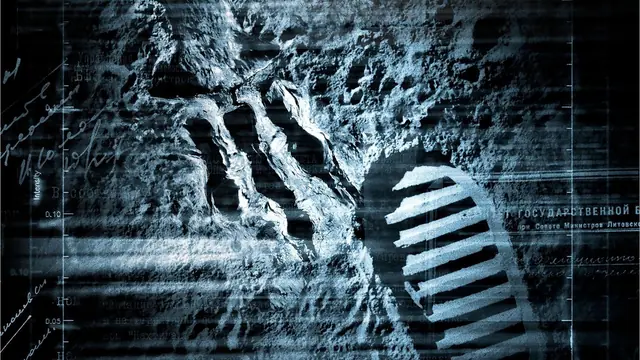
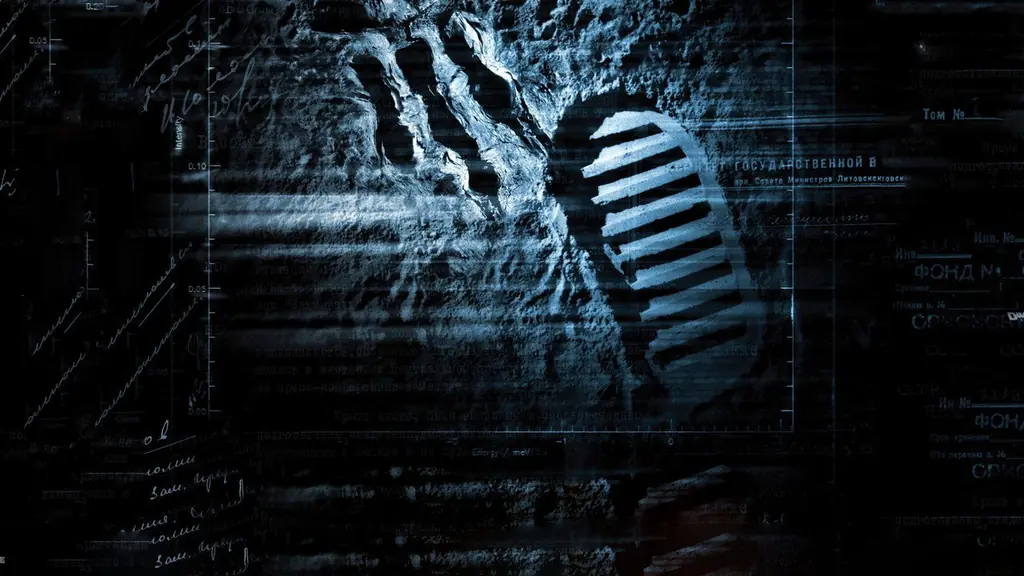
Director Gonzalo López-Gallego does manage to craft a legitimately convincing moon set, meticulously filmed to evoke a 1970s aesthetic. This attention to detail in production design is commendable and adds a layer of authenticity to the "found footage" conceit. For conspiracy theorists, the film's visual fidelity to a staged moon landing could even fuel their arguments. However, despite the strong visual foundation, the film's scares often fall flat. It frequently resorts to cheap jump scares rather than building genuine, sustained menace. The pacing is notably slow, a common characteristic of found footage, which means only those deeply invested in the subject matter of space horror will remain engaged. For many, this slow burn will simply be boring, failing to deliver the excitement or originality needed to stand out.
The Final Verdict
Apollo 18 is an "all right" entry into the found footage genre, but it's far from memorable. While it nails the authentic look of a 1970s lunar mission and effectively conveys the claustrophobia of its setting, it ultimately offers little beyond familiar tropes and a reliance on jump scares. Those who live and breathe found footage might find some enjoyment in its premise, but for the vast majority, it will likely be a forgettable journey into space. It does its job of making you feel like you're watching genuine footage, but that's about where its originality ends.
What Worked
- Legitimate-looking moon set and 1970s aesthetic
- Effectively creates the feeling of watching genuine found footage
- Intriguing premise of a secret, lost lunar mission
- Builds a sense of claustrophobia and isolation
What Didn't Work
- Slow pacing that may bore many viewers
- Lacks originality within the found footage genre
- Relies heavily on jump scares over genuine menace
- Creatures are not well-defined, leading to generic "madness" trope
- Less impactful and memorable than other found footage films