Introduction
After the divisive reception of "Cars 2", audiences eagerly awaited Pixar's next original offering, Brave. The initial promise was palpable: a vibrant tale set in ancient Scotland, featuring a headstrong princess determined to forge her own path. The setup hinted at a return to the studio's signature blend of humor, heart, and sophisticated storytelling that appeals to all ages.
The Lead Dynamic & The Action
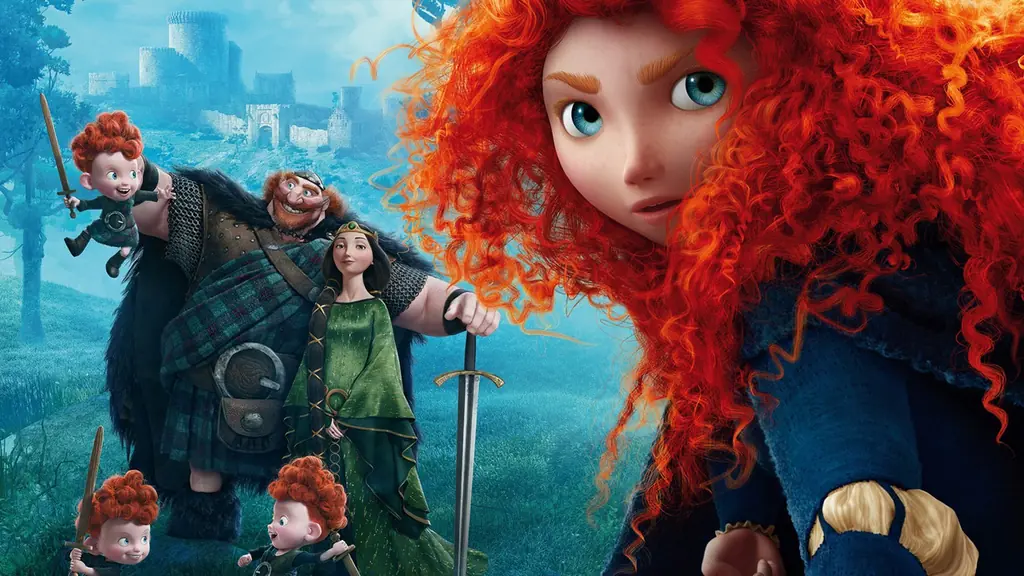
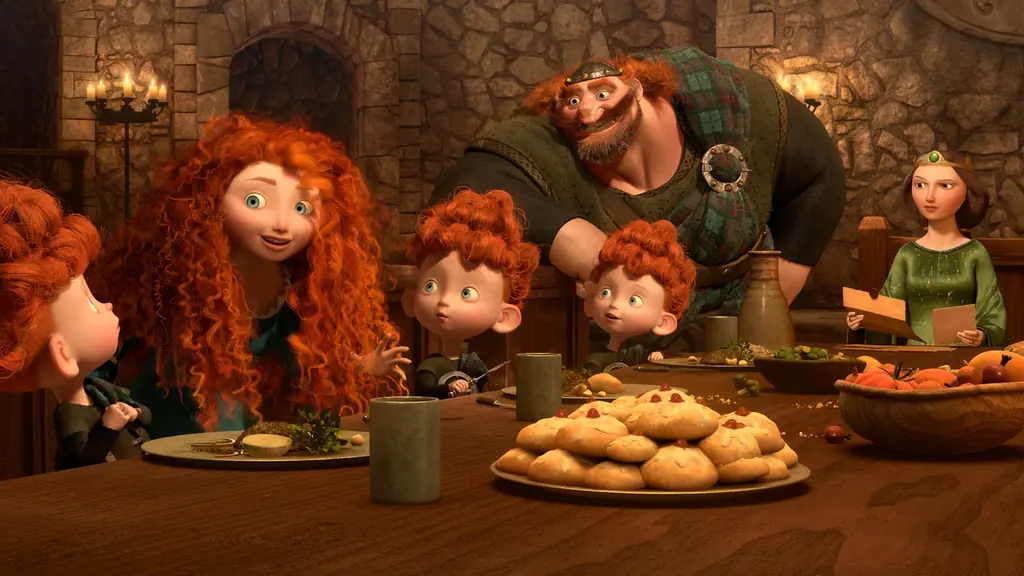
From the outset, Kelly Macdonald's Princess Merida captivates as a "really cool chick" who defies traditional expectations. She's a skilled archer, reminiscent of legendary figures like Legolas or Robin Hood, and her desire to "change her fate" immediately endears her to the audience. Her family, particularly her father, voiced by the incomparable Billy Connolly, adds a layer of charm and humor, with Connolly's performance being highlighted as "just the best." The film establishes a compelling backstory involving four kingdoms, setting the stage for a grand adventure where Merida's choices could have significant repercussions.
Cameos, Nostalgia & Narrative Stakes
The narrative takes a sharp turn when Merida seeks magical intervention to alter her destiny. What begins as a promising, mature Pixar film quickly devolves into a straightforward "kids movie." This abrupt shift is described as a "bait and switch," where the initial adult appeal is sacrificed for a more juvenile tone. The potential for high stakes—such as kingdoms falling apart or characters facing dire consequences—is completely sidestepped. The film shies away from the kind of impactful storytelling often seen in Disney classics, where characters genuinely face loss or significant challenges. The absence of a true antagonist is also a major point of contention; the "biggest bad guy in the movie is a bear," which feels decidedly "unexciting" given the initial setup.
Tone, Direction & Creative Freedom
The tonal whiplash is Brave's most significant misstep. The film transitions from a "badass" adventure to merely "cute," losing much of its initial allure for adult viewers. Pixar has historically set a high bar, crafting films that resonate with both children and adults. However, Brave struggles to maintain this balance, ultimately settling for a simpler, less ambitious narrative. This creative choice leaves the audience feeling "sucker punched" by a story that promised depth but delivered only superficial charm.
The Final Verdict
Brave offers a compelling first half, driven by a strong protagonist and a rich world. However, its sudden pivot into a purely children-focused narrative undermines its potential, leaving adult viewers with a sense of missed opportunity. While it might be an "okay" watch for kids, it lacks the memorable impact and sophisticated storytelling that Pixar is known for. It's a film that starts with a roar but ends with a whimper, quickly fading from memory once the credits roll.
What Worked
- Merida is a strong, rebellious, and likable protagonist.
- The initial setup and world-building are engaging.
- Billy Connolly's voice performance as Merida's father is a highlight.
- The film starts with a promising, mature Pixar vibe.
What Didn't Work
- The movie undergoes a jarring tonal shift into a pure kids' film.
- Lacks a compelling villain, with the main antagonist being a bear.
- Missed opportunities for higher narrative stakes and consequences.
- Fails to deliver the sophisticated storytelling expected from Pixar for adults.