
Introduction
When Bright first hit the scene, it arrived with the promise of a genre mash-up unlike any other: the gritty, street-level policing of "End of Watch" colliding head-on with the fantastical realms of "Lord of the Rings." Directed by David Ayer, known for his intense, character-driven dramas, the film aimed to integrate elves, orcs, and fairies into a modern-day Los Angeles, creating an alternate reality where ancient magic coexists with contemporary urban strife. The concept alone was enough to pique curiosity, suggesting a world ripe with potential and fresh narrative avenues.
The Lead Dynamic & The Action
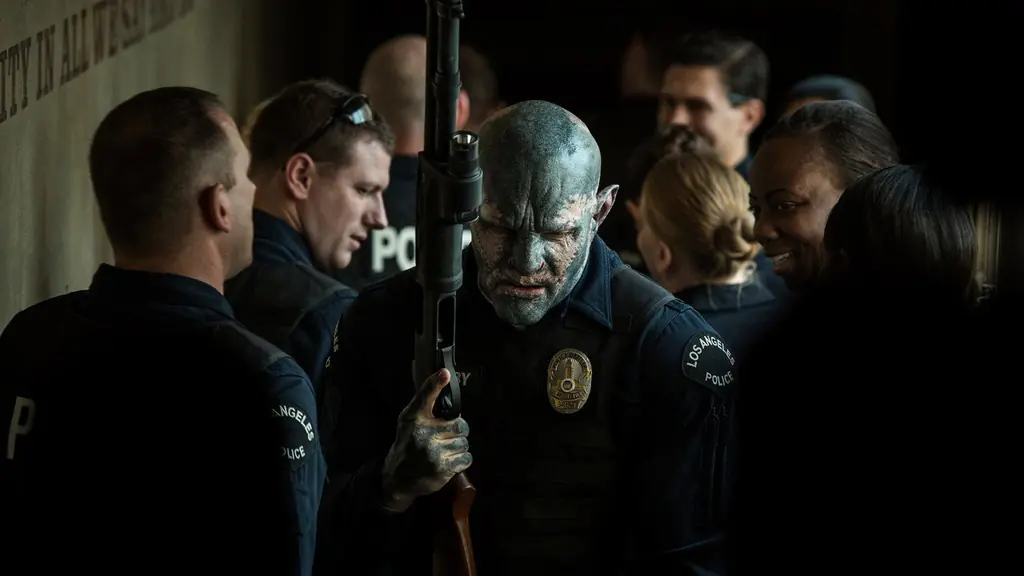
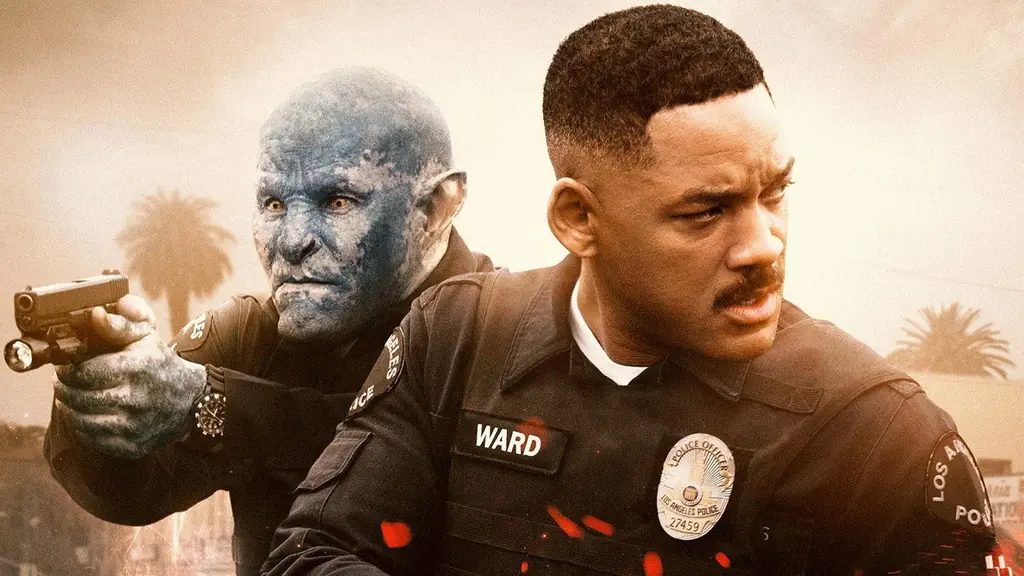
At its core, Bright is a buddy-cop story, pairing a human officer, Ward (Will Smith), with the LAPD's first Orc cop, Jakoby (Joel Edgerton). Initially, their chemistry is notably absent, feeling forced and lacking the natural bickering that defines great cinematic partnerships. Early scenes of them arguing in a car drag on, making their forced alliance feel more like a chore than a compelling dynamic. However, as the film progresses and the stakes escalate, a genuine, albeit hard-won, camaraderie begins to emerge, eventually paying off the initial awkwardness.
The action sequences, while present, often serve as punctuation to what largely feels like an extended escort mission. The duo finds themselves protecting a young elf girl (Lucy Fry) and a powerful magic wand, leading them through a gauntlet of human and orc gangs. These confrontations provide moments of visceral excitement, showcasing the brutal reality of this fantastical underworld. Yet, despite the occasional burst of violence, the film struggles to maintain a consistent level of engagement, often feeling like a series of disconnected skirmishes rather than a cohesive, escalating threat.
Cameos, Nostalgia & Narrative Stakes
The film's world-building, while conceptually fascinating, often stumbles in its execution. The integration of fantasy elements into modern society is used to explore themes of racial profiling, with lines like "fairy lives don't matter" attempting to draw parallels to real-world issues. However, this commentary often lands with a heavy hand, feeling "on the nose" rather than subtly integrated. The narrative also introduces historical references, such as the Alamo and Shrek, which, in a world where orcs and elves have always existed, create logical inconsistencies that can pull a discerning viewer out of the experience. If orcs are real, the very premise that makes Shrek a fantasy tale falls apart, highlighting a lack of careful consideration in the lore.
Furthermore, the script itself is a significant point of contention. Dialogue often feels clunky, with lines that seem to have bypassed critical review during production. The overuse of profanity, particularly the word "f***," becomes grating, attempting to signal a gritty, R-rated edge but instead coming across as forced and immature. Unlike the stylistic and purposeful use of expletives in a Quentin Tarantino film, here it feels like posturing, an attempt to appear tough rather than a genuine reflection of character or situation. This constant barrage of unnecessary cursing detracts from any potential immersion, making the film feel more like a straight-to-DVD offering than a major studio production.
Tone, Direction & Creative Freedom
David Ayer's direction attempts to blend his signature gritty realism with high fantasy, but the result is a mixed bag. The film often feels too long, dragging in places where a tighter edit could have significantly improved the pacing. What could have been a solid, punchy Netflix movie at 15 minutes shorter, instead overstays its welcome. There are also moments of "choppy" editing, suggesting that some scenes might have been re-filmed or re-arranged, creating an uneven flow that disrupts the narrative momentum. The overall aesthetic, while aiming for cool and stylistic, often veers into blandness, failing to fully capitalize on the unique visual opportunities presented by its premise.
Despite these missteps, the underlying concept of Bright remains its strongest asset. The world itself, with its potential for rich storytelling and diverse characters, shines through in glimpses. It's a world that clearly has more stories to tell, even if this particular outing struggles to tell them effectively. The film feels like a proof-of-concept for a much grander universe, hinting at what could be rather than fully delivering on its promise.
The Final Verdict
Bright is a film that sparks debate, a "mixed bag" that isn't quite the "bus fire" some critics declared, nor is it a hidden gem. It's a movie that can be enjoyed, particularly by fantasy fans willing to overlook its significant flaws for the sake of its ambitious premise. The world of Bright has undeniable potential, and by its conclusion, the dynamic between Ward and Jakoby does find its footing. If you're in the mood for a unique, if imperfect, blend of urban fantasy and action, and perhaps a little less critical, there's some fun to be had here. Just don't expect a seamless, tightly-written experience.
What Worked
- Intriguing concept of urban fantasy meets cop drama
- World-building shows undeniable potential for future stories
- Eventual, hard-won chemistry between the lead characters
- Visceral action sequences with human and orc gangs
What Didn't Work
- Clunky script with awkward dialogue and forced profanity
- Uneven pacing and excessive runtime that drags the narrative
- Heavy-handed and inconsistent execution of racial profiling themes
- Choppy editing in places, disrupting narrative flow



