
Introduction
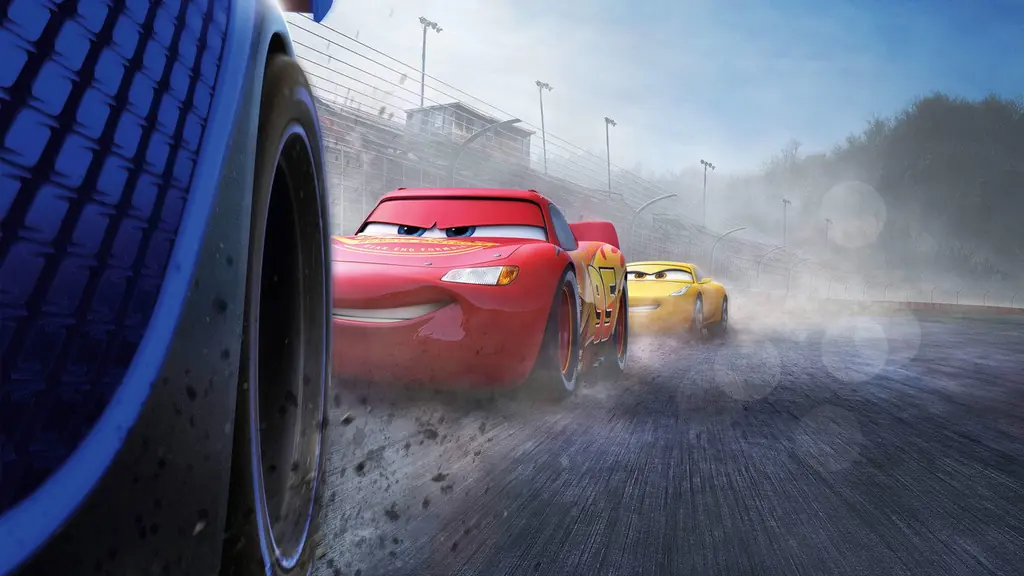
After the polarizing reception of its predecessor, Cars 3 rolled onto screens without much fanfare, leaving many wondering if a third installment was truly necessary. This time, the focus shifts squarely back to the beloved race car, Lightning McQueen, thankfully sidelining the tow truck antics that dominated the second film. The premise is simple: a new generation of high-tech racers threatens to push McQueen out of the sport he loves, forcing him to train harder and find his inner "mojo" once more.
The Lead Dynamic & The Action
Cars 3 attempts to deliver a compelling comeback story for Lightning McQueen, voiced by Owen Wilson. The narrative sees him in a slump, needing rigorous training to compete with the younger, faster cars. While this setup has potential, the film quickly becomes bogged down by an overabundance of plot points. It feels as though the filmmakers tried to cram too much into a single movie, diluting the impact of any one storyline. This narrative bloat prevents deeper character development and a more focused exploration of McQueen's journey. The first half, in particular, struggles to land its jokes, leading to a surprisingly humorless experience for a significant portion of the runtime.

Cameos, Nostalgia & Narrative Stakes
The film's biggest narrative misstep is its attempt to be "three Rocky movies crammed into one." While a single "Rocky"-esque arc could have been engaging, the sheer volume of subplots creates a disjointed experience. There are moments of surprisingly good dialogue, particularly between Lightning McQueen and his trainer, voiced by Cristela Alonzo. However, these moments often arrive too late or are overshadowed by the film's relentless need to introduce another narrative thread. The pacing suffers, and what could have been a poignant story about aging and legacy becomes a muddled affair. Even the target audience, young children, seemed disengaged, with reports of kids in the audience talking amongst themselves rather than focusing on the screen.
Tone, Direction & Creative Freedom
There's a distinct feeling that Cars 3 might have been two different movies stitched together. The shift in tone and quality between the first and second halves is palpable, almost as if a different creative team took over mid-production. The latter third of the film shows significant improvement, offering a more cohesive and engaging experience. However, this late surge isn't enough to redeem the earlier struggles. Director Brian Fee seems to grapple with balancing the film's ambitious themes with its need to entertain, resulting in an uneven final product that leaves audiences feeling more tired than thrilled.
The Final Verdict
Cars 3 is a film with good intentions and a few bright spots, but it ultimately buckles under the weight of its own narrative ambition. While the second half offers a glimpse of the compelling story it could have been, the overall experience is forgettable and often dull. It's a movie that struggles to find its comedic voice and narrative focus, leaving audiences with a sense of exhaustion rather than excitement. For those seeking a truly memorable animated adventure, this one might be best left in the pit stop.
What Worked
- Focuses on Lightning McQueen, not Mater
- The latter third of the film is surprisingly engaging
- Features some surprisingly good dialogue moments
- Visually polished and vibrant
- Explores themes of aging and mentorship
What Didn't Work
- Overloaded with too many plot points
- First half is largely humorless and boring
- Jokes often fail to land effectively
- Feels like two different movies crammed into one
- Ultimately forgettable and leaves audiences tired



