Introduction
Remember when "found footage" was all the rage? From shaky cam horrors to mockumentary comedies, the genre promised raw, unfiltered realism. But then came Chronicle, a film that didn't just dabble in the format; it weaponized it. Initial trailers hinted at something intriguing, yet there was always that nagging doubt: could a movie about high schoolers gaining telekinetic powers avoid falling into the realm of the ridiculous? Screenverse can confirm, Chronicle doesn't just avoid it; it soars past expectations, delivering a surprisingly potent and dark take on the superhero origin story.
The Lead Dynamic & The Action
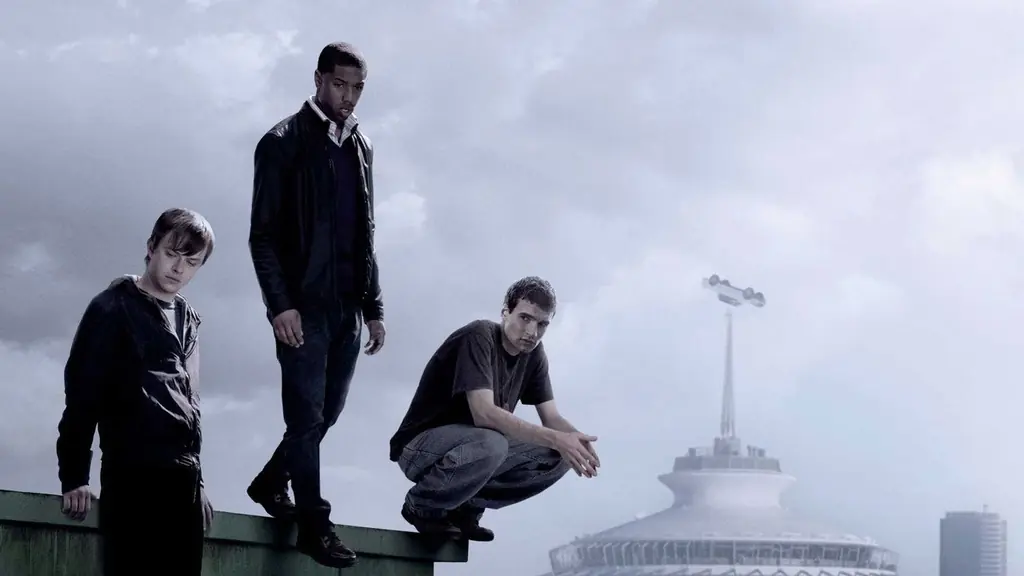
At its core, Chronicle zeroes in on the most compelling of its three protagonists: the socially outcast kid, played with unsettling intensity by Dane DeHaan. This isn't your typical bullied teen fantasy. We witness his struggles firsthand, the abuse from his stepdad, the isolation at school. It's genuinely tough to watch, made even more visceral by the found footage perspective that thrusts the audience directly into his grim reality. So, when he, alongside his friends Alex Russell and Michael B. Jordan, stumbles upon a mysterious, glowing object in the woods and gains telekinetic powers, there's an immediate, almost primal urge for retribution. The thought crosses every viewer's mind: "Oh, this kid gets powers? Oh, I can't wait."
But Chronicle isn't content with simple wish fulfillment. It meticulously charts the journey of these newfound abilities. The early scenes of them experimenting with their powers are genuinely sweet and liberating. Imagine the sheer joy of learning to move objects with your mind, or better yet, learning to fly by simply levitating yourself. The film captures this sense of wonder and freedom beautifully. While some of the flying sequences might not boast the most polished special effects – giving the impression the film was made on a shoestring budget – the found footage style cleverly works around these limitations. It still feels more real, more immediate, than many big-budget blockbusters, drawing the audience into the characters' exhilarating, if sometimes visually imperfect, experiences.
The Descent into Power & Narrative Stakes
What truly sets Chronicle apart is its audacious narrative pivot. This isn't just another superhero origin story; it's a chillingly effective supervillain origin story. The film masterfully explores the corrupting influence of unchecked power, especially when wielded by emotionally vulnerable individuals. The stakes escalate dramatically as the initial playful experiments give way to darker impulses and devastating consequences. The narrative doesn't shy away from the destructive potential of these abilities, painting a grim picture of how easily power can be abused.
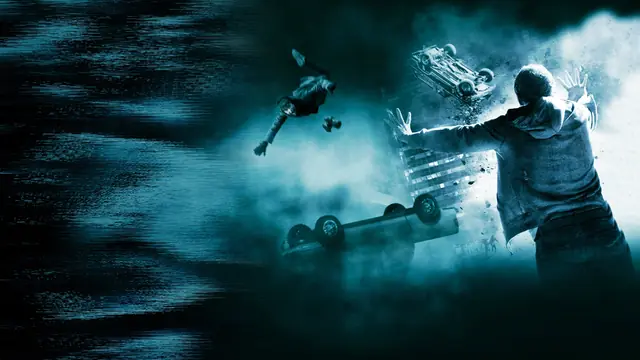
By the film's climax, the stakes are sky-high, culminating in an explosive confrontation that feels both epic and deeply personal. The reviewer noted its resemblance to the iconic ending of "Superman 2," but with a crucial distinction: it's "less cheesy" and features telekinetic powers rather than heat vision or frost breath. This comparison highlights the film's ability to deliver a grand-scale battle while maintaining its grounded, character-driven focus, making the destruction feel earned and impactful rather than gratuitous.
Tone, Direction & Creative Freedom
Director Josh Trank's decision to embrace the found footage format is a stroke of genius. It's not just a gimmick; it's integral to the film's tone and immersive quality. The raw, unpolished aesthetic makes the extraordinary events feel incredibly real, as if we're watching genuine, unedited footage of these teenagers' lives spiraling out of control. Even when the special effects for flying or telekinetic feats aren't Hollywood-glossy, the found footage perspective lends them an authenticity that more polished visuals might lack. It's a testament to how creative constraints can sometimes foster greater artistic impact, making the audience feel like they are truly living through the characters' experiences.
This approach allows the film to explore complex themes of abuse, loneliness, and the allure of power with a gritty realism that traditional superhero narratives often struggle to achieve. The pacing is relentless, building tension steadily as the characters' powers grow and their moral compasses begin to waver. Josh Trank demonstrates a keen understanding of how to leverage the genre's strengths, delivering a film that feels both intimate and grand in its scope.

The Final Verdict
Chronicle is a rare gem that transcends its genre trappings. It's a compelling, often unsettling, journey into the heart of what it means to suddenly possess unimaginable power. The film's unique blend of found footage realism and a dark, character-driven narrative makes it an unforgettable experience. It's a film that lingers long after the credits roll, prompting reflection on the nature of power and responsibility. For those seeking a superhero story with a genuine edge and a willingness to explore the darker side of extraordinary abilities, Chronicle is an absolute must-watch. It's a film Screenverse would happily add to its Blu-ray collection, a true standout in the crowded landscape of origin stories.
What Worked
- A fresh, compelling take on the superhero/villain origin story.
- Effective use of the found footage genre for immersive realism.
- Deep dive into a socially outcast character's journey.
- Engaging exploration of telekinetic powers and flight.
- Powerful and less cheesy ending than expected.
What Didn't Work
- Some visual effects, particularly flying, appear unpolished.
- Budget constraints occasionally visible in certain scenes.