Introduction
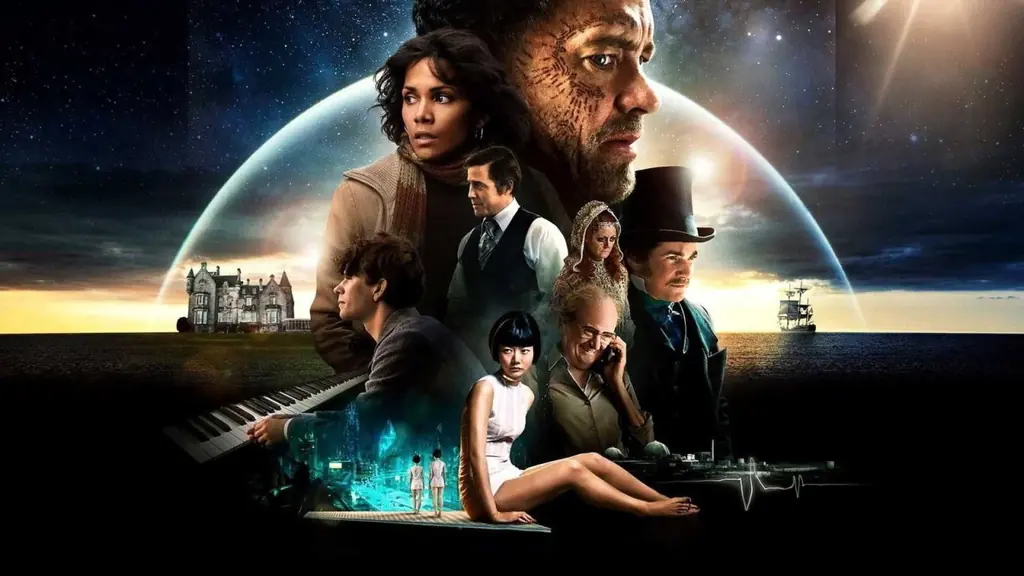
The anticipation for Cloud Atlas was palpable, a sprawling epic from the visionary minds behind The Matrix, Lilly Wachowski and Lana Wachowski, alongside Tom Tykwer. This isn't a single narrative but a mosaic of interconnected stories spanning centuries, all bound by the profound concept of reincarnation and how actions echo through time. It promised a grand cinematic experience, a bold undertaking that immediately divided audiences into fervent admirers and staunch detractors.
The Lead Dynamic & The Action
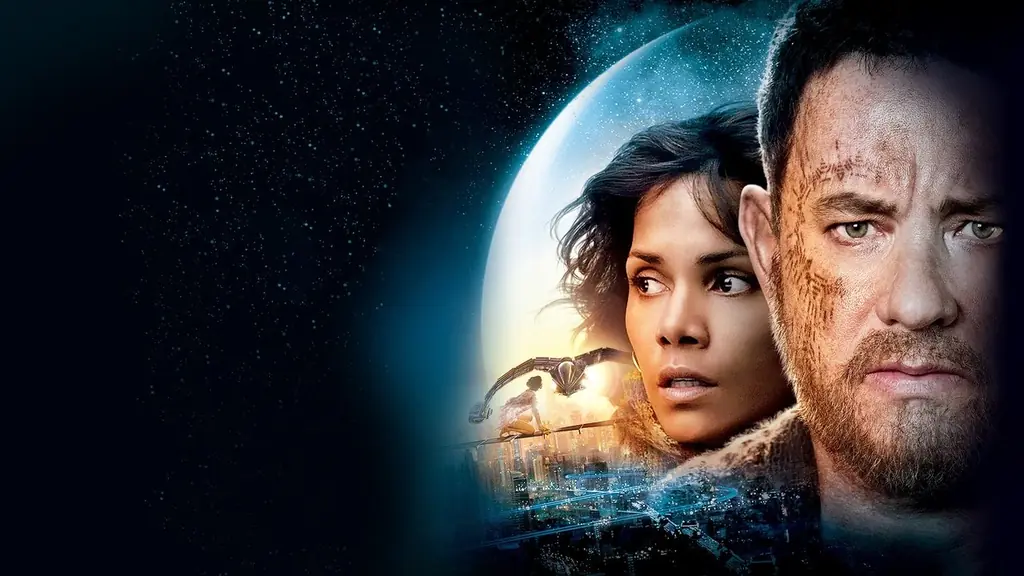
At its core, Cloud Atlas explores the intricate web of human connection, demonstrating how every deed, big or small, ripples across generations. The film masterfully interweaves its disparate timelines, often cutting between them during moments of high tension or escape, creating a surprisingly uniform tone despite the vast differences in setting and genre. This impressive feat keeps viewers engaged, even as the narrative jumps from one century to the next. The acting, particularly from Tom Hanks and Halle Berry, who portray multiple characters across these eras, is a standout, showcasing their versatility and depth. Tom Hanks alone takes on several distinct roles, reminding audiences of his enduring talent.
Cameos, Nostalgia & Narrative Stakes
The film's central conceit—using the same actors to represent reincarnated souls or interconnected individuals—is both ambitious and, at times, problematic. While the idea of a birthmark signifying a continuous soul across different lives is intriguing, the execution can be confusing. When Halle Berry has the mark in one timeline, but another character also has it in a different era where Halle Berry is also present, the logic becomes muddled. Furthermore, the extensive use of makeup to transform actors, sometimes across racial lines, often falls flat. Hugo Weaving's portrayal of an Asian character, for instance, comes across as a white actor in heavy, unconvincing prosthetics, detracting from the immersion. The film's nearly three-hour runtime also raises questions about narrative efficiency; some moments feel indulgent or irrelevant, failing to clearly feed into the overarching themes of interconnectedness.
Tone, Direction & Creative Freedom
Cloud Atlas is undeniably a bold cinematic endeavor. Its ambition to tell such a vast, multi-layered story is commendable, but this daring approach isn't without its drawbacks. The rapid-fire editing, jumping between timelines for mere minutes or even seconds, can leave audiences feeling "cinematically dizzy," struggling to keep pace. Yet, the directors maintain a remarkable consistency in tone, ensuring that a dramatic escape in one era mirrors a similar struggle in another, preventing tonal whiplash. This balancing act, while not always smooth, showcases a clear creative vision, suggesting the filmmakers were given significant freedom to pursue their epic, albeit sometimes messy, narrative.
The Final Verdict
For those willing to don their "thinking cap" and commit to its considerable runtime, Cloud Atlas offers a uniquely engaging experience. It's a film that demands attention, rewarding viewers who piece together its intricate connections and ponder its philosophical underpinnings. While it occasionally stumbles with uneven pacing and questionable makeup choices, and certainly isn't the "modern art masterpiece" some hoped for, it remains a compelling and often awesome journey. It's a testament to ambitious storytelling that, despite its flaws, manages to entertain and provoke thought without needing any artificial enhancement.
What Worked
- Engaging and ambitious multi-century narrative
- Strong performances, especially from the lead cast in multiple roles
- Impressive tonal consistency across diverse storylines
- Thought-provoking exploration of interconnectedness and reincarnation
- Demands and rewards viewer attention
What Didn't Work
- Nearly three-hour runtime feels indulgent at times
- Uneven pacing can lead to "cinematic dizziness"
- Questionable and unconvincing makeup choices for some characters
- Some narrative moments feel irrelevant to the overarching plot