Introduction
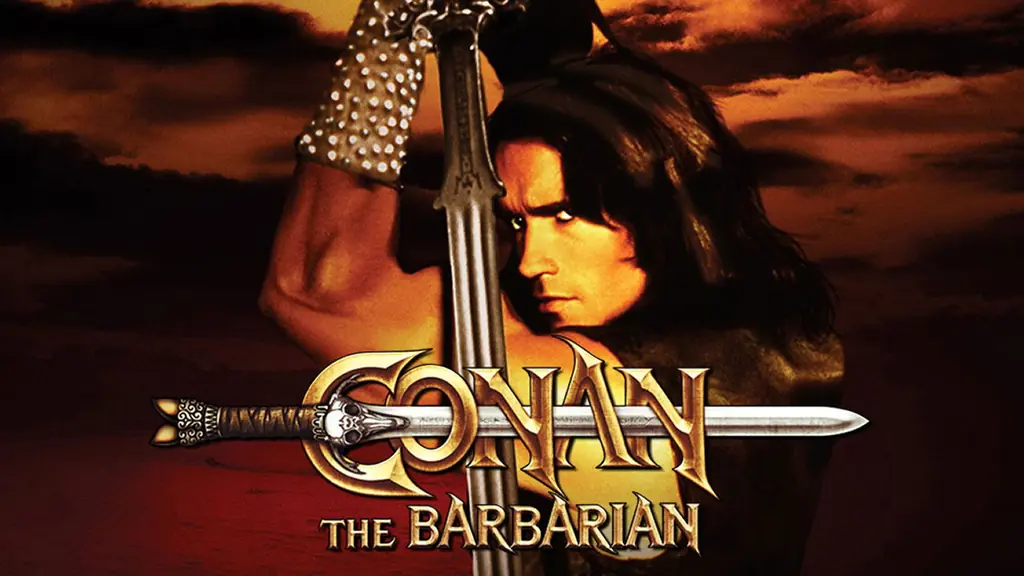
Anticipation for a new fantasy epic can be palpable, especially when it promises a legendary hero. Conan the Barbarian arrives with the straightforward premise of a fearsome warrior battling an evil overlord. Yet, what unfolds on screen is less a coherent saga and more a perplexing journey through a narrative labyrinth, leaving audiences scratching their heads rather than cheering.
The Lead Dynamic & The Action
While Arnold Schwarzenegger embodies Conan, the film struggles to convince audiences he's the titular barbarian. The character is described as "all right" and "likable," but lacks the raw, untamed ferocity one might expect, especially when compared to more convincing portrayals of barbarians. The action sequences, rather than building tension, often feel like isolated vignettes, disconnected from a larger, cohesive flow. One moment, characters are in a town, the next, they're inexplicably captive, then on a boat, then in the woods – a jarring sequence that leaves little room for immersion or understanding of how events connect.

Cameos, Nostalgia & Narrative Stakes
The narrative of Conan the Barbarian is perhaps its most bewildering aspect. It plays out less like a carefully crafted epic and more like a "shitty video game movie that never happened," specifically drawing comparisons to a misguided Zelda adaptation. The plot is "all over the place," with scenes failing to logically lead into one another. The villain, initially an ambitious nobody, becomes a powerful warlord, seeking a "pure chick" for his nefarious schemes. This damsel, despite being the "most wanted woman on earth" by the bad guys, consistently makes baffling decisions, such as sneaking out of a cabin to run into the woods, inevitably leading to her capture. It's a character arc so illogical, it makes one question the very foundations of the story.
Tone, Direction & Creative Freedom
The direction by John Milius seems to grapple with maintaining a consistent tone and narrative thread. The film's structure is likened to a game of "smoke and fire with cards," where story elements are haphazardly thrown together. This is particularly evident in the climactic battle, where earthquakes appear and disappear with no discernible pattern, creating a sense of narrative whiplash rather than epic grandeur. The overall impression is one of a film struggling to find its footing, resulting in a disjointed and often confusing experience.
The Final Verdict
Ultimately, Conan the Barbarian is a perplexing cinematic endeavor. Despite a straightforward premise, its execution is marred by a chaotic plot, inconsistent pacing, and characters whose actions defy logic. It's a film that, despite its potential, fails to deliver on its barbarian promise, leaving audiences with a disjointed and largely unfulfilling experience. For those seeking a coherent fantasy adventure, it's best to look elsewhere.
What Worked
- Straightforward initial premise of good vs. evil.
- [[person:1100|Arnold Schwarzenegger]] brings a certain likability to Conan.
- The actress playing the female lead is noted for her appeal.
What Didn't Work
- Extremely disjointed plot and pacing.
- Conan's portrayal as a barbarian is unconvincing.
- Illogical character decisions, especially from the female lead.
- Inconsistent special effects and narrative coherence in key scenes.