Introduction
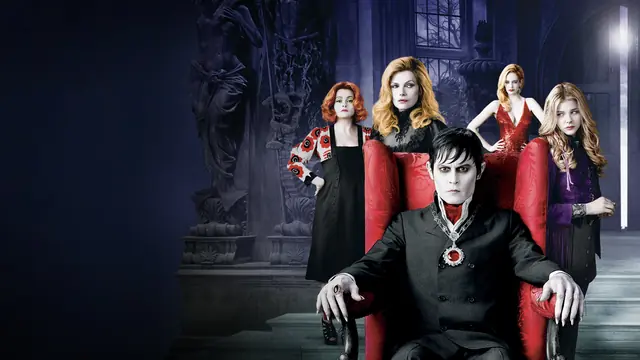
Another Tim Burton and Johnny Depp collaboration always sparks conversation, and Dark Shadows was no exception. Audiences braced themselves for the familiar eccentricities, perhaps even anticipating a "Jack Sparrow with a different coat of paint." Yet, what arrived was a peculiar beast, a film that promised gothic comedy but delivered a wildly inconsistent experience, leaving many wondering if the magic was still there.
The Lead Dynamic & The Action
Johnny Depp steps into the role of Barnabas, a vampire cursed by a witch and unearthed in the 1970s. To its credit, Depp avoids the easy trap of rehashing his iconic pirate persona. Instead, he crafts a character that is genuinely weird and eccentric, a refreshing departure even if it solidifies his penchant for playing offbeat roles. The humor often stems from Barnabas's 200-year-old sensibilities clashing with 1970s culture and technology, leading to genuinely funny moments of bewilderment. However, the film struggles with its comedic tone, occasionally veering into jarring territory. Scenes where Barnabas, supposedly a lovable vampire, slaughters people around a campfire feel out of place and a "bit much," disrupting the intended comedic flow. It's a tonal whiplash that leaves the audience questioning the film's identity.
Cameos, Nostalgia & Narrative Stakes
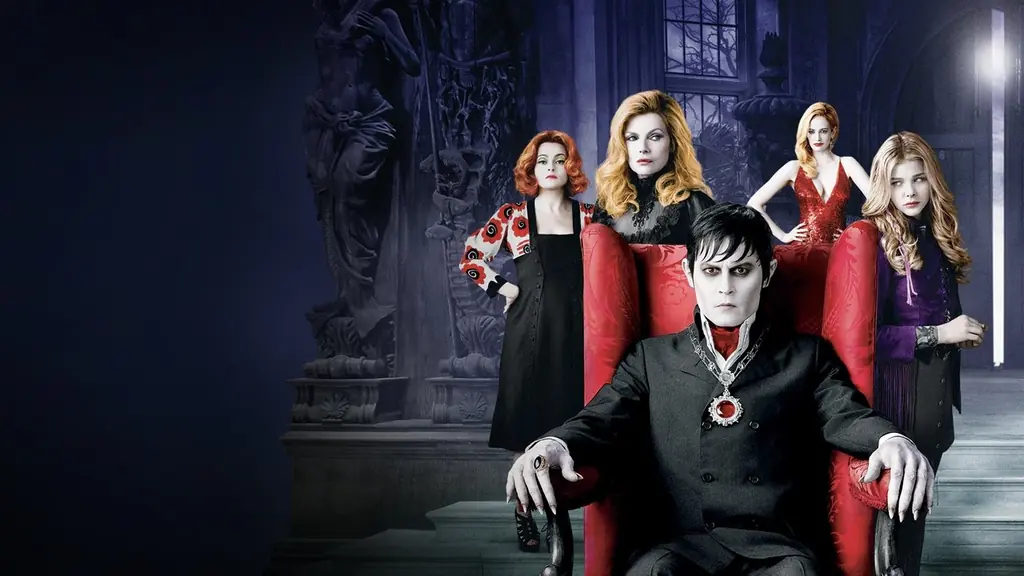
Beyond Depp, the ensemble cast delivers varied performances. Jackie Earle Haley shines as the perpetually drunk groundskeeper, a standout in a film that often feels adrift. Eva Green as the vengeful witch looks fantastic, but her performance occasionally borders on overacting, perhaps in an attempt to mask an accent. The film leans heavily on the fish-out-of-water premise, with Barnabas reacting to the "devil witchcraft" of modern conveniences. While initially amusing, this pop culture humor quickly wears thin. Without Johnny Depp's unique pull, the film risks becoming a "dopey, goofy Adams Family ripoff" with little to offer. His presence is the primary draw, highlighting a narrative that struggles to maintain consistent engagement or establish compelling stakes beyond his central character.
Tone, Direction & Creative Freedom
Tim Burton's signature style is undeniably present, but it feels more like an indulgence than a cohesive vision. The film often comes across as "weird and goofy and quirky and dark," a collection of Burtonesque elements rather than a unified story. It's as if the director is waving his hands, proclaiming, "Look what I can do!" The result is a film that oscillates wildly between enjoyable and utterly baffling. This inconsistency prevents Dark Shadows from achieving a sustained rhythm, leaving viewers with a fragmented experience that struggles to leave a lasting impression.
The Final Verdict
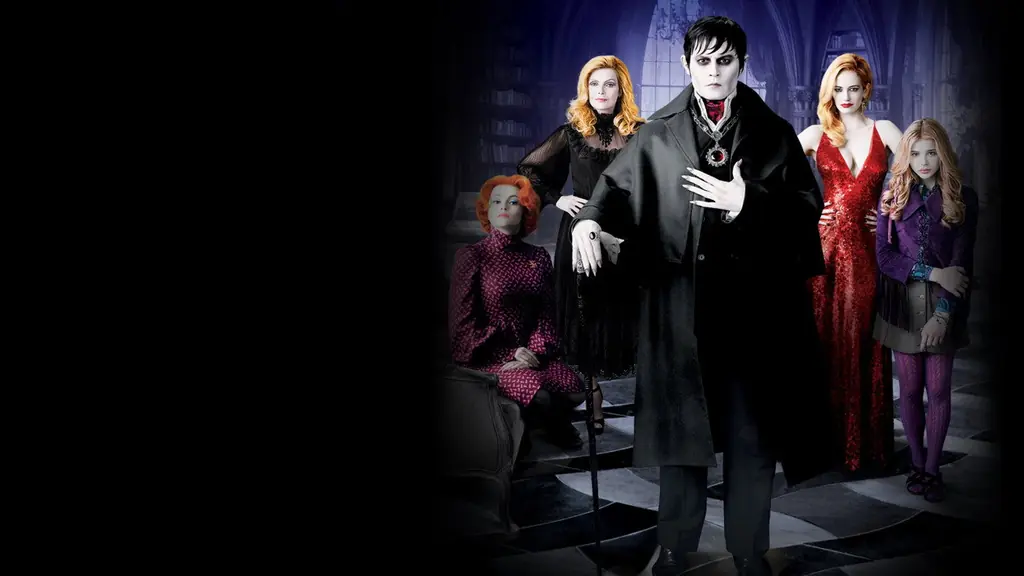
Dark Shadows is a film of stark contrasts: moments of genuine enjoyment are quickly followed by scenes that feel completely stupid. While Johnny Depp delivers a performance distinct from his more famous roles, and the 1970s culture clash provides some initial laughs, the film ultimately struggles with its identity and pacing. It's an "okay" watch, but one that is easily forgotten, fading from memory almost as soon as the credits roll. For fans of Tim Burton and Johnny Depp's more peculiar collaborations, there might be fleeting enjoyment, but don't expect a memorable addition to their filmographies.
What Worked
- Johnny Depp delivers a unique, non-Jack Sparrow performance
- Initial pop culture humor from 1970s culture shock is amusing
- Jackie Earle Haley provides a standout supporting role
- Some genuinely enjoyable and funny scenes
- Visually striking gothic aesthetic
What Didn't Work
- Inconsistent tone shifts from comedy to jarring violence
- Narrative often feels stupid or poorly conceived
- Eva Green's performance occasionally borders on overacting
- Ultimately forgettable despite its eccentricities
- Tim Burton's direction feels indulgent and unfocused