Introduction
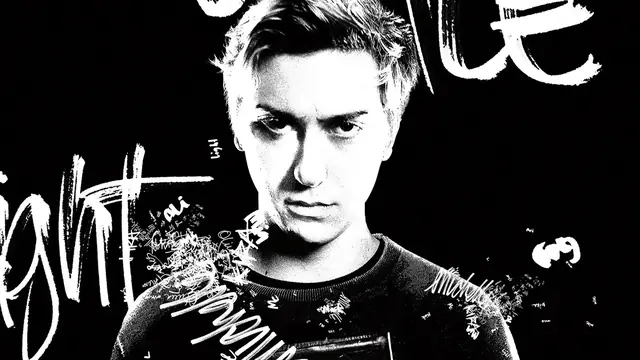
The anticipation for Death Note was undeniable, a live-action adaptation of a beloved anime arriving directly on Netflix. For many, the question wasn't just if it would deliver, but how it would translate its intricate premise to the screen. For those unfamiliar with the source material, the film stands on its own as a dark fantasy thriller: a high school student stumbling upon a supernatural notebook, the Death Note, capable of killing anyone whose name is written within its pages. With the chilling voice of Willem Dafoe as the demon Ryuk guiding him, the protagonist decides to cleanse the world of criminals, setting the stage for a global game of cat and mouse that promises high stakes and moral quandaries.
The Lead Dynamic & The Action
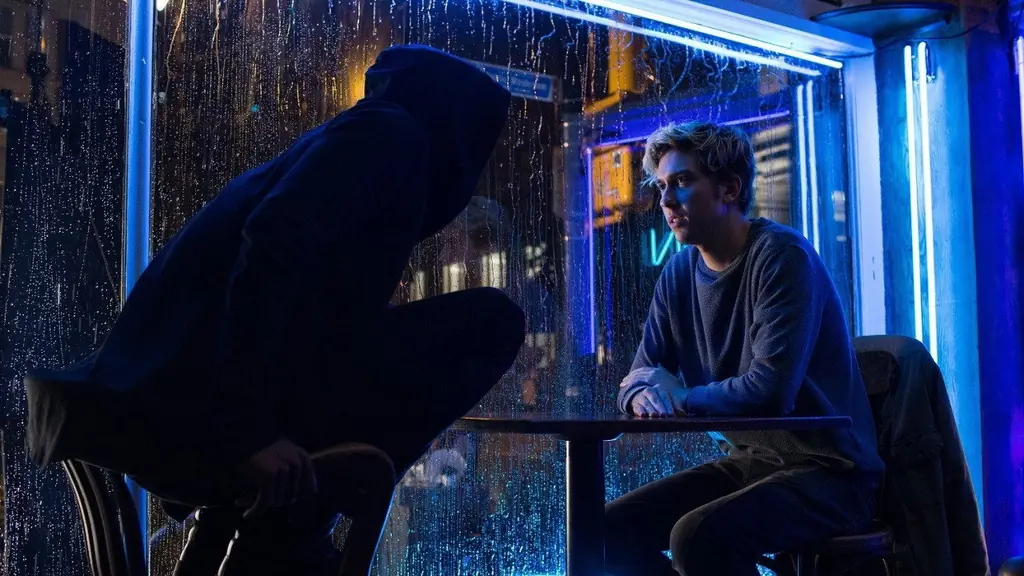
From its opening moments, Death Note hints at a "Final Destination gorefest," promising a visceral ride that could have been truly spectacular. However, the film quickly shifts gears, and not always for the better. While the concept of a demon whispering in a human's ear is inherently fascinating, the dynamic between the lead, played by Nat Wolff, and the enigmatic Ryuk feels surprisingly underdeveloped. Wolff's performance as the morally conflicted Light Turner often falls flat, lacking the gravitas and intensity needed for such a dark and complex role. The romantic subplot with Margaret Qualley as Mia Sutton also fails to ignite, feeling more like a narrative obligation than a genuine, compelling connection. This leaves the core relationships—the human-demon pact and the burgeoning romance—feeling surprisingly inert, missing opportunities for deeper emotional or psychological exploration.
Cameos, Nostalgia & Narrative Stakes
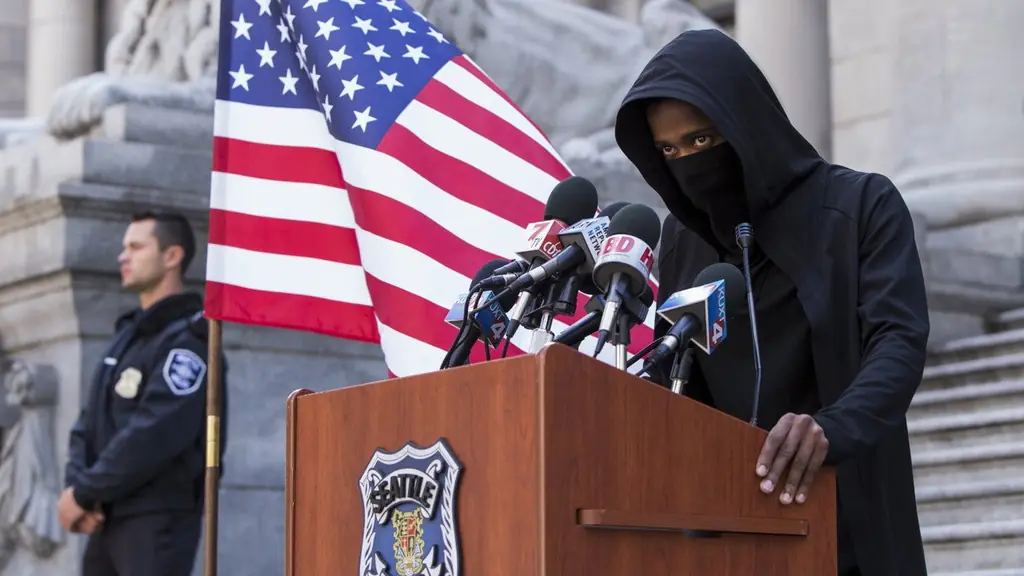
The film's middle section, focusing on the intense investigation led by the brilliant, albeit eccentric, detective L (LaKeith Stanfield), is where Death Note truly shines, or at least, could have. There's a clear ambition here to craft a "dark cult hit," exploring the moral ambiguities of vigilante justice and the psychological toll it takes. Moments where characters debate the ethics of killing based on mere "internet rumors" offer tantalizing glimpses of the intelligence and philosophical depth the film could have sustained throughout its runtime. However, the narrative often takes frustrating shortcuts. L's deductions, while ultimately correct, feel unearned, as if he simply "got lucky" rather than meticulously piecing together clues through a compelling process of elimination. The film breezes past crucial character development, particularly for L, leaving audiences wanting more insight into his enigmatic past and motivations. The biggest misstep, however, comes in the final act, which abruptly veers into "young adult" drama, sacrificing the film's initial dark tone for a more conventional, and ultimately less satisfying, conclusion. The decision to keep Light in high school also feels arbitrary, adding little to the plot and actively detracting from the mature themes the story attempts to tackle.
Tone, Direction & Creative Freedom
Director Adam Wingard attempts to navigate a complex narrative, but the film is plagued by jarring tonal shifts that undermine its overall impact. What begins as a gritty, supernatural thriller struggles to maintain its identity, ultimately caving to a more palatable, youth-oriented ending that feels at odds with its darker premise. This inconsistency prevents the film from becoming a truly thought-provoking or cohesive piece of cinema. While it manages to be more engaging than some other anime adaptations, like "Ghost in the Shell," Death Note ultimately feels like a missed opportunity. It possesses an intriguing premise and a few compelling ideas, but its execution is hampered by a desire to condense a rich, sprawling story into a "short-ish" runtime, leading to underdeveloped characters, rushed plot points, and a diluted emotional and thematic impact. The potential for a truly dark and intelligent thriller is evident, but never fully realized.
The Final Verdict
Despite its narrative stumbles and uneven performances, Death Note remains an entertaining watch, especially for those seeking a dark fantasy with a unique hook. It's a film that offers a "good time" if approached with an open mind, though perhaps best enjoyed without overthinking its logical leaps or jarring tonal inconsistencies. For a direct-to-Netflix offering, it delivers enough supernatural thrills and moral dilemmas to warrant a viewing, even if it doesn't quite live up to its full potential.
What Worked
- Intriguing and thought-provoking premise.
- [[person:5293|Willem Dafoe]]'s chilling voice work as Ryuk.
- Initial "Final Destination" style gore and dark tone.
- The compelling cat-and-mouse dynamic between Light and L.
- Moments of intelligent moral debate.
What Didn't Work
- [[person:232006|Nat Wolff]]'s lead performance often falls flat.
- Underdeveloped romantic subplot and demon-human dynamic.
- L's deductions feel unearned and rushed.
- Jarring tonal shifts, especially the "young adult" ending.



