
Introduction
The third main installment in the beloved animated franchise, Despicable Me 3 arrived with the usual fanfare, promising more mischievous Minions, Gru's evolving family dynamics, and a fresh villain to challenge the reformed super-dad. Audiences were eager to see if the magic could be recaptured, or if the series would fall victim to the common sequel slump. The film, directed by Pierre Coffin, alongside Eric Guillon and Kyle Balda, certainly packs a lot into its runtime, perhaps even too much, leaving a mixed bag of chuckles and missed opportunities.
From the outset, the film throws a multitude of plot threads at the audience. Gru, voiced by the inimitable Steve Carell, and his wife Lucy, brought to life by Kristen Wiig, find themselves jobless after failing to capture the latest supervillain. This sets the stage for a whirlwind of events: the discovery of Gru's long-lost twin brother, Dru, the Minions landing themselves in prison, and the persistent threat of the 80s-obsessed antagonist, Balthazar Bratt. It's a setup that promises chaos and comedy, but the execution often feels like a juggling act where some balls inevitably drop.
The Lead Dynamic & The Action
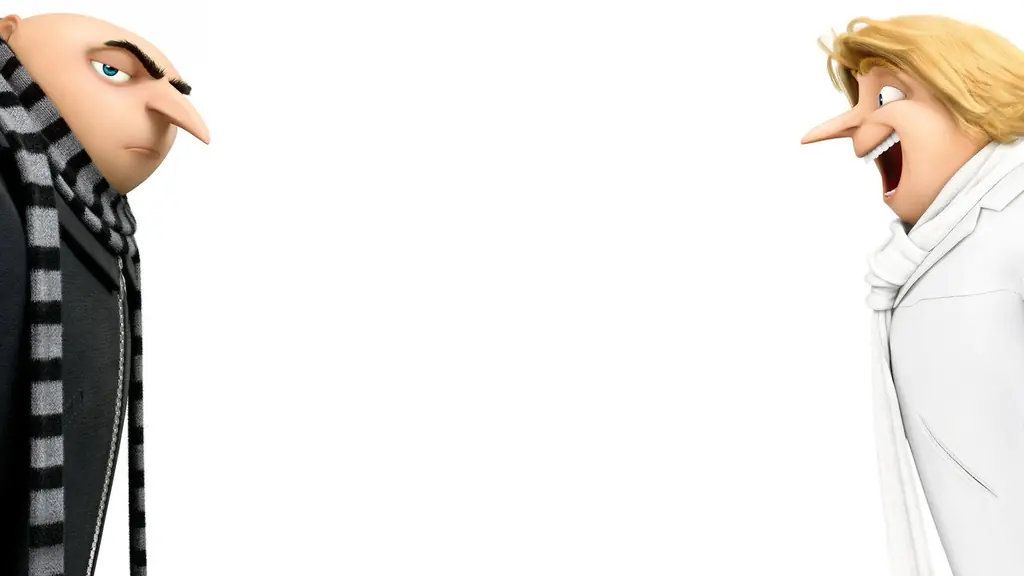
The heart of the Despicable Me franchise has always been Gru, and in this outing, the introduction of his twin brother, Dru (also voiced by Steve Carell), offers a compelling new dynamic. The idea of Gru meeting a flamboyant, successful, and villain-wannabe twin is ripe for comedic and emotional exploration. While the film certainly has "some fun" with this premise, it never truly delves into the deeper emotional territory one might expect. The potential for a meaningful conversation between two brothers, one who felt like a disappointment to his mother and the other to his father, is hinted at but ultimately sidestepped. This leaves the twin dynamic feeling somewhat superficial, a missed chance for genuine character development.
Where the film truly shines, however, is with its villain, Balthazar Bratt, voiced by the legendary Trey Parker. Bratt is an absolute standout, a character who is "pretty much an 80s cartoon personified in human form." His physical comedy, from moonwalking across water to his signature dance moves set to Michael Jackson, is consistently hilarious. Bratt is an "abomination" of the 80s, a perfectly crafted satire that provides some of the film's most genuinely entertaining moments. Every scene featuring Bratt is a win, showcasing a villain who is both menacing and laugh-out-loud funny. His presence alone elevates the film whenever he's on screen.
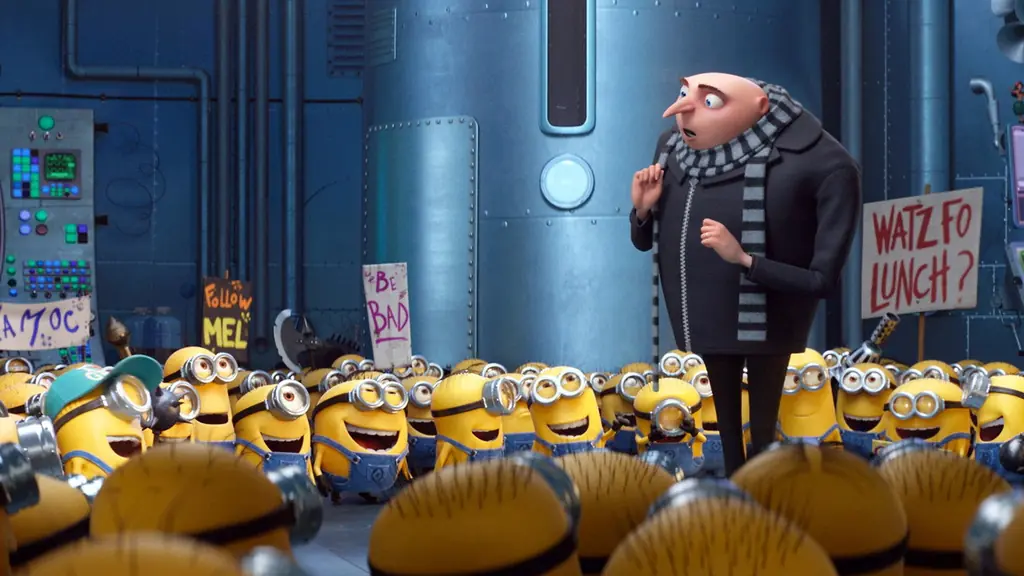
Beyond Bratt, the Minions, voiced by Pierre Coffin, deliver their usual brand of slapstick. Their subplot, which sees them ending up in prison and essentially running the joint, provides some of the film's most "chuckleworthy parts." These sequences are a testament to the Minions' enduring appeal, offering pure, unadulterated comedic relief that works well in isolation.
Cameos, Nostalgia & Narrative Stakes
While Balthazar Bratt is a highlight, the film's biggest misstep is its inability to keep him at the forefront. Despite being an incredibly entertaining antagonist, Bratt "kind of got pushed to the background" as the narrative attempts to juggle too many elements. The core of the Despicable Me movies, according to the film's own internal logic, is "about family," not just heroes and villains. This focus, while understandable for the franchise, unfortunately dilutes the impact of its strongest character.
The narrative suffers from an overabundance of subplots. Gru and Dru's brotherly bonding, Lucy's attempts to be a good mother, the girls' quest for a unicorn (featuring Miranda Cosgrove as Margo and Dana Gaier Ellis as Edith), and the Minions' prison escapades all vie for screen time. This "tries to do so much" approach means that "nothing can really shine." The film introduces interesting concepts, like the twin brother dynamic, but then fails to fully explore them, moving on too quickly to the next plot point. There are "missed opportunities" everywhere, particularly in the emotional depth that could have been mined from Gru and Dru's shared past.
Tone, Direction & Creative Freedom
The direction, co-helmed by Pierre Coffin, Eric Guillon, and Kyle Balda, maintains the franchise's signature vibrant animation and fast pace. However, the film's tone often feels disjointed due to its sprawling narrative. It aims for broad family appeal, and in that, it largely succeeds as a "pacifier for your kids" or "fine for family night out." Yet, it lacks the focused storytelling that makes a truly memorable animated feature. The reviewer notes that while it's "better than Cars 3," it doesn't quite hit the mark of animated films from their own childhood that had "a point and purpose to them."
The creative freedom seems to have been channeled into quantity over quality of plotlines. Instead of allowing one or two strong ideas to fully develop, the film opts for a scattershot approach, hoping that sheer volume will compensate for a lack of depth. This results in a viewing experience that, while occasionally funny, often leaves the audience feeling "bored" and wishing for more substance. The film is "cute for families," but that doesn't automatically make it "good."
The Final Verdict
Despicable Me 3 is a film that delivers intermittent laughs, primarily thanks to its brilliantly conceived 80s villain, Balthazar Bratt, and the always-reliable Minions. However, its ambition to cram too many storylines into one package ultimately dilutes its impact. The promising dynamic between Gru and his twin brother, Dru, is underdeveloped, and the film consistently opts for surface-level gags over genuine emotional resonance. While it serves its purpose as a family-friendly distraction, offering "chuckleworthy parts" that are "few and far between," it never quite achieves the focused brilliance that could have made it a standout. It's a perfectly "fine" movie for a casual family viewing, but don't expect it to leave a lasting impression beyond a few memorable moonwalks.
What Worked
- Balthazar Bratt is a hilarious and well-executed 80s villain
- Minions' prison subplot provides genuine laughs
- Strong physical comedy and visual gags
- Effective satire of 80s culture
- Generally entertaining for young children
What Didn't Work
- Too many underdeveloped subplots dilute the main story
- Gru and Dru's family dynamic falls flat emotionally
- Balthazar Bratt is underutilized and pushed to the background
- Lacks focus and missed opportunities for deeper storytelling



