
Introduction: A City on Edge, A Story Unveiled
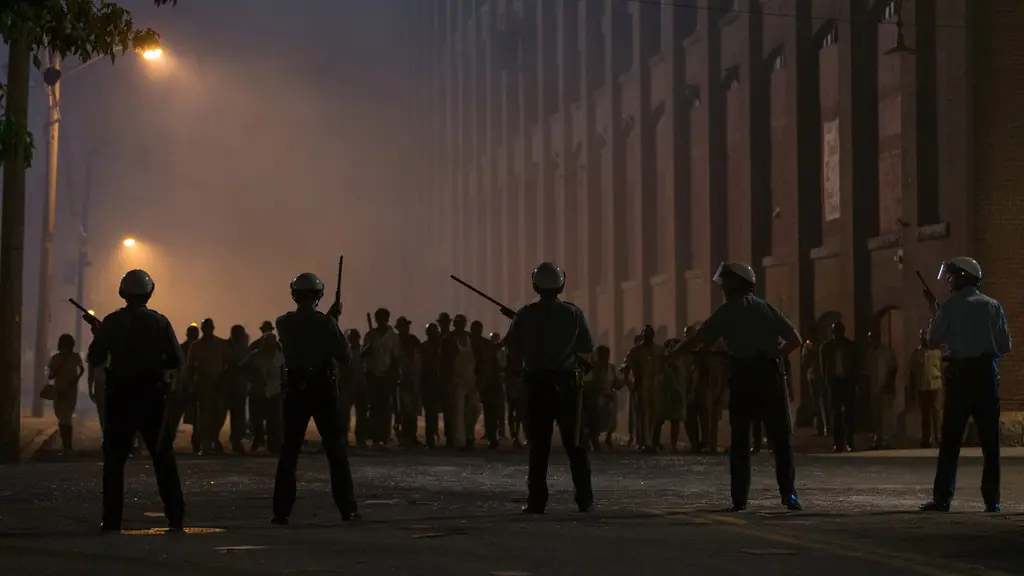
The name Detroit conjures images of a city in turmoil, a flashpoint of racial tension and civil unrest. Yet, this film, while set against the backdrop of the 1967 Detroit riots, isn't the sprawling historical epic some might anticipate. Instead, Detroit zeroes in with laser-like precision on a single, harrowing incident: the events at the Algiers Motel. It's a focused, purposeful narrative that, despite its broad title, delivers an intimate and utterly gut-wrenching account of injustice. From the outset, the film establishes a palpable sense of unease, drawing viewers into a world where the guitar strings of racial tension are taut, ready to snap.
The Unbearable Tension & Unforgettable Performances
What Detroit excels at is crafting an almost unbearable level of tension. This isn't just a movie; it's a tension grenade, designed to keep your adrenaline pumping and your heart racing. Viewers will feel as though they are right there, pressed against that wall, helpless as events unfold. The film's power lies in its ability to make you feel that profound helplessness, mirroring the terror experienced by those on screen.
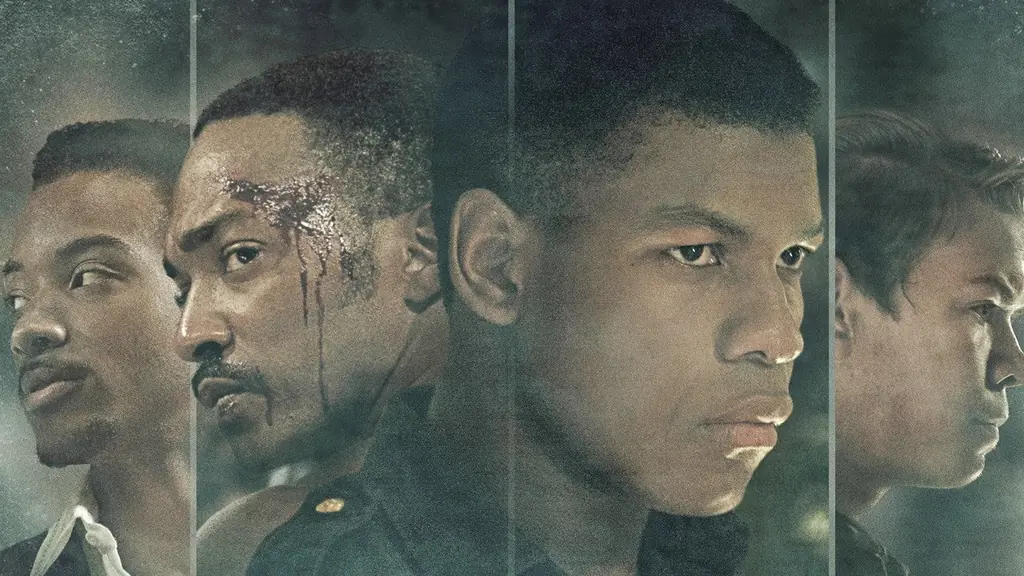
The performances are central to this visceral experience. Will Poulter delivers a truly chilling portrayal of the lead racist officer, a character so detestable he's genuinely scary. Poulter, known for his earlier roles, completely transforms, bringing an intensity that is both captivating and repulsive. On the other side of the spectrum, John Boyega shines as the security guard, an optimistic soul whose naive belief in justice is slowly eroded by the unfolding horror. Boyega's inherent charm and grounded presence provide a crucial counterpoint to the escalating brutality, making his character's journey all the more impactful. The ensemble cast, across the board, delivers powerful, well-constructed performances that anchor the film's difficult narrative.
Narrative Choices and Historical Responsibility
While Detroit is a true story, it acknowledges the inherent dramatization in reconstructing events 50 years old. The filmmakers have clearly taken their responsibility seriously, aiming to reconstruct the events at the Algiers Motel with as much care as possible. However, not all narrative choices land perfectly. The film's opening, an animated sequence intended to provide historical context for the racial tensions, feels oddly out of place and somewhat sloppy. It's an attempt to give a broad backstory that ultimately feels unnecessary, especially once the film narrows its focus to the motel. A simple text crawl might have sufficed, allowing the narrative to dive straight into the core events without this jarring preamble. Furthermore, a minor plot point involving the lead officer's superior questioning his actions early on feels like a missed opportunity, as it's never fully explored or brought back into play for credibility later in the film.
Direction with a Conscience
At the helm, Kathryn Bigelow directs with a clear sense of purpose and responsibility. Her handling of such sensitive and brutal subject matter is commendable. She doesn't shy away from the ugliness of the events, yet she never sensationalizes them. Instead, Bigelow crafts a film that is uncomfortable by design, forcing the audience to confront the harsh realities of the past. This is a movie that demands to be seen, not necessarily for entertainment in the traditional sense, but for its vital historical lesson and its unflinching portrayal of human cruelty and resilience. It's a testament to Bigelow's skill that she can maintain such a high level of tension and emotional impact throughout, making the audience feel every moment of the characters' ordeal.
The Final Verdict: A Necessary, Unflinching Watch
Detroit is a powerful, albeit difficult, cinematic experience. It's a film that will leave you shaken, disturbed, and profoundly moved. While its title might suggest a broader scope, its strength lies in its intense focus on a single, horrific incident, brought to life by exceptional performances and Kathryn Bigelow's masterful direction. It's not a movie with high replay value – the emotional toll is simply too great for casual rewatches – but it is absolutely worth seeing. This is a film that educates, provokes, and reminds us of the enduring importance of confronting uncomfortable truths. It's a challenging watch, but an undeniably important one.
What Worked
- Unrelenting tension that keeps viewers on edge.
- Powerful performances, especially from [[person:93491|Will Poulter]] and [[person:236695|John Boyega]].
- [[person:14392|Kathryn Bigelow]]'s responsible and careful direction.
- Effectively conveys a sense of helplessness and historical injustice.
- A vital, uncomfortable history lesson.
What Didn't Work
- Misleading title that doesn't fully represent the film's narrow focus.
- Clunky and unnecessary animated historical introduction.
- Low replay value due to the intensely difficult subject matter.
- Some narrative threads, like the officer's superior, feel unresolved.



