Introduction
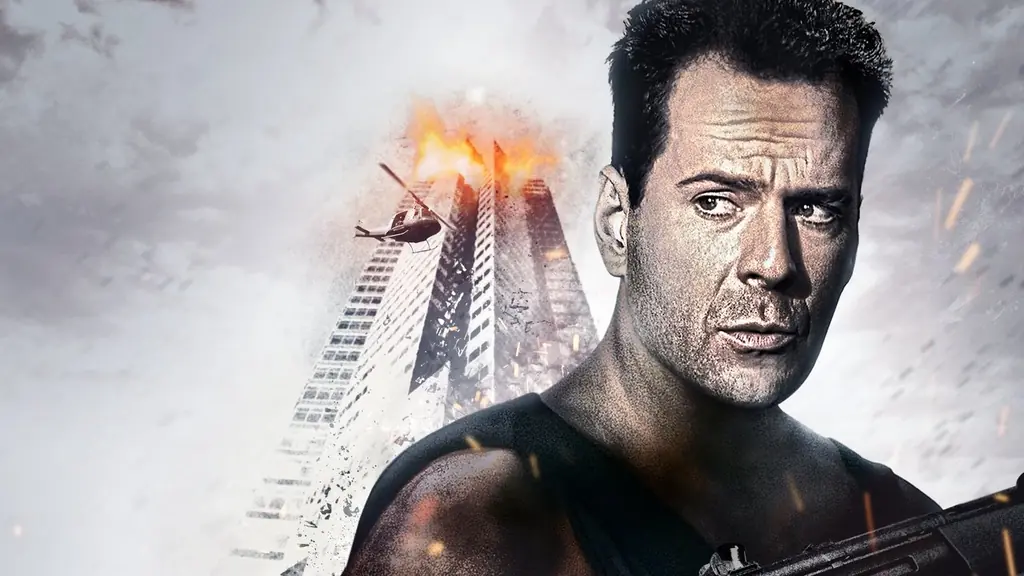
Before every new action flick tries to declare itself "the next Die Hard", it's worth revisiting the original, the one that still sets the bar. Die Hard isn't just a movie; it's a phenomenon, a blueprint for countless imitators, and a film that, even decades later, remains as fresh and exhilarating as ever. For those who somehow missed it, the premise is simple: John McClane, a New York cop, visits Los Angeles for Christmas Eve, hoping to reconcile with his estranged wife at her office party in the Nakatomi Plaza. What he finds instead is a building seized by a sophisticated group of terrorists, led by the impeccably sinister Hans Gruber. What the bad guys didn't count on, however, was a lone, resourceful cop being in the wrong place at the right time.
The Lead Dynamic & The Action
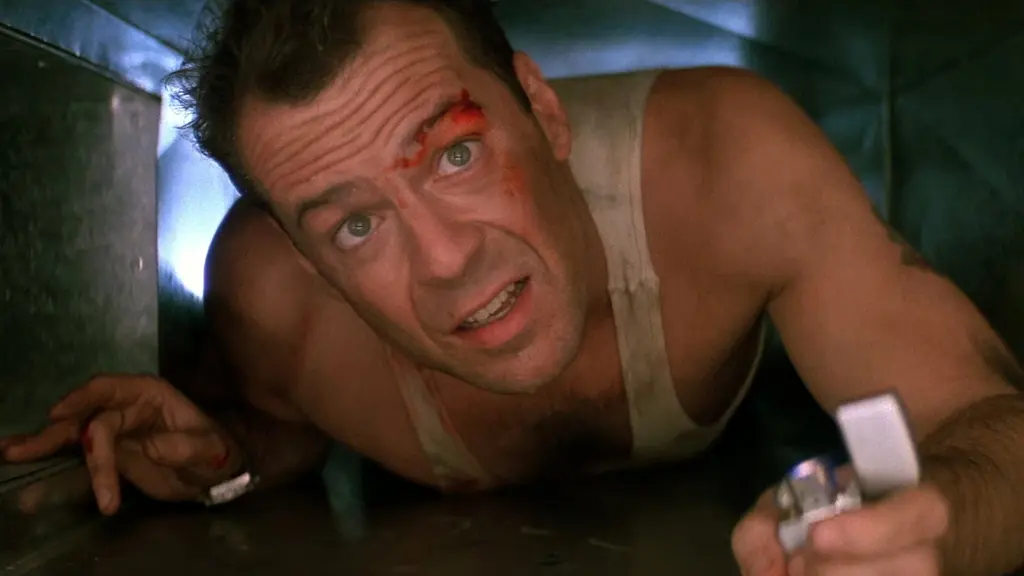
What truly elevates Die Hard above its peers is the sheer relatability of its hero, John McClane, brought to life by Bruce Willis. Unlike the muscle-bound, invincible action stars of the era, McClane is human, vulnerable, and utterly believable. He bleeds, he struggles, and he curses, making audiences feel like they could be right there with him, navigating the perilous skyscraper. This isn't just a hero; it's our hero. The film masterfully builds tension, showcasing McClane's ingenuity as he wages a one-man war against the invaders.
Beyond McClane, the film introduces an unexpected, yet brilliant, dynamic: the unseen radio connection between McClane and LAPD Sergeant Al Powell, played by Reginald VelJohnson. This "cop on cop" chemistry, forged purely through dialogue, is a highlight, offering moments of genuine support and humor that are rarely matched in cinema. The action itself is relentless and inventive, a true product of the "golden age of action cinema" where resourcefulness trumped CGI. Every sequence, from McClane's daring escapes to his brutal confrontations, feels earned and impactful.
Cameos, Nostalgia & Narrative Stakes
While Bruce Willis undeniably carries the film, the supporting cast is nothing short of phenomenal, each character perfectly cast to either aid, hinder, or infuriate McClane. From the obnoxious news reporter (played by William Atherton, known for his role in Ghostbusters) to the bumbling FBI agents, every role serves a purpose, adding layers to the chaotic narrative.
But the true standout is Alan Rickman as Hans Gruber. Rickman delivers a villain for the ages – intelligent, cultured, and utterly ruthless. His calm, almost bored demeanor, even when orchestrating mass murder, makes him chillingly effective. The face-to-face confrontation between McClane and Gruber is a masterclass in tension and dialogue, a scene so iconic that it inspired countless imitations. The film expertly balances its high-stakes plot with moments of dark humor, ensuring the audience is always engaged, never just passively watching.
Tone, Direction & Creative Freedom
Under the masterful direction of John McTiernan, Die Hard maintains a perfect balance of gritty realism and exhilarating action. The pacing is impeccable, rarely letting up, yet always allowing moments for character development and witty banter. While some might point to minor plot conveniences – like a certain police officer's initial dismissal of a body falling from a skyscraper – the film's sheer entertainment value allows for easy suspension of disbelief. It's a testament to the film's overall quality that such minor quibbles fade into the background. The film's tone is consistently engaging, proving that a truly "badass" movie doesn't need to be humorless or devoid of cleverness.
The Final Verdict
Die Hard isn't just a great action movie; it's the great action movie. It defined a genre, gave us a hero we could all root for, and cemented a catchphrase that echoes through cinematic history. From its unforgettable characters to its perfectly executed action, this film has everything you could want. It's funny, thrilling, and endlessly rewatchable. And yes, for the record, it absolutely counts as a Christmas movie. So, grab some eggnog, settle in, and witness why Die Hard remains awesometacular.
What Worked
- Bruce Willis's incredibly relatable and human hero
- Alan Rickman's iconic, intellectually menacing villain
- Exceptional, enduring action sequences
- Fantastic supporting cast, each playing their role perfectly
- Unique "cop on cop" radio chemistry
What Didn't Work
- A few minor plot points require suspension of disbelief
- Some supporting characters are intentionally annoying