Introduction
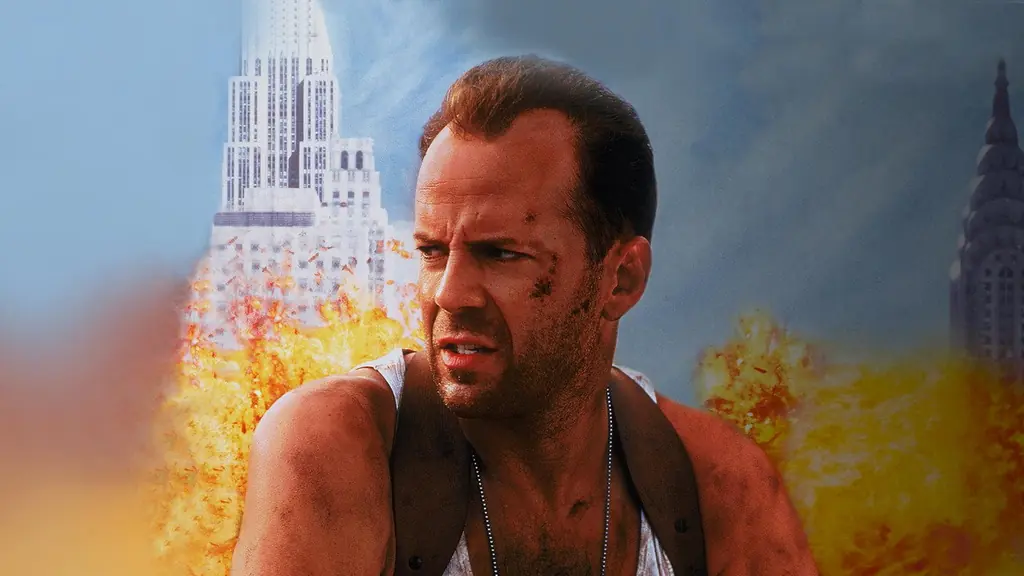
After the confined, albeit explosive, events of its predecessor, the anticipation for a true return to form for the Die Hard franchise was palpable. Die Hard: With a Vengeance doesn't just meet that expectation; it smashes it, throwing Bruce Willis's iconic John McClane into the sprawling, gritty chaos of New York City. This isn't just a bigger sequel; it's a smart, relentless, and utterly engaging one, directed by the very same visionary, John McTiernan, who helmed the original.
The Lead Dynamic & The Action
From the moment McClane is forced into a humiliating public spectacle in Harlem, it's clear this isn't business as usual. But the real game-changer arrives in the form of Samuel L. Jackson as Zeus Carver, an unlikely Samaritan thrust into McClane's deadly game. Their chemistry is electric, a rapid-fire exchange of sarcasm and exasperation that feels like a "black John McClane" meeting the original. Jackson, before he became the ubiquitous star we know today, delivers a performance that perfectly complements Willis, creating a dynamic duo that carries the film's breakneck pace. The action sequences are pure Die Hard: raw, brutal, and inventive. A standout moment sees McClane single-handedly clearing an elevator, culminating in a visceral, blood-splattering shot that reminds everyone this is indeed Die Hard with a vengeance.

Cameos, Nostalgia & Narrative Stakes
The mastermind behind the chaos is Jeremy Irons as Simon Gruber, the brother of the original film's iconic villain, Hans Gruber. This familial connection provides a compelling, personal vendetta against McClane, elevating the stakes beyond a simple robbery. Simon is a truly intelligent antagonist, constantly toying with McClane through a series of deadly riddles and elaborate traps across the city. While the film demands a certain suspension of disbelief—like the ease with which massive dump trucks infiltrate a federal treasury—it's all in service of a grand, thrilling scheme. The narrative expertly balances the nostalgia of the Gruber name with fresh, high-stakes puzzles that keep both McClane and the audience guessing.
Tone, Direction & Creative Freedom
John McTiernan's return to the director's chair is evident in the film's confident tone and relentless pacing. Unlike its immediate predecessor, which felt bigger but not necessarily better, Die Hard: With a Vengeance is both bigger and still great. It embraces the hardcore, no-holds-barred spirit of the original, pushing McClane to his physical and mental limits across an entire city. The film feels like a true Die Hard sequel, delivering the gritty realism and explosive set pieces fans crave, all while maintaining a sharp wit and a sense of genuine peril.
The Final Verdict
Die Hard: With a Vengeance is a phenomenal ride, a true return to form that delivers everything a Die Hard fan could want. While the ending feels a touch peculiar, almost as if the filmmakers initially intended for Simon Gruber to escape before a last-minute change of heart, it doesn't detract significantly from the sheer enjoyment. With its brilliant villain, explosive action, and the undeniable chemistry between Willis and Jackson, this film solidifies its place as the rightful third chapter in the Die Hard saga. It's a must-watch for anyone who loves their action loud, their heroes weary, and their villains deliciously cunning.
What Worked
- A true return to form for the Die Hard franchise
- Electrifying chemistry between Bruce Willis and Samuel L. Jackson
- Jeremy Irons delivers a brilliant, cunning villain
- Relentless, city-wide action and inventive set pieces
- Directed by original Die Hard visionary John McTiernan
What Didn't Work
- The ending feels somewhat tacked on and could have been more impactful
- Requires some suspension of disbelief for certain plot elements
- Not quite as good as the untouchable original Die Hard